Six inches. That's the exact difference between a gravity-fed watering line that flows and one that just sits there while three hens stare at you like you've personally wronged them. I spent an entire sticky afternoon in the run convinced I'd bought a broken reservoir before realizing the actual fix was that small and that dumb.
Quick disclosure before we get into it: some of the links below are affiliate links, and if you buy through them I earn a small commission at no extra cost to you. I only mention gear that's actually zip-tied to something on our five acres right now, not stuff pulled from a catalog. I'm not a plumber or an engineer — just someone who left an apartment in Portland for acreage and figured out water the hard way — so if you're touching your main lines, call an actual professional first.
The Weight Nobody Warns You About
Water is heavy in a way that doesn't register until you're the one hauling it, gallon by gallon, across five acres in the Douglas County foothills of southwestern Oregon. A gallon runs a little over eight pounds, and a flock this size goes through a lot of them every day — more once the Oregon sun actually decides to show up and mean it.
Chickens drink more than people expect, especially once a real heat spell hits, and a stagnant bowl sitting in the dirt had turned into a full-time chore I was actively starting to resent. Buckets twice a day, every day, was never going to hold up.
After the summer we accidentally ran our well pump dry, pumps lost all their appeal for me. I didn't want a motor, a switch, or one more thing that could fail while I was thirty minutes away buying feed. What I wanted was something as close to off-grid as a chicken watering line could get — no power, just height.
Gravity Doesn't Need a Permit or a Pump
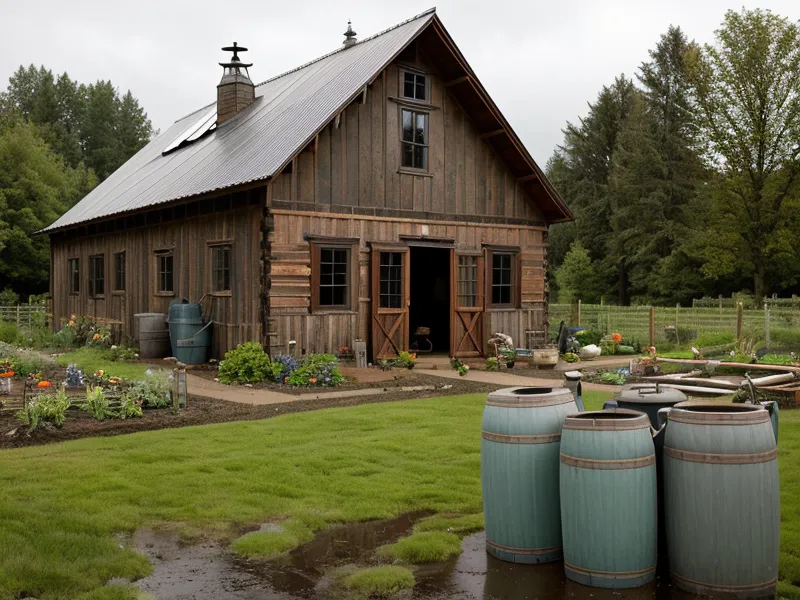
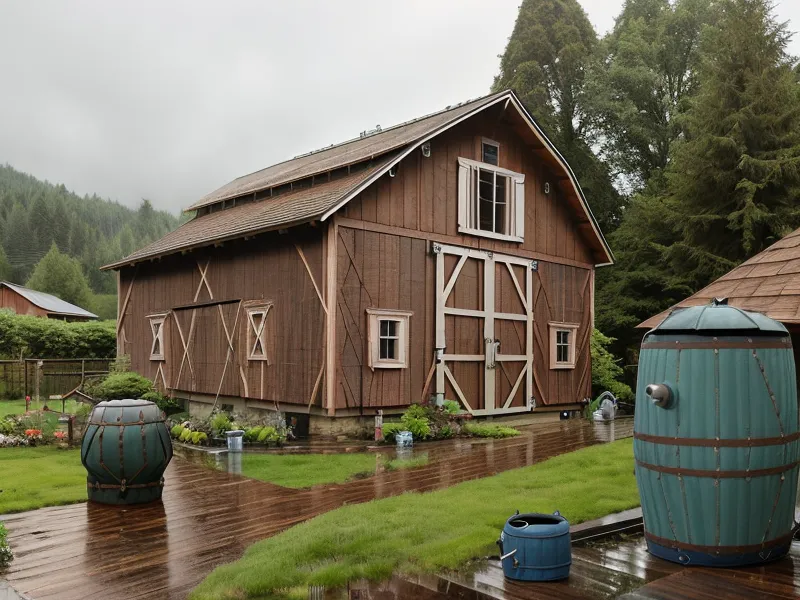
I ended up going with the /check/main, a reservoir built to feed gravity poultry nipples and cups with zero pump involved. My toolkit is a level, a hammer I use for jobs that hammer was never designed for, and an unreasonable number of heavy-duty zip ties currently holding half the garden fence together — so "easy to install" was non-negotiable. I mounted it to a cedar post near the coop, close enough to tie into the rain barrels that already catch runoff off the porch roof, which is its own long story for another day. If you've read about why narrow footprint water storage tanks work for tight spaces, you know I like things compact — but compact still gets heavy once it's full, so I reinforced the post with leftover concrete from a fence project that never got finished.
The Water Wouldn't Move
The first real heatwave landed in July. I turned the valve expecting the whole line to fill and got back NOTHING — not a drop, just a hollow little hiss. Ninety-something degrees, sweat in my eyes, a row of unimpressed hens watching me fail in real time. Who knew half a foot of height could ruin an entire afternoon? Turns out the reservoir was sitting almost dead level with the watering cups — the technical term for what I was missing is hydrostatic pressure, and I'll leave the full physics lecture to a smarter post than this one. Gravity needs a head start. Without elevation behind it, water just sits there being smug.
Bert Yamamoto, a retired irrigation engineer a few properties over, wandered by while I stood there glaring at the bracket like it owed me money. He asked maybe four questions — how high, how far, what size line — and never once told me the actual answer, which is somehow his entire method. The man keeps a notebook of every fix he's made on his own place going back years, so I'm fairly sure he already knew what was wrong. I raised the reservoir six inches, and that was it — the sharp click-clack of the poultry valves opening as the hens investigated the new setup, quite possibly the best sound I heard all summer.
This was basically a rerun of a lesson I'd already learned inside the house. Before we figured out what was actually wrong with our water pressure, I went through a whole phase of unscrewing and swapping every faucet aerator we owned, convinced that was the fix. It wasn't. Elliot Morozov, the plumber from the next town over, just raised an eyebrow at me when I told him — that's roughly his entire vocabulary, and it usually means I'm about to feel dumb. The actual problem lived inside the pressure tank the whole time, which is a story for another post. These days I can run the washer, the dishwasher, and the hose bib on the far side of the house all at once and watch the pressure just hold — no dip, no sputter — which still feels like a magic trick given what it took to get there.

Building a Shade Cover Out of Scrap Plywood
Nobody warns you that a gravity-fed reservoir sitting in full sun is basically a five-star spa for algae. Dark containers soak up heat, and still water left sitting turns from clear to swampy green faster than you'd think — I found that out the day I cracked the lid open in August and got hit with a smell like pond water that had given up on life. I built a lean-to cover out of scrap plywood, and the temperature inside the tank dropped noticeably within days. For bigger flocks, the /check/alt-1 handles heat a little better just because of its shape, but whatever reservoir you land on, shade isn't optional. I also started adding a splash of apple cider vinegar to keep the lines from growing the same black slime I used to fight in our old hard water filters.
What the Chickens Actually Taught Me
By week twelve, the system still hadn't skipped a beat — no clogged lines, no dry cups, nothing worth calling anyone about.
These days I can sit on the porch with a drink and watch the hens line up at the cups without a bucket in sight, without mud tracked in by the dogs, without checking well levels out of habit every hour. Weekends look different too. We've actually made it out to Silver Falls State Park with the dogs a few times this summer, which never used to happen when every Saturday started with hauling water instead.
Setting up a gravity-fed system was never about being an engineer. It was about being sick of buckets and willing to get it wrong a few times before gravity finally cooperated. If you're done with the bucket brigade too, the /check/main is still the easiest starting point I can point you to — your back and your flock will both notice the difference.