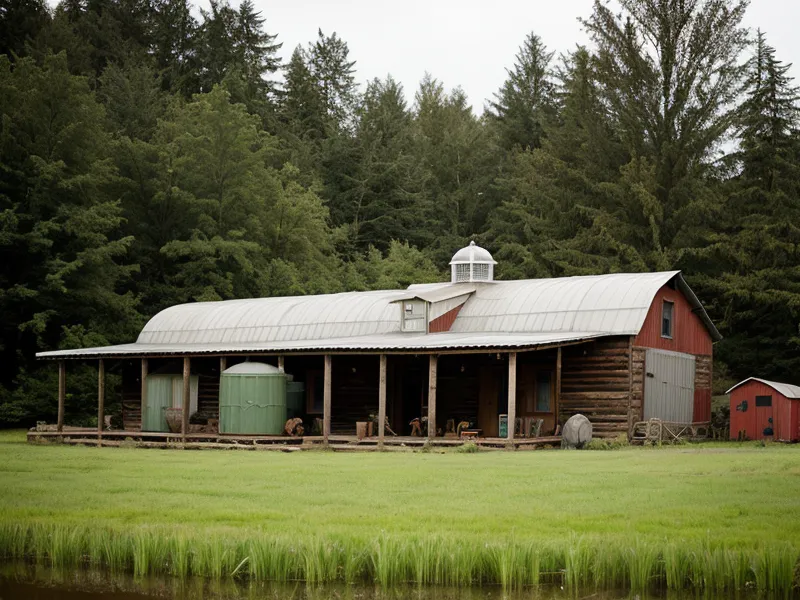
Our dog bowls were getting filled straight off the hose bib without anyone bothering to sniff the water first. The haze and the faint mineral bite had gone so unremarkable out here on our five acres in the Douglas County foothills of southwestern Oregon that nobody noticed anymore. That's usually the moment you realize hard well water treatment stopped being optional. Salt-free softener setups get dismissed as a gimmick by people who haven't tried one, and I get it — I dismissed them too, right up until the day I gave up on hauling salt bags for good.
Quick disclosure since we're talking gear: a few links below are affiliate links, and if you buy through them I earn a small commission at no extra cost to you. I only mention systems that are actually plumbed into our place, because recommending stuff I haven't lived with feels like a good way to ruin trust with the people who read this blog.
Ours came in at 10.5 grains per gallon on the hardness scale, which lands well past what most hard water classification charts call very hard. Every faucet had a chalky film that came back within a day no matter how hard I scrubbed, and the shower glass looked frosted no matter what I sprayed on it.
The Salt Softener Myth Every New Well Owner Hears
Ask any neighbor with a well and the answer is always the same: get a softener. Who actually wants to haul forty-pound salt bags into a cramped pump house every month for the rest of their life? Add a septic tank into the mix and the math gets worse — brine can throw off the bacterial balance a septic system depends on, and that's not a repair I want to learn how to do.
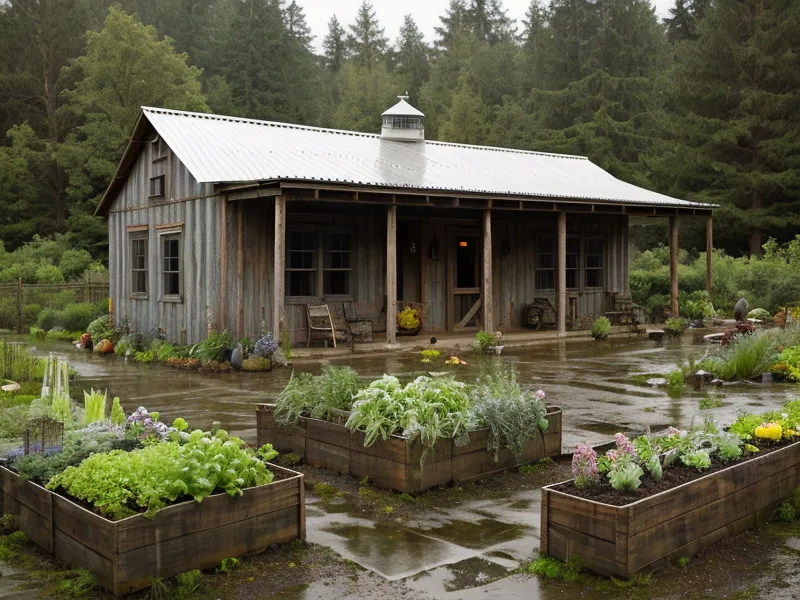
Then there's the garden problem, which is the part nobody warns you about. Standard ion exchange softeners swap calcium and magnesium for sodium, and sodium-heavy irrigation water makes soil clump instead of drain, so water sits on top instead of reaching the roots. My friend Priscilla, who's got her own twenty-acre spread out near Roseburg, told me her pipes are just as cursed as mine — salt bags and all — and her tomatoes still sulk every August. For heirloom tomatoes, that's a dealbreaker, not a minor inconvenience.
There was also that sharp, mineral tang in the kettle every morning — the kind of smell that makes you picture your pipes narrowing like clogged arteries, slowly. If odd smells are your issue instead of scale, I've covered why my well water smelled like eggs in its own post, because hardness and sulfur smell are two completely different animals.
Why Stripping Out Every Mineral Backfires
Somewhere in my research rabbit hole I nearly fell for the opposite mistake: stripping every mineral out entirely. Zero-mineral water sounds clean in theory. In practice, water with nothing left in it turns acidic and aggressive, and "hungry" water like that will eat copper plumbing from the inside out over time.
For a homestead water system, partial mineral stabilization beats total filtration every time. The calcium and magnesium aren't the enemy — they're actually good for you and for the garden — you just don't want them sticking to the inside of every pipe in the house. Physical treatment is closer to training the dogs than exterminating them: you're not getting rid of the minerals, you're just teaching them not to jump on the guests.
The Salt-Free Fix We Actually Plumbed In
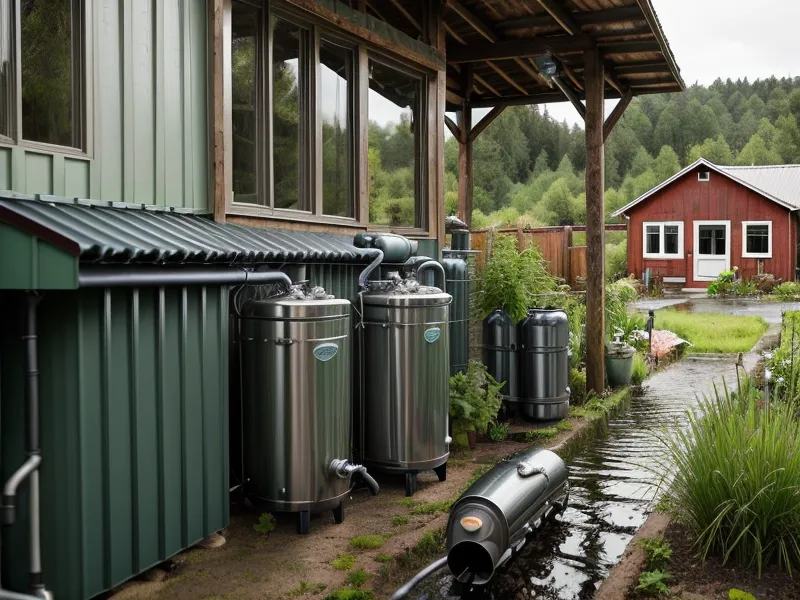
Right around the first hard freeze of the year, we plumbed in a system called David's Shield. It runs on Template Assisted Crystallization, which is a fancy way of saying it converts dissolved hardness minerals into microscopic crystals too inert to stick to anything — they just ride the water stream straight out the faucet.
Before the permanent line was finished, we ran a cheap garden hose as a temporary water line to bridge the gap — it split wide open in the first hard frost, which taught me more about freeze protection than any article ever did, and is a whole separate mess I won't get into here. The unit itself ties into the hand-drawn pipe map tacked up above the utility sink in the mudroom, which is the one part of this house that actually stays organized, and I still catch myself slapping wet work gloves down on the edge of that sink every time I go check the gauge, missing the ledge half the time.
The efficiency numbers are impressive on paper, something like 99% scale prevention, but honestly, the real win was simpler than any spec sheet: no more salt bags, no slimy soft-water feel in the shower, and no sodium going anywhere near the garden beds. We paired it with a good sediment filter too, since well grit chews through washing machine seals long before hardness ever does, and that's a sediment filtration problem, not a hardness one, and worth keeping separate in your head.
If your setup needs to handle more than just hardness, iron, sediment, the whole mess at once, friends of ours have had good luck with the SmartWaterBox for whole-house coverage. But for our specific chalky-water problem, the Shield was the right-sized fix, and I wrote up the messier details of the install in a full review of David's Shield if you want to see what actually went wrong during setup.
Does Homestead Plumbing Still Need Testing and Backup Plans?
None of this replaces real water testing, and I still do it every year. The nitrate check the Oregon Health Authority recommends came back clean again, same as always, and that's the number worth tracking — contamination is a completely different problem than hardness, and no filter for scale will fix it.
Worth saying plainly: this is a calcium-and-magnesium fix, not an iron fix. If your water runs orange instead of chalky, that's a different mineral problem with its own solution I've written about elsewhere. Chickens don't care about the chemistry lesson, though — they just want water they'll actually drink, and ours go through more of it on a hot week than I ever expected before we had livestock depending on us for it.
Clear Waterers, Healthy Tomatoes, No Salt Bags
By the time the crust normally shows up on the chicken waterers, thick enough that I usually have to chip it off with a screwdriver while the birds peck at my boots, this time it just didn't. The three blue barrels stacked under the porch eave, our original rain-catch rig for the overflow garden, haven't clogged with scale once either.

During the first real heatwave, the tomatoes were thriving, and the soil was actually soaking in water instead of pooling on top of a salt crust the way it used to. A reader named Corinne Specht, who's two time zones east and dealing with completely different water than mine, emailed asking whether she should chase the zero-mineral route too — the answer is the same for her as it was for me: no, not unless you enjoy replacing copper pipe.
So here's the actual correction to the myth: hard water doesn't mean you need a giant tank of sodium pellets, and it definitely doesn't mean going in the OPPOSITE direction and scrubbing every mineral out. The middle path — stabilize the minerals instead of swapping or stripping them — is the one that actually protects pipes, plants, and your back at the same time. If you're stuck with chalky water and a septic tank you'd rather not gamble with, look at a salt-free system like David's Shield before you default to what the neighbors did. I'm just a hobby farmer who got tired of scrubbing crust off everything, not a plumber, so talk to a local water professional before you touch your own plumbing — every well really is a different animal.