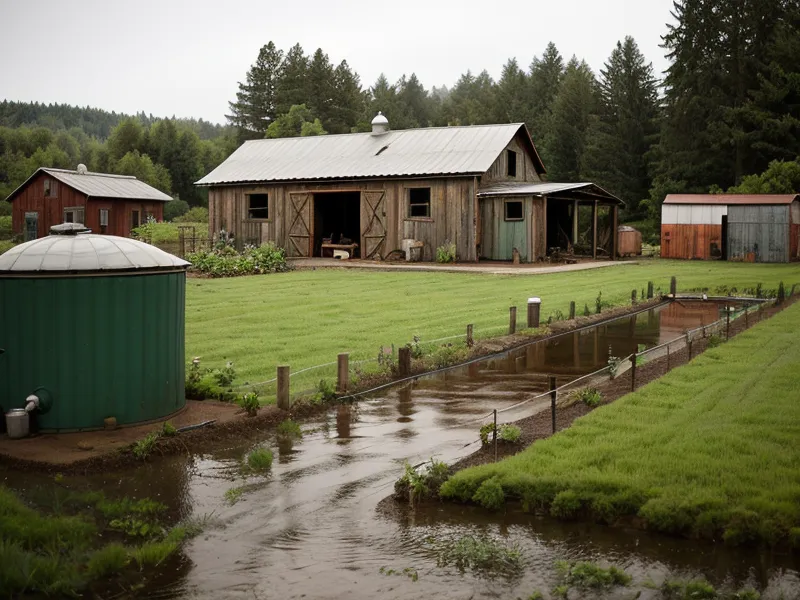
A squat plastic tote and a narrow vertical tank can hold almost the same number of gallons — but only one of them still leaves you a clear path to the tomatoes. That's the myth I want to take apart here: the idea that going narrow for small garden irrigation means giving something up. I've been building out water storage on our patch of rural Oregon for three years now, and the tank everyone assumes is the "safe" choice — wide, squat, low to the ground — is usually the one working against a small homestead, not for it.
Update (September 2026): Aqua Tower is no longer available for purchase; this article is kept for reference. Our current alternative pick in this category is Water Freedom System.
I'll say this upfront, since it matters: this post has affiliate links, and the systems I mention, including the SmartWaterBox, are ones we've actually hauled around this property, not ones I picked off a spreadsheet.
The Tote-Versus-Tower Myth
Most guides push the squat tote as the default for anyone starting out. It's easy to find secondhand, it doesn't ask you to think about wind, and it just sits there looking sturdy. Vertical tanks get filed under "compromise," something you settle for when your yard is too small or too sloped for a real tote. That framing has it backwards, and I started figuring it out around the time I wrote The Sound of Silence: Managing Our Well After the Summer We Ran It Dry, back when I got serious about never running short again.
Our first tote here was a hand-me-down wide enough to swallow a garden path whole, parked squarely between the coop and the tomatoes. The dogs took to detouring around it. The hens decided the gap behind it was prime real estate for dust baths, which meant I couldn't reach the spigot without first evicting a very offended chicken. Nobody warns you that water storage can turn into an obstacle course this fast.
Do Narrow Water Storage Tanks Actually Hold Less?
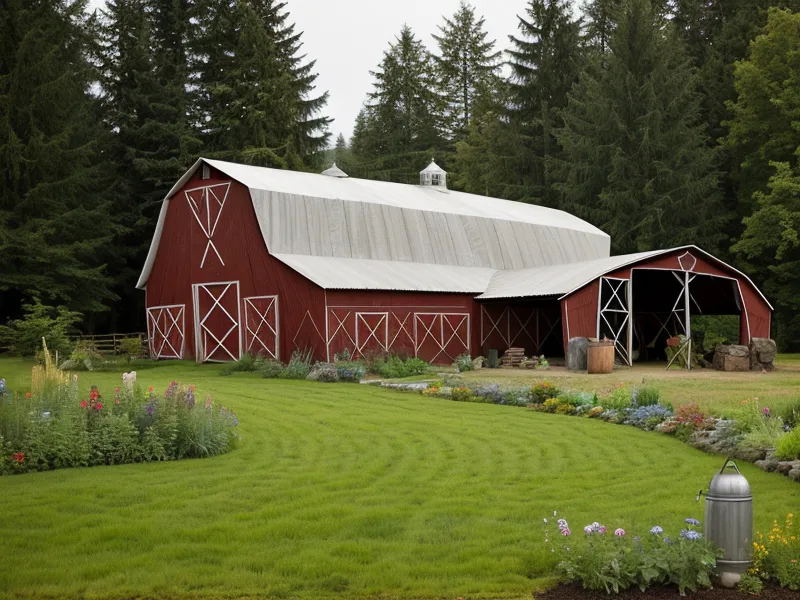
Not inherently, no. The ceiling on how much you can store comes down to a tank's rated capacity, not its shape — you can find a narrow tower rated for roughly what a squat tote holds, just stretched upward instead of outward. What changes is what that height buys you on top of the capacity.
There's a gauge in our mudroom that used to tremble down into the high thirties right around sunrise, back when the well itself was the problem, and watching that needle drop enough mornings taught me to trust gravity over anything mechanical whenever I have a choice — stack the water up instead of out, and gravity starts pushing it toward the garden on its own, no pump required. That's a different thing from what a pressure tank does for your house lines; this is just gravity doing the garden's work for free once the water sits high enough. For my drip lines along the raised beds, that extra height was the gap between the lettuce getting an actual drink and just sitting in dry dust waiting on me to remember to turn something on. A tank like the Aqua Tower leans into exactly that, the same footprint as a fence post, all the advantage stacked vertically instead of spread across the ground.
Respect the Wind, or Lose the Tank
Here's the part most small-garden guides skip entirely, and it's the one real trade-off in this whole comparison. A tall, thin tank empty of water is basically a sail. I watched a neighbor's barrel — empty, unanchored — skate clean across their field in a spring gust like it weighed nothing. Because a narrow tank touches so little ground, it needs real anchoring, not a couple of pavers stacked underneath it and a shrug.
That meant digging down, laying a level gravel bed, and cinching the frame to earth anchors instead of trusting friction and hope. I hauled the gravel myself from a landscaping stall at the Eugene Saturday Market instead of ordering it online, mostly so I could see exactly what I was buying before it went in the ground. Skip that step, and a narrow footprint stops being an advantage — it becomes the reason your water storage tank ends up sideways in the neighbor's field instead of theirs.
The Real Advantage Nobody Advertises
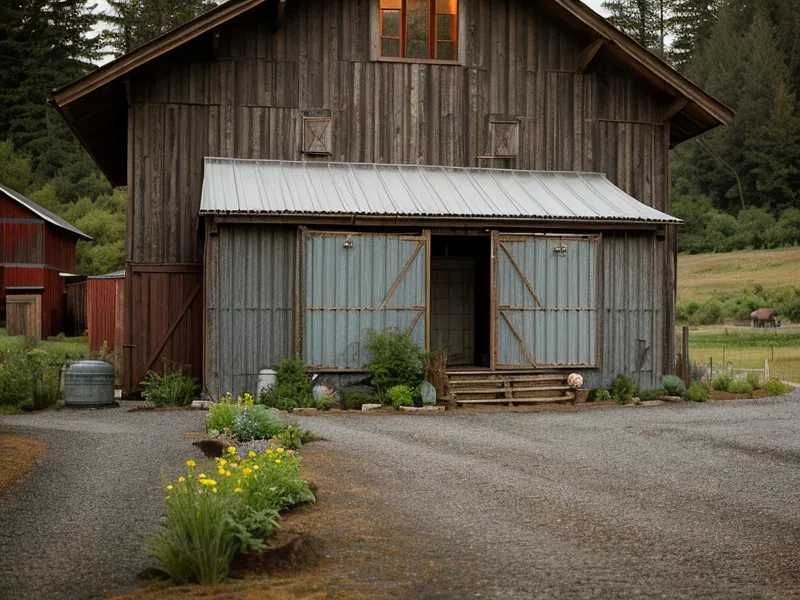
I tucked our own Aqua Tower into the corner behind the coop, a spot that used to be nothing but blackberry canes and regret. Because it barely takes up more ground than a fence post, I can still get the wheelbarrow through to muck out the coop without a three-point turn around a plastic drum.
The moment that actually sold me on this whole setup happened deep in winter, not the summer heat everyone plans around. I walked out to the coop expecting to break ice and top the waterer off by hand like always, and found the hens still drinking steady, the tank gravity-feeding the line through the whole cold snap without me touching a thing. The first time that's ever happened here through an entire winter. I've gotten a little obsessive about checking levels since then, which is why I still send people to Why I Use a Reliable Well Water Level Monitoring System Now whenever someone asks how I keep track of it all.
Where a Narrow Tank Still Loses
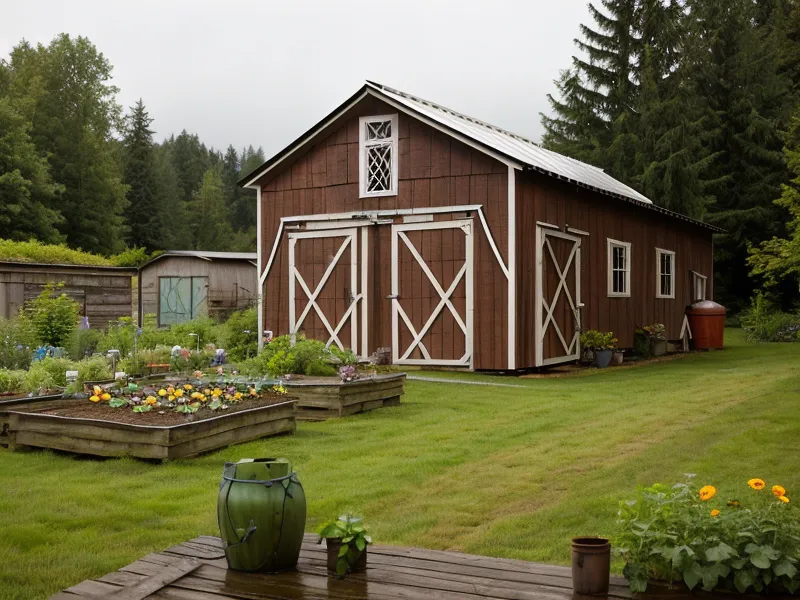
None of this means a narrow tank fixes everything, and I don't want to oversell it. My friend Priscilla, who bought twenty acres of her own outside Roseburg around the same time we moved out here, still fights pipe problems on a completely different scale than mine. A tank being narrow doesn't do a thing for whatever's happening underground. A reader named Corinne, dealing with well trouble two time zones east of me, emailed asking almost this exact question not long ago: does going narrow actually cost you anything? The honest answer is exposed plumbing.
Going vertical means more pipe exposed to weather between the tank and the ground, and that pipe needs real winterizing, not shortcuts. I tried wrapping some of ours in old bath towels one November instead of buying proper foam pipe insulation, telling myself a thick enough wrap would hold the heat fine. It did NOT. The line still froze solid during the first hard cold snap, and I spent an ugly afternoon with a hair dryer learning that lesson properly. Freeze protection isn't optional just because your tank saves you square footage.
So no, my answer to the original question hasn't changed. If you're working a small, oddly shaped yard and you keep tripping over a tote that's swallowed your garden path, a squat tank isn't actually the cautious choice; it's just the familiar one. Systems like the SmartWaterBox exist precisely for people who want to monitor a vertical setup without guessing, and pairing that with proper anchoring solves the actual risk instead of avoiding a shape that was never the real problem.
Being handy out here was never about pouring concrete or knowing exactly how many gallons your chickens need every day. Though that number helps. It's about matching the tool to the space you actually have instead of the one a Pinterest board assumes you have. Our garden paths stayed clear all year, the coop never went dry through a single cold snap, and I still haven't heard our well pump make that hollow, sucking-air sound I used to dread. If a bulky tote has been quietly eating your garden, a vertical tank like the Aqua Tower is worth a real look before you assume you need more space instead of more height.
No engineering degree here, no contractor license. Just someone who's anchored one tank badly and one tank well, and can tell you which afternoon was worse. If you're dealing with real slope, real wind exposure, or soil that worries you, loop in someone local before you commit a tower to a corner of your yard.