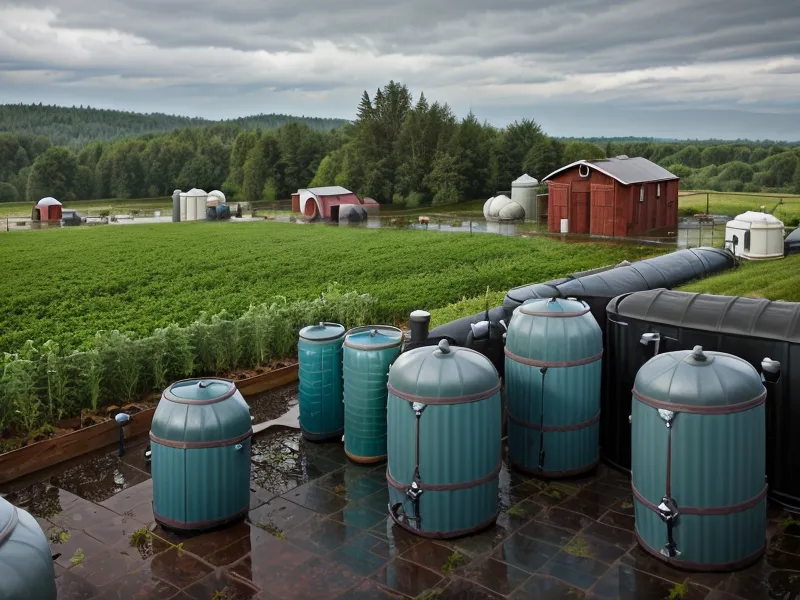
My hands are wrapped around a dripping length of PVC right now, trying to explain over the fence why I don't flinch anymore when the well pump groans. Here's the short version: my greenhouse doesn't drink from that well at all these days — it drinks from the air. Twenty tomato plants, zero extra trips to the water table, and real off-grid water independence I rigged up myself, bolted onto the side of a greenhouse that used to depend entirely on a cranky well.
Quick disclosure before we go further, since I'd rather you know upfront: this post contains affiliate links, and if you buy through one I earn a small commission at no extra cost to you. I only talk about gear I've actually dragged out here and used, usually after breaking some part of it first.
Why Did I Even Start Looking at Thin Air for Water?
Our well's pressure gauge has a habit worth mentioning: the needle trembles right around 38 PSI every morning just before sunrise, then sags the second the pump kicks on for the day. It's a small, specific kind of dread. The first bad heatwave after we moved out here taught us that our aquifer is touchy — sensitive to every dry spell, slow to recover, and not something I wanted twenty tomato plants betting their lives on every August. Watching a water table drop while your garden wilts does something to your brain. You start doing arithmetic you never wanted to learn: a shower, or the Brandywines?
That's roughly when I went looking for a backup that didn't depend on rain or the water table at all. Atmospheric water generator technology kept coming up, though most commercial units are priced like small appliances built for a space station. A guide called the Water Freedom System is what finally talked me into building a version myself instead: less a gadget, more a set of blueprints for pulling moisture straight out of the air with fans, a cooled surface, and a lot of PVC.
Dry Oregon Summers Don't Play by the Usual Rules
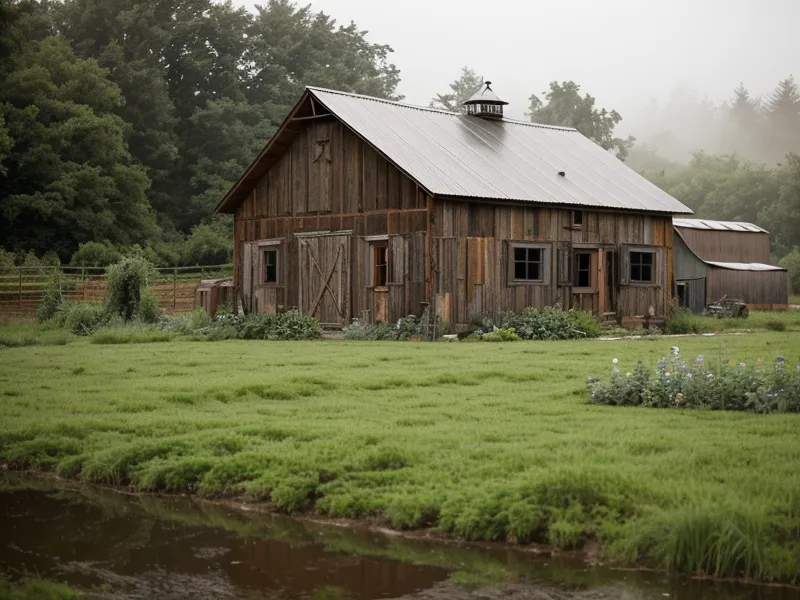
Most advice about pulling water from air assumes you live somewhere swampy. We don't. Southwestern Oregon summers run hot, dry, and thin on moisture, and most basic condensation units just quit the moment the relative humidity drops too far. The efficiency of the whole setup tracks the dew point — if the air itself is too dry, you can run the fans all day and collect nothing but a higher electric bill.
What actually worked was finding the minimum humidity threshold of 30 percent and building around it instead of fighting it. Crisp late-spring mornings were easy. Mid-summer heat was not, so I moved my intake vents closer to the rain barrels and the shaded side of the barn, where the air stays a notch cooler and damper. It took trial and error, and most of the error involved chickens — they decided the new intake pipe made an excellent nesting spot, and I lost an entire Saturday morning fishing eggs out of PVC instead of tightening fittings.
Before anyone goes digging trenches or plumbing a whole house around a DIY rig, it's worth reading up on What New Homesteaders Need to Know About Finding a Good Well Site first, or talking to someone licensed. Knowing your baseline water situation matters more than any amount of atmospheric extraction layered on top of it.
The Real Water Math for Twenty Tomato Plants
Mature indeterminate tomatoes drink roughly a gallon a day apiece once summer heat peaks. Multiply that by twenty plants and you get twenty gallons a day I did NOT want pulled from a well that was already stressed. Following the Water Freedom System blueprints took a few weekends of actual building, not just reading — and if you'd rather flip through a physical manual with muddy hands than squint at a screen, the printed edition tacks on a $9.95 shipping fee, while the digital version is instant.
The build itself was humbling. I'm not handy by nature, and at one point I was standing calf-deep in a trench I'd dug for the drainage line, missing the days when a leaky pipe meant one phone call instead of an afternoon of trial and error. Out here, if the pipe leaks, I'm the plumber, the apprentice who forgot the primer, and the person apologizing to the dogs for the accidental pond in the side yard.
Learning to Level a Tray the Hard Way
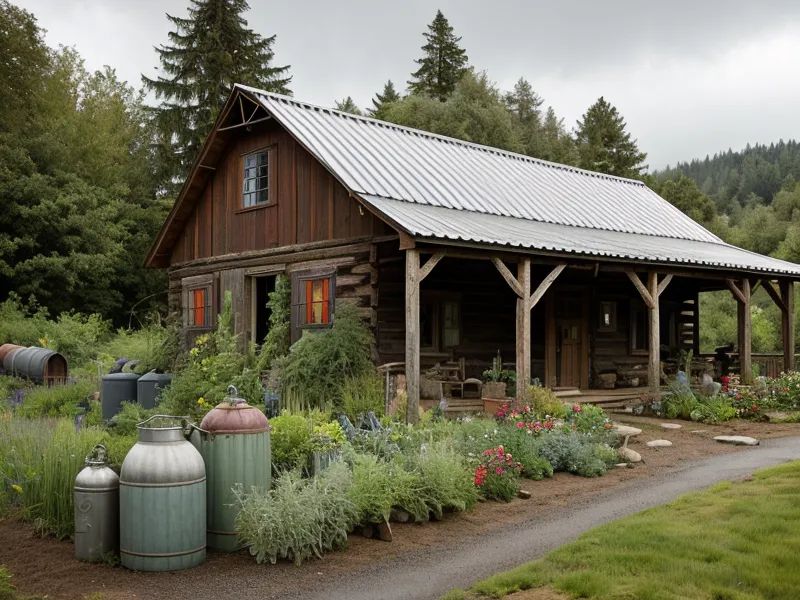
A cinderblock base seems sturdy right up until it isn't. I got the system humming, watched condensation trickle steadily into the collection tray, and felt pretty smug about the whole project — right up until I found a small flood on the greenhouse floor one morning, because the tray wasn't level and the water had taken a detour across the concrete instead of into the reservoir.
Mopping it up stung less once I remembered where that water had actually come from. It wasn't well water. It came straight out of the Oregon air, and losing a little of it to a bad angle on a cinderblock felt almost funny once the peppers forgave me. An hour with a level and a few wooden shims fixed what my eyeballing had wrecked, and the tray's stayed flat ever since.
If you want the longer version of what happens when a well goes quiet for good, I've written about that too — The 'Oh Crap, the Well is Off' Guide covers the backup filtration side of this same panic. Adding an atmospheric source on top of that is just the next logical layer, not a replacement for any of it.
Babysitting the Reservoir (Or Learning Not To)
For a while, my whole system for not flooding the greenhouse again was setting phone alarms to check the tray level three times a day by hand — which sounds responsible and mostly just interrupted dinner, since the one morning it actually mattered, I was asleep and missed it anyway. That approach failed about as often as you'd expect from a plan that depends on me remembering anything early in the morning.
These days I check the reservoir level from my phone without getting out of bed, and the one morning I ran a full load of laundry start to finish, the reading never budged. Backed by a 60-day, 100 percent money-back guarantee on the Water Freedom System guide itself, I'd felt safe enough building the DIY version — but if you'd rather skip the trench-digging entirely and buy a ready-made unit that handles extraction and monitoring together, the SmartWaterBox is the one I'd point you toward instead.
What This Isn't: Wells, Rain Barrels, Filters, and the Rest
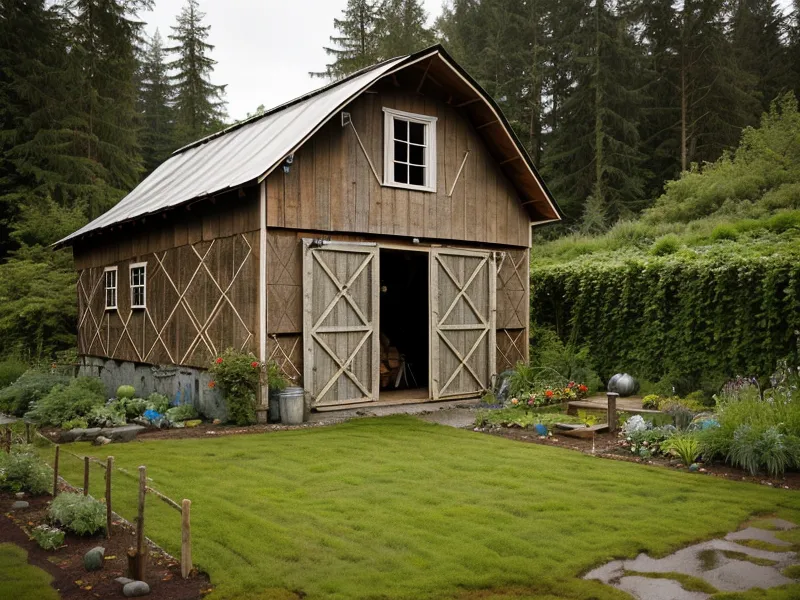
People lump this project in with every other water system on the property, so let me untangle it. This rig has nothing to do with well recovery rate, pressure tanks, or pressure switches, because it never touches the well's plumbing at all — it just makes its own water, separately, out of air. It's also not rainwater harvesting, even though both end up filling a tray eventually; rain collection depends on a storm actually showing up, and this doesn't.
It won't answer questions about freeze protection once the barn pipes start threatening to crack in a cold snap, and it has nothing to say about sediment filtration, dissolved minerals, or UV disinfection, because this water never came from the ground in the first place. I didn't guess at any of those thresholds, either — years back, when I was first trying to work out whether we had a well problem or a rain problem, the folks at the Yamhill County OSU Extension Office answered more questions in twenty minutes than any gadget I've bought since, and that's still where I'd send someone who wants real water testing done right.
Static water level measurement, gravity-fed distribution, pump power independence, the real difference between a shallow and deep well, shocking a well after a flood, chasing air out of a dry line, sorting out surface water intrusion after a storm, deciding on a whole-house treatment train — those are all real homestead puzzles, and every one deserves its own conversation. So do daily water needs for the chickens and other animals, greywater reuse, and keeping a septic system happy. This post isn't any of those. It's just the one about getting a greenhouse to water itself from the Oregon sky.
Is Greenhouse Water Independence Worth the Trouble?
A friend of mine who trains for trail marathons on the Ridgeline Trail above Eugene asked me the same thing last week, mostly because she'd just watched her own well level drop mid-training-season and panicked a little. My answer was the same one I'd give anyone: it's not a magic fix for a struggling well, but it took one specific worry — the greenhouse — completely off the table.
No engineering degree, no particular handiness, just a lot of trial, error, and zip ties, and the greenhouse mostly waters itself now. I'm no longer trading a shower for the kale's sake. If you're tired of the dry-well panic every time the thermometer climbs, the Water Freedom System is where I'd point you to start — not because it's magic, but because it's the difference between hoping for rain and just pulling what you need straight out of the air around you.