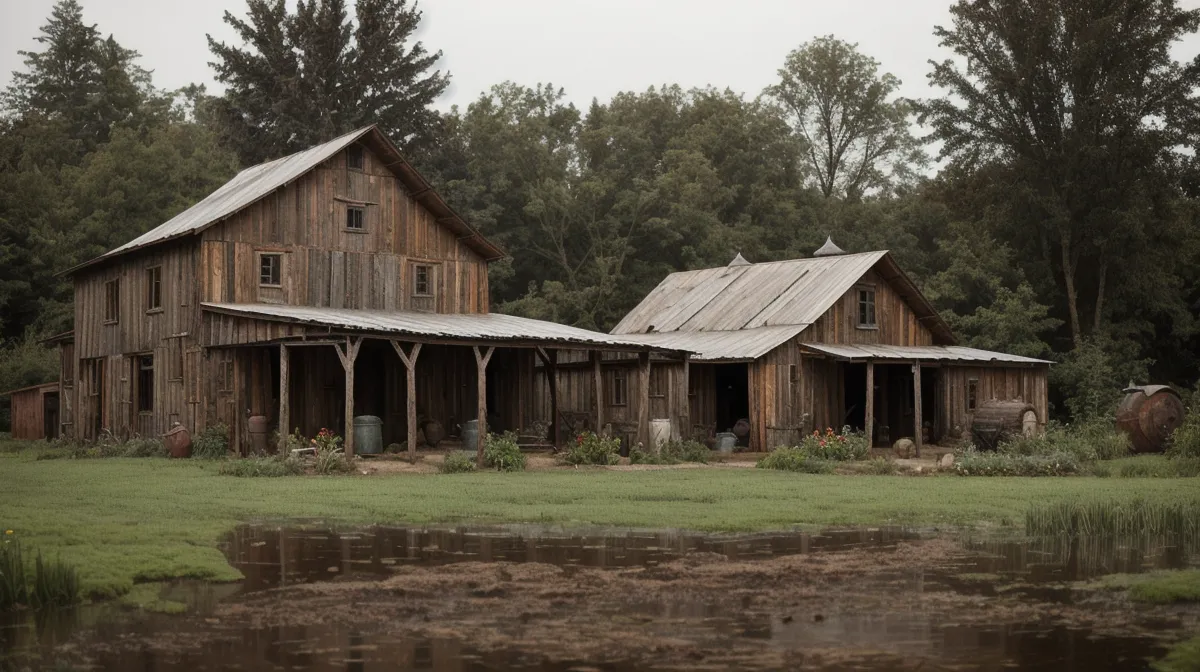
I turned on the kitchen faucet to rinse a coffee mug, and what came out looked like weak tea left to steep three times too long. Three days of hard Oregon rain had soaked everything on this place, and apparently that included whatever sits under our well cap. Well water maintenance out here is never actually finished, and this was the week it demanded attention again. In a homestead water system with no landlord and no maintenance line to call, every fix starts as DIY plumbing figured out on a frustrated afternoon, and this time sediment filtration turned out to be the actual answer — though getting there took longer than I'd like to admit.
Here's the short version, the one I wish somebody had told me before I spent a morning catastrophizing: brown well water right after a hard rain is almost never a sign the well itself is dying. It's usually surface water working its way down through saturated ground, stirring up sediment that settles quietly in aquifers like ours during the dry months and gets kicked loose the second the ground can't hold any more water. There's even a proper word for the cloudiness itself, turbidity, which really just means dirt suspended in water, dressed up in a lab coat. None of that means ignore it. It means don't call a well driller in a panic before ruling out the obvious.
Is Brown Well Water After Rain Actually an Emergency?
Color wasn't actually the thing that worried me most — it was whether something deeper had gone wrong, the expensive kind of wrong. So I did what I always do when a system on this place starts acting strange: called Ruthanne next door. She's the person I call the second anything here smells off, water included, and since she's lived rural her whole life, five minutes on the phone with her usually tells me whether I'm overreacting. Was I overreacting? Probably, a little. Her read was simple: give it through one more rain cycle before touching anything, then worry if it's still ugly after that.
Checking the Easy Stuff First
Before buying a single part, there's a short list worth running through, and none of it needs special tools. Walk out to the well head and check whether the cap is actually seated, or whether something knocked it loose in the storm. Notice whether it's just one faucet running dirty or the whole house, because a single bad fixture points to plumbing inside the house, not the well itself. Ask around if anyone else nearby on a well is seeing the same thing after the same storm, because a whole hillside turning the color of tea is a different problem than just yours. None of this fixes anything on its own, but it tells you whether you're looking at a plumbing afternoon or an actual emergency.
Grit moving through a pump is never nothing, which is why part of checking the easy stuff also meant ruling out a bigger problem with the pump itself — I'd been hearing a strange noise out there around the same time, enough that I went down a rabbit hole researching why my well pump was making a loud humming noise. Abrasive plus constant eventually equals expensive, and protecting the pump mattered more to me than the color of my bathwater ever did.
We also found out the hard way that having water stored somewhere is not the same as having an actual backup plan. Months earlier we'd stashed a single 55-gallon drum in the barn and called it done, which felt responsible right up until the week we needed it and realized one drum does not stretch far across two adults, two dogs, and a flock of chickens that apparently drink more than everything else on the property combined. ONE BARREL IS NOT A PLAN — it's a start, and I filed that lesson away for next time.
What Finally Worked (And What Didn't)
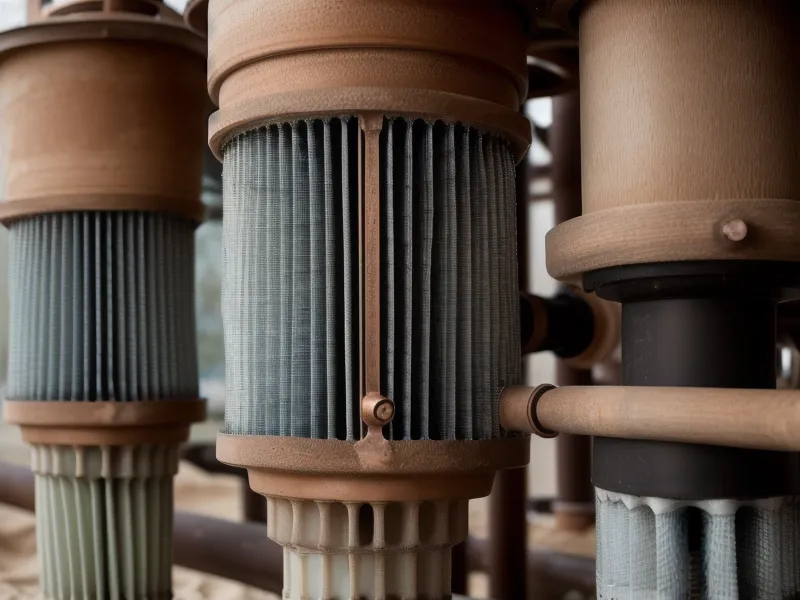
A spin-down filter is basically a strainer for the whole house, and mine came home after a couple of confused trips to Coastal Farm & Ranch in McMinnville, where men in flannel discussed mesh counts like a secret language, before going in right before the pressure tank using centrifugal force — the fancy term for things that spin fast getting pushed to the outside — to fling grit to the bottom of a clear housing instead of trapping it in paper that clogs in a day.
Installing it meant two wrong-sized brass fittings, a very patient partner holding a flashlight, and language I won't repeat here, but it went in fine eventually, and watching that clear housing start collecting fine grey sand within minutes felt like a small win on a day that badly needed one.
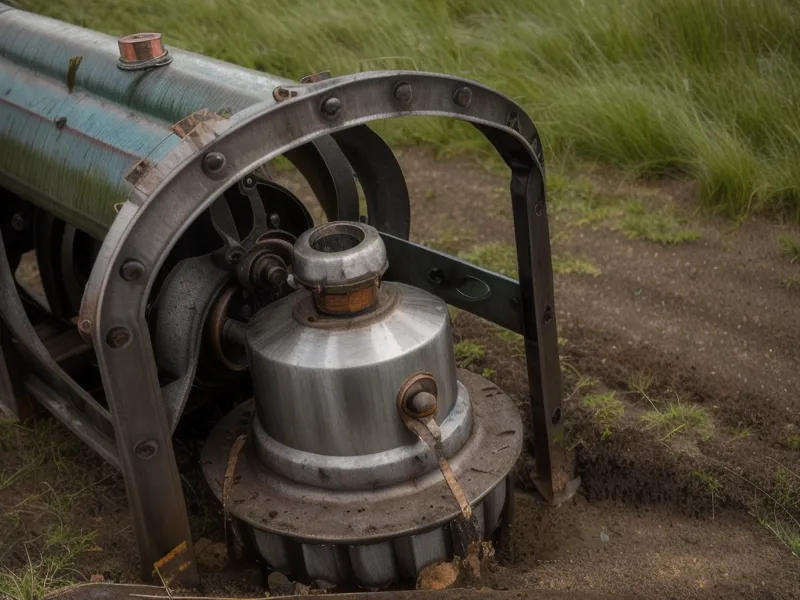
Sediment settling inside a pressure tank is its own slow-moving problem, worth knowing about on its own rather than lumping in with everything else, but since the filter went in, ours runs noticeably quieter — the pump cycles less, and the pressure doesn't do that irritating surge-and-drop thing it was doing before.
The same storm that turned the well water brown also filled every rain barrel on the property to the brim, which feeds the garden through our gravity and zip tie garden watering setup — a completely separate system solving a completely separate problem, which is worth remembering before you treat every bit of water trouble on a homestead like it's the same issue wearing a different hat.
When to Stop DIYing and Call Someone
There's a point where this stops being a DIY weekend project and starts being somebody else's job, and it's worth naming plainly. If the water hasn't cleared once the storm has passed and the ground has had time to settle, if it starts smelling different instead of just looking different, or if a shared well has neighbors reporting the same thing lasting an unusually long time, that's past the zip-tie-and-patience stage — getting the water tested by someone qualified beats guessing every single time. My friend June, who I met through a local rural water meetup and who's been doing this longer than I have, is who I picture when I want proof that a system can just work without drama, and even she still gets things tested when something changes.
The Short Version for Next Time
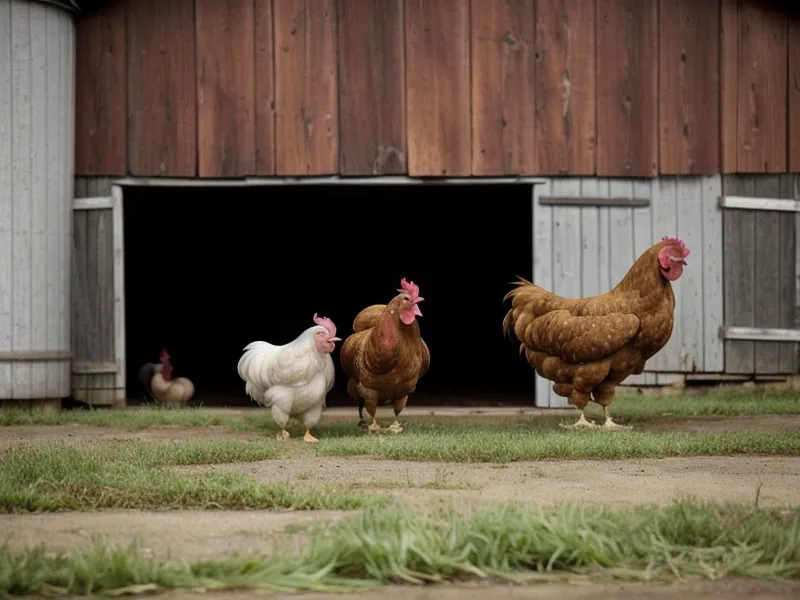
These days, I fill the dog bowls without leaning down to check the water first, which might be the smallest possible victory but counts as one out here. The chickens eventually moved on from their obsession with pecking at the clear filter housing — for about a week it was the single most interesting object in their world, and I ended up boxing it in scrap wood just to get them to leave it alone. If your water turns the color of tea after a hard rain: check the obvious stuff before you panic, treat a spin-down filter as basic infrastructure rather than an upgrade, and save the real worry for water that doesn't clear up or starts smelling wrong instead of just looking wrong. Everything else out here, I've learned, you figure out by getting it wrong once first.