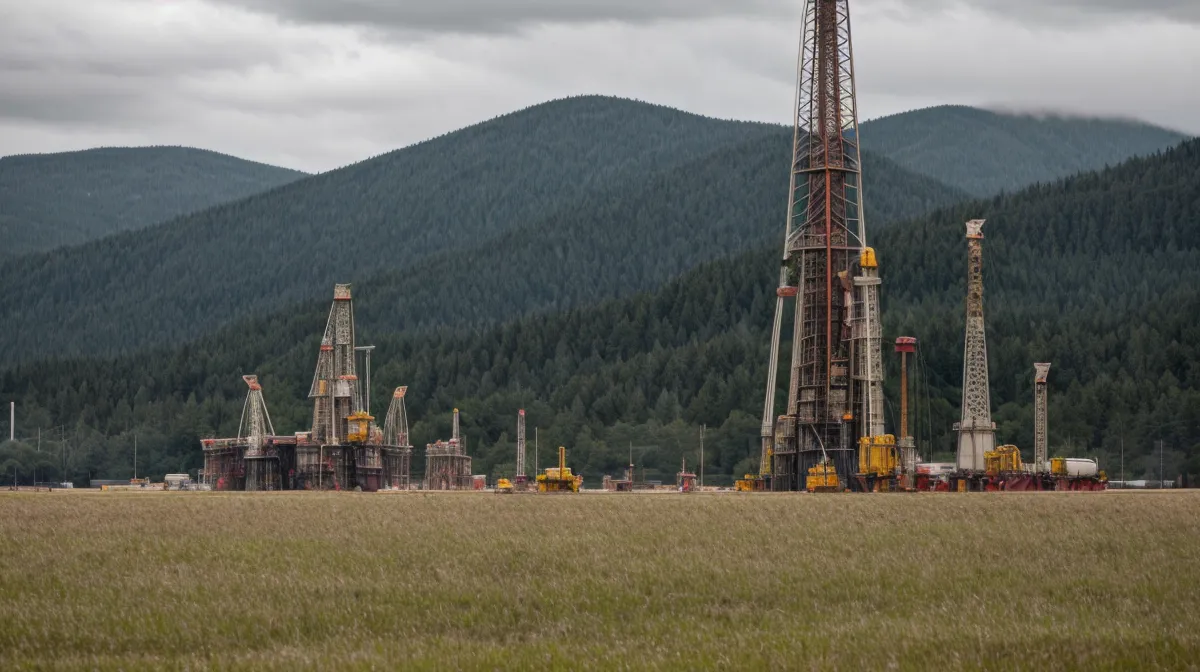
Where a well can go on your land is rarely decided by your gut, your view, or a stack of paperwork you've never seen. Most new homesteaders only find the real answer after they've cleared brush, mapped a dream garden bed, or fallen for a particular patch of shade. Off-grid living on Oregon land teaches you fast that well-drilling site selection has almost nothing to do with instinct, and everything to do with what's already buried around you: septic lines, old livestock pens, and a legal setback most people never read until it's too late.
Update (September 2026): Aqua Tower is no longer available for purchase; this article is kept for reference. Our current alternative pick in this category is Water Freedom System.
Quick disclosure before we wade into the mud: this post contains affiliate links, and if you click through and buy something, I earn a small commission at no extra cost to you. I only mention gear we've actually run through its paces trying to keep chickens hydrated and our own taps running. I'm not a geologist, a hydrologist, or a licensed driller — just someone who has spent an unreasonable number of hours staring at muddy holes in the ground. Talk to a licensed well professional before you break ground on anything.
Here's the short version, if you want it before the long one: a good well site sits as far as possible from anything that could leak into your groundwater, on ground that won't flood or pool water, and in a spot the public record already tells you something useful about. Think of it the way you'd budget a big renovation — you fix the foundation problem before you pick paint colors. Distance from the house, trenching cost, how nice the spot looks in July, all of that comes second.
Your Septic System Draws the First Line on the Map
When we moved out from a Portland apartment, I had a whole vision of a kitchen garden bed with room for a backup well nearby, and I spent three days clearing blackberry brambles for exactly that spot. A neighbor pointed out it sat maybe 40 feet from our septic drain field before I got much further. Oregon requires a 100-foot setback between a well and a septic system, no exceptions for a patch of ground with great afternoon light.
That mistake taught me the land doesn't care about your floor plan — it dictates it. Before you commit to a site, map out every 'gross stuff' item near it: your septic tank, a neighbor's septic tank if you share a property line, and any old livestock pens, since runoff from those spots can work into groundwater long after the pen itself is gone. I had to abandon my cleared patch and start over, which cost me a full day and more blackberry scratches than I'd like to admit.
Digging Through Oregon's Well-Drilling Records Before You Call Anyone
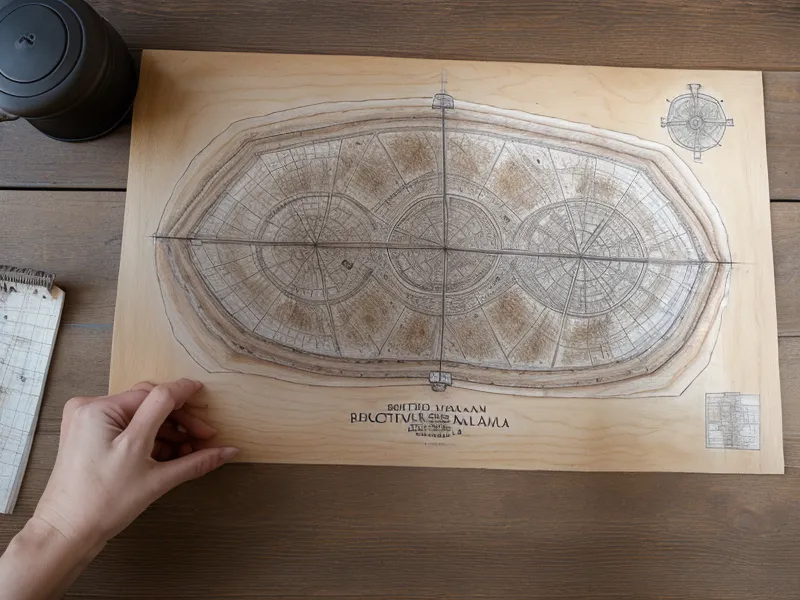
Long before a driller ever sets foot on your property, you can do real homework from your kitchen table. Oregon has required well logs as public record since 1955, so you can pull decades of drilling data for wells near yours through the state water resources database. I cross-referenced our neighbors' records and found they were hitting water around 300 feet, while our lot sits on a rocky ridge above them — useful context before anyone drills a single foot.
Those same records introduced me to the aquifer running under our whole stretch of the valley, and to something called static water level, which is just where the water sits when nobody's pumping it. Recovery rate is the related number worth asking about before you drill — how fast a well refills once you draw it down — and if that number comes back low, a storage buffer like an Aqua Tower is one way people stretch a slow well through a busy morning instead of babying the pump. I'll leave the full mechanics of recovery rate for another post; it's a rabbit hole on its own.
Is the Closest Spot to the House Actually the Best One?
Conventional advice says to put a well as close to the house as you can, mostly to save money on trenching. That advice falls apart fast if you're anywhere with heavy runoff or flood risk, because a well sited right next to your foundation can end up catching every bit of surface water sheeting off your roof and yard during a wet spring.
We watched exactly that happen during spring thaw, when runoff pooled uncomfortably close to our crawlspace. Surface water like that can carry bacteria or chemicals straight down the outside of a well casing if the seal isn't tight, which is precisely how you end up with smelly or contaminated water months later. My neighbor Ruthanne is the person I call the second anything around here smells wrong, and she didn't hesitate to tell us to move the site. We ended up choosing a spot 50 feet farther from the house than we originally wanted, on higher, more stable ground — more pipe, more trenching cost, but worth it to stay ahead of a problem instead of chasing one.
What the Drilling Rig Actually Tells You Once It Arrives
Watching the rig finally rumble up our driveway was its own kind of education. The drill pulled up core samples that smelled like cold, wet stone, and about halfway through the day the driller hit a void around 150 feet down — a pocket of nothing that made my stomach drop for a second before he explained it's a normal thing to run into underground.
This is where hiring a licensed professional actually pays off instead of being a line item on a quote. Our driller carried a Well Constructor's Bond, which meant he was accountable to state standards even when the ground did something weird underneath us. If you're comparing drillers, ask about licensing and bonding before you ask about price — it tells you more about what happens on a bad day than any estimate will.
Keeping Track of the Site Once the Well Is in the Ground
Site selection doesn't end when the rig packs up and leaves. We started using a SmartWaterBox for remote tank monitoring after our first summer of accidentally running the well dry, and it's caught more than one near-miss since — like a hose left running down in the chicken coop — before it turned into a real problem. You can read about my full 2 AM tank check trauma here.
The clearest sign our site and setup were finally working came on an ordinary winter morning, when I noticed the chicken waterer had stayed full all day — no trip out there with a bucket of thawed water, no ice skimmed off the top, just water doing the boring, reliable thing it's supposed to do. That kind of non-event is the entire point of good siting: less drama, not more.
Good siting also isn't the same thing as good filtration, and mixing the two up wastes money. Early on I bought a countertop pitcher filter and told myself that was enough for well water — it wasn't, and it took an actual water test to make that obvious. Where your well sits determines what's likely to get into your water in the first place; what you do about it afterward is a separate project entirely.
When I want to see what year eight of doing this looks like instead of year three, I think of June Abernethy, a fellow homesteader I met through a rural water cooperative meeting. Her place sits about twenty miles south of us, and her setup is the one I study when I want proof that a well sited right the first time keeps paying you back for years instead of turning into a recurring project.
None of this requires an engineering degree, just patience before you dig. Pull the well logs for your area, mark every septic field and old animal pen within reach, check your flood risk, and only then start thinking about how far the trench needs to run to your kitchen. Do the boring homework first and the actual drilling day gets to be the fun part instead of the terrifying one. If your current water setup already has you worried, my survival water guide walks through the lessons that came after our own well went in.