
A city water bill punishes you for using too much. A well punishes you for using too much all at once, and it does it without a warning light, a customer service line, or a bill that explains what happened. In town, a water utility handles all of that thinking for you; out here, that job belongs to whoever owns the property. That's Water System Basics 101 for anyone making the rural living transition, and nobody hands you the syllabus when you trade a meter for five acres and a well. Well water maintenance isn't complicated, but it's completely different from anything city living teaches, and most of what goes wrong that first year falls into a short, predictable list.
Quick disclosure before diving into that list: this post contains a couple of affiliate links, and if you buy through one I earn a small commission at no extra cost to you. I only link to gear we've actually run on our own place, not products I've only read about.
Here's the short version, broken down by what actually breaks, not by how scary it sounds on a homesteading forum.
Well Water Maintenance Starts With Understanding Your Recovery Rate
Every well has a recovery rate — how fast it refills itself after you draw water down — and it has nothing to do with what you paid for the pump. Think of it like a savings account that replenishes slowly: you can make one big withdrawal, but pull from every tap in the house at the same time and you'll overdraft it dry, no matter how healthy the balance looked yesterday.
The pressure tank sitting near your pump is what keeps that overdraft from happening every single day — it holds a cushion of pressurized water so the pump doesn't kick on every time somebody flushes a toilet. I've had mornings with the washer running, the dishwasher going, and a hose bib open for the chickens, who treat any dripping hose as a personal splash pool, and the pressure gauge never so much as flickered. That's a healthy tank and a healthy recovery rate doing their job together, not luck.
If a strong flow turns into a trickle and then nothing within the same day, that's usually a recovery problem, not a pressure problem, and no amount of tinkering with fixtures inside the house will fix something happening well underground, out of reach of anything you can tighten with a wrench.
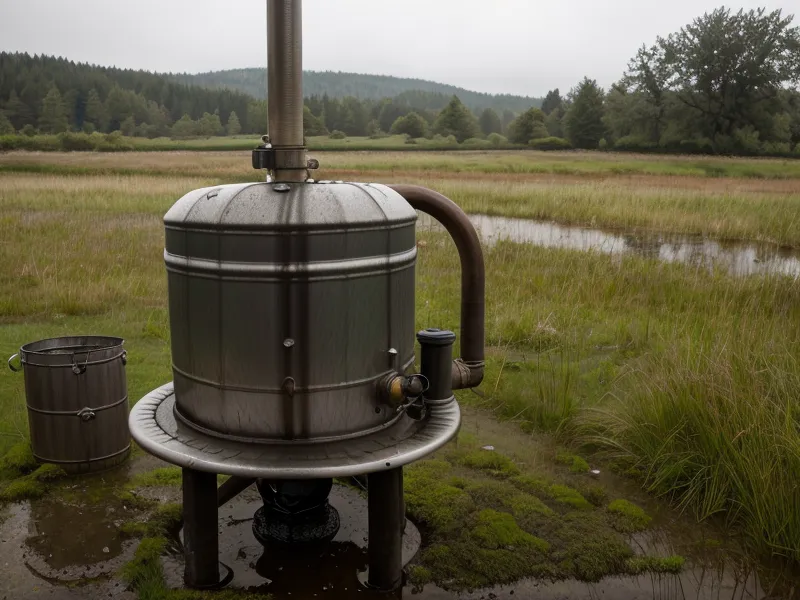
Why Does A Clean Water Test Still Leave You With A Sulfur Smell?
Real estate transactions require a well water test, and ours came back clean on everything regulators check for. Clean on paper didn't match what came out of the tap, though. A faint sulfur smell and a gritty residue building up in the washing machine that no lab report had warned us about.
In the city, someone else was testing the water constantly, behind the scenes, long before it ever reached the tap. Out here, who's checking it? Nobody but you; testing well water quality turns into something you do on a recurring basis, not a box you check once at closing.
I did the responsible-sounding thing after that first test came back clean: I called the county health lab, ordered a follow-up water test, and got a full page of results back in the mail. Then I filed it in a drawer and never actually acted on any of it, because everything looked fine in the columns I understood and I had absolutely NO IDEA what to do with the columns I didn't.
The Mineral Buildup Nobody Warns You About
Hard water doesn't announce itself the way a burst pipe does. A basic sediment filter catches grit and rust flakes before they reach the washing machine, but it does nothing for dissolved minerals that just keep accumulating. The first sign for us wasn't in the laundry at all. It showed up as a chalky, almost frosted film building up on the inside of the kettle after about a week of boiling water straight from the tap, something no filter in the house was built to catch.
When Storm Water Undoes What Your Annual Test Told You
A clean test in spring doesn't mean much by the time fall storms roll through. The same November rain that turns the Tillamook State Forest trailheads to ankle-deep mud is exactly the kind of weather that pushes surface runoff toward well heads across the county, and a well that tested clean in April can pick up bacteria it never had back in August.
That's the gap a secondary UV disinfection step is built to cover, since it deals with what shows up between testing dates instead of waiting for the next annual sample. For a household with a bottle-fed baby or anyone with a weaker immune system, I'd treat the annual test as a floor, not a guarantee, and look at a backup system like David's Shield for the stretches between storms, not because every well is a disaster waiting to happen, but because babies don't get the luxury of a wait-and-see approach.
Rain Barrels And Gravity Solve Problems A Well Can't
Rainwater harvesting takes pressure off the well during the driest stretch of summer, which is exactly when a marginal recovery rate matters most. Every gallon that lands in a barrel is a gallon the well doesn't have to produce. Getting that water where it needs to go is its own puzzle, and gravity-fed distribution, letting elevation do the pushing instead of adding another pump, is usually the cheapest way to move it to a garden bed or a chicken run.
My neighbor Bert Yamamoto, a retired irrigation engineer three properties over, once watched me dig a trench for exactly four minutes before wandering over and asking a string of questions without ever once telling me what was wrong with it. By the time he wandered off again I'd figured out on my own that the grade ran the wrong direction, which is the kind of mistake gravity never forgives and a pump can usually cover up.
Reading A Failing Pressure Switch Before It Reads Like A Dead Pump
Not every problem is underground. One Saturday we lost pressure completely, and I spent the better part of a morning convinced the pump itself had died, already dreading what a replacement would cost.
My plumber, Elliot Morozov, walked me through it over the phone before I'd even finished unscrewing the housing, and he was right, same as always: ants love the warmth of a live electrical contact, and a fried pressure switch clogged with dead ants can mimic a dead pump almost perfectly. Clearing it out took longer to explain than to actually do.
The small stuff causes more grief out here than anything dramatic ever does: grit working through a whole house well water filtration system, or a pressure tank short-cycling because its bladder failed.
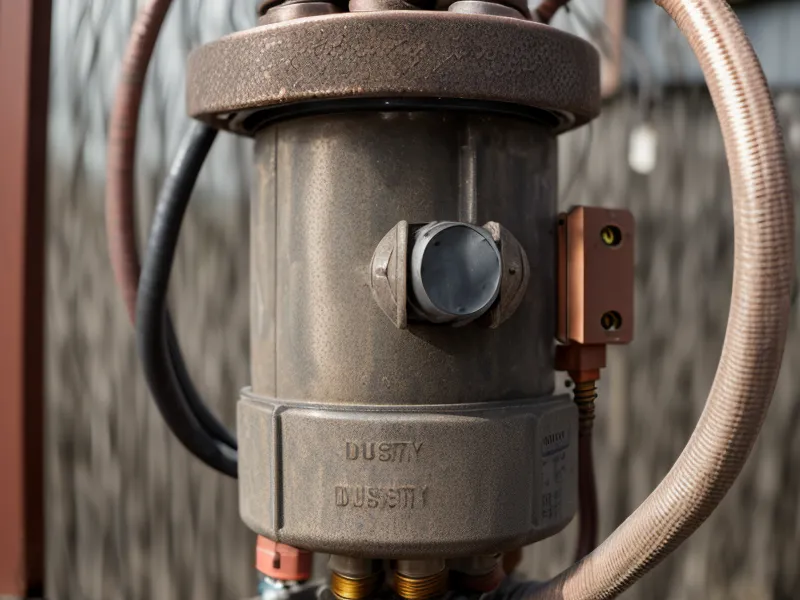
Tank-Level Monitoring And The Warning A Test Can't Give You
Tank-level monitoring is the difference between finding out your well is running low from a gauge and finding out from a dead shower mid-rinse; a sensor tracking pump cycles and water level can flag trouble hours before it turns into an actual crisis. We added a SmartWaterBox after that first summer of running the well dry, mainly so I'd get some warning before disaster instead of after.
If bacteria ever does turn up in a test, well shock chlorination is the standard fix, which involves flushing the system with a chlorine treatment and running it back out through every fixture in the house, and it's not something worth guessing your way through on a first attempt.
None of this requires an engineering degree, and I don't have one. What it requires is treating your well like the small, private utility it actually is: know your recovery rate, test on a schedule instead of waiting for a symptom, and keep a way to see trouble coming: a tank monitor, a pressure gauge you actually glance at, anything, before it shows up as a dead shower.
If all of this has you thinking about what else is waiting underground, what I wish I knew about maintaining a septic system covers the other half of the equation, because out here, what goes in eventually has to go somewhere, and that's its own list of surprises.