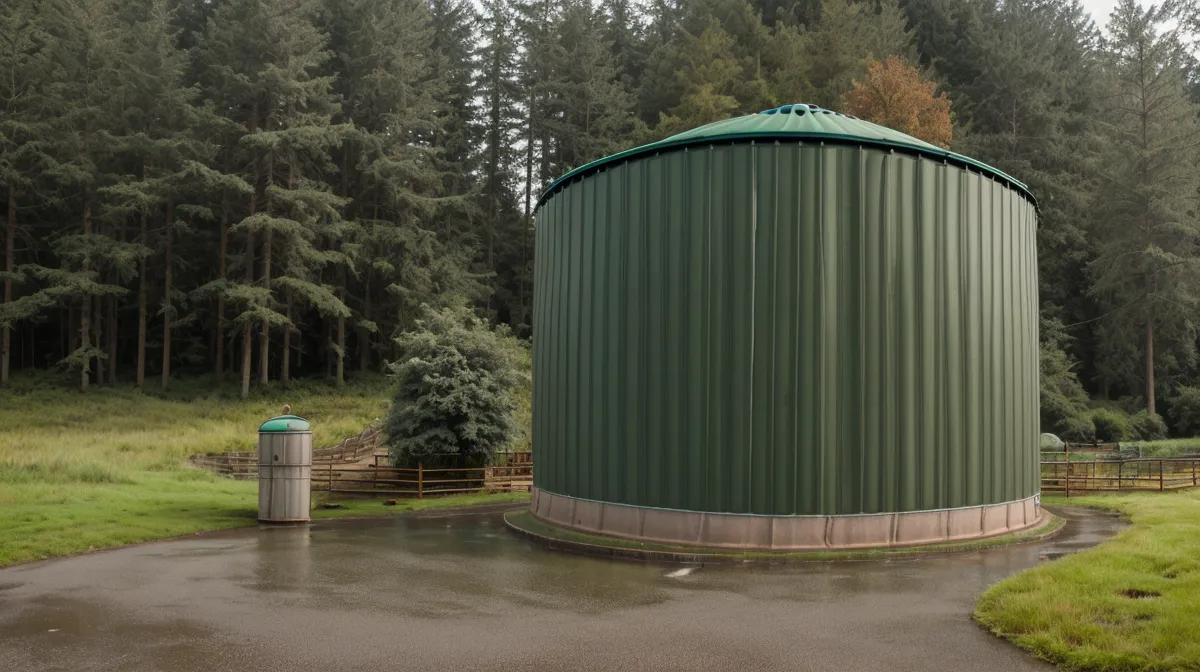
The needle on the pressure gauge drops past twenty and the pump kicks on anyway, humming for a few seconds before it goes quiet in a way that has nothing to do with the switch doing its job. That quiet is a submersible pump spinning with no water around it, and it's the fastest way to turn ordinary well water homesteading maintenance into an expensive repair bill. Here's the fix, and it isn't checking the tank by hand every few hours: a pressure switch or low-water cutoff relay set to cut power once the line pressure drops to somewhere around 20 to 30 pounds per square inch (PSI), wired straight into the pump's control box, stops the damage before it starts.
The Real Cost of a Well Water Pump Running Dry
A well pump isn't like a shop vac you can run dry for a minute without consequence. Water is what carries heat away from the motor and lubricates the seals while the pump spins, so the second that water disappears, friction starts cooking the impeller — the part that actually pushes the water through — along with the seals around it, from the inside out. It doesn't take long, minutes rather than hours, and the repair bill for a burned-out submersible pump commonly lands in an expensive range, sometimes more once you factor in pulling it back out of the casing. That's not a scare number lifted from a sales brochure. That's just what happens when metal spins against metal with nothing left to cool it.
A Pressure Switch Does the Job an Alarm Can't
For months, I tried to handle this by setting phone alarms — three of them, spaced through the day — as a reminder to walk out and check the tank level by hand. It's a terrible system. Alarms go off during dinner, during a chicken emergency, during literally anything else that feels more urgent in the moment, and you snooze them, and the one time the tank actually runs low is the one time you're distracted by something else entirely. Relying on your own memory to protect a piece of equipment is like relying on remembering to check your bank balance before every single purchase instead of just turning on overdraft protection. It NEVER holds up long-term.
One switch only solves one piece of a much bigger puzzle, though, and the rest of the system deserves at least a mention even without the full explanation here. A pressure switch or a low-water cutoff relay does the job without needing you to remember anything at all. It watches the actual pressure in the line, and if that number drops below the 20 to 30 PSI range, it cuts power to the pump before the motor gets a chance to spin dry. Wire it into the control box once, and it works quietly in the background the same way a smoke detector does — you forget it's even there until the one time you desperately need it to have been there.
What About Everything Else in the System?
The well's recovery rate — basically how fast the underground aquifer refills after you draw water out of it — is what actually determines whether you're at risk of pulling faster than the ground can keep up, and it's a deep enough topic to deserve its own write-up rather than a paragraph here.
A failing pressure tank looks completely different from a dry-run pump — pressure that surges and drops in a rhythm instead of dropping once and staying gone — and it's worth knowing that difference before you start replacing parts that were never broken in the first place.
Rainwater is the cheapest backup layer in the whole system, the one source still working when the well and the power grid both go down at once, keeping the place running off-grid for as long as the rain holds out, even after the barrels start smelling faintly swampy by the tail end of a long dry summer. Getting that stored rain to actually flow where you need it without a pump running is its own trick too — gravity-fed distribution, which leans on plain old hydrostatics instead of electricity, and it's the reason a tank on a hill is worth more than the same tank sitting in a ditch.
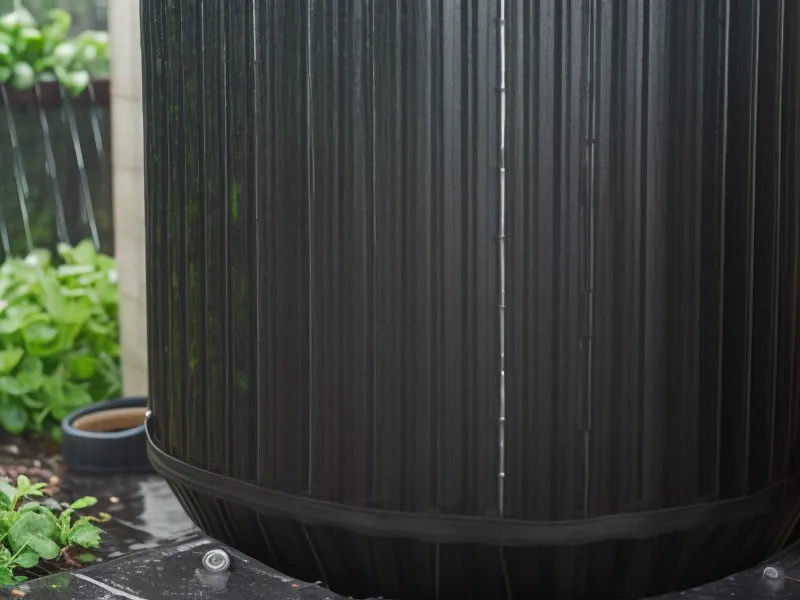
The tank-level piece is what finally replaced my phone alarms. I wrote about why I switched to SmartWaterBox remote tank monitoring once I got tired of being the backup system myself.
Sediment filtration is a separate rabbit hole entirely — screens and cartridges that keep grit out of a washing machine long before it ever becomes a health question — and I rounded up the specific gear that actually held up around here in The Muddy Truth: What I Wish I Knew Before Spending a Fortune on Homestead Water Gear (2026 Update).
None of this replaces an actual water test, and that isn't a DIY project. A sample dropped off at the Yamhill County OSU Extension Office will tell you more about what's actually in your water than any homesteading blog post ever will.
If bacteria gets into a rain-fed system after a storm, UV disinfection is the layer that handles it, and if the well itself gets contaminated, shock chlorination is the fix for that — both processes with their own right and wrong ways of being done, and both worth reading up on properly instead of guessing.
Watching the Animals Tell You It's Working
The dogs don't care about any of this system logic. Cooper and Daisy just want a full bowl and zero opinions about PSI. The chickens are honestly the better indicator, though — they drink constantly through a hot afternoon, and if the waterer runs dry for even an hour, they let you know about it with a specific kind of outraged clucking that carries across the whole property.
First time all winter, I watched the chickens work through a full day without me trudging out to top off the waterer by hand — no alarm, no midday check, just water where it was supposed to be, because the system had finally stopped depending on me remembering it existed.
Where the Peace of Mind Actually Comes From
None of this requires becoming a plumber or an electrician. It requires exactly one part wired into the pump's control box and enough discipline to stop treating your own memory as the safety system. A cutoff device costs a fraction of a new pump, and unlike a phone alarm, it doesn't care whether you're paying attention that day. That's what emergency preparedness actually looks like on a homestead — not a dramatic scenario, just one cheap part that keeps working whether you're watching it or not.
Everything else in this system — the storage tank, the rain barrels, the filters, the testing — matters too, but none of it protects the one piece of equipment that's hardest and most expensive to replace. Start with the switch. Build the rest of the water system around it, not the other way around.