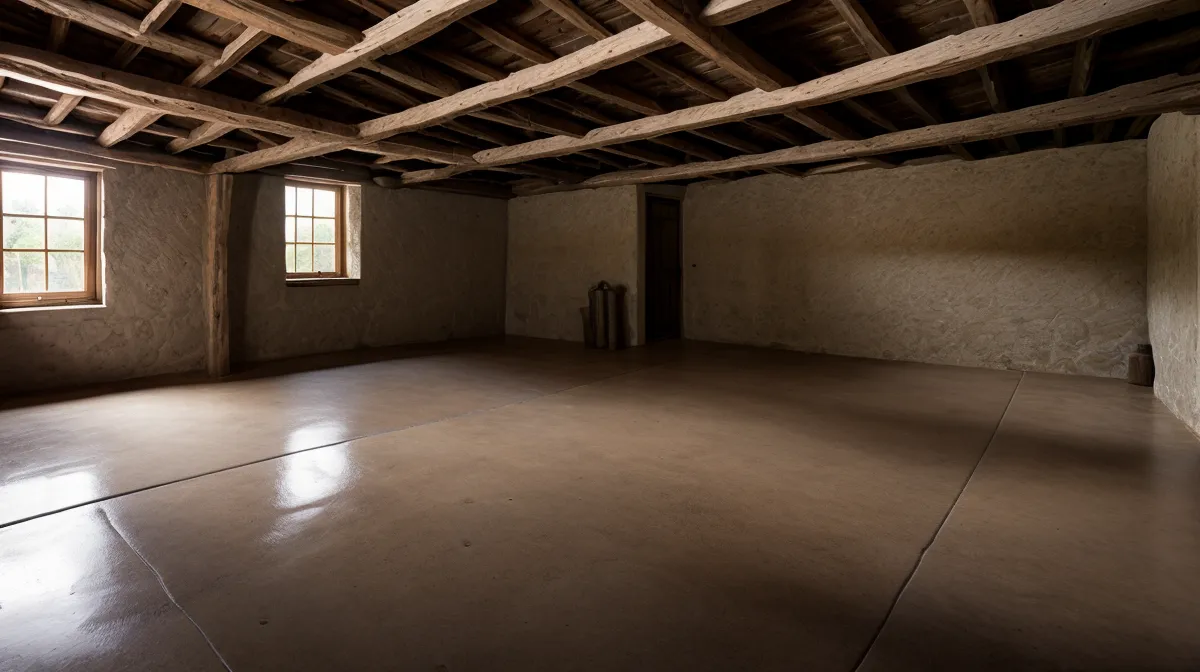
A dripping pipe and a sweating pipe sound exactly the same in a dark basement, the same steady drip-drip-drip that makes your stomach drop, but one is a four-figure emergency and the other is just well water doing what well water does. That mix-up is the most common basement moisture panic I hear about from people new to private wells, and almost every single time, it turns out to be condensation, NOT a leak. Homestead plumbing that runs through an unheated basement sweats hard once summer humidity shows up, and the pipe insulation fix most people reach for first is exactly the one that tends to make things worse.
A Sweating Pipe Sounds Exactly Like a Leak: It Isn't One

The first time it happened here, I went down for a jar off the shelf and heard that drip before I even reached the bottom step. Nearly twenty feet of bare copper supply line was shining like an ice rink overhead, beads rolling together and pooling at the low elbow before raining straight onto the concrete below. No split fitting anywhere. No blown gasket. Just cold water moving through metal in air that was too warm and far too wet to leave it alone.
Reaching up to feel the fitting got me an icy bead of condensation straight down my sleeve, and it was shockingly, almost offensively COLD. Here's what nobody tells you at the hardware store counter: private well water comes straight out of the ground, not out of a city water tower that's spent all day baking in the sun. Shallow groundwater in western Oregon runs a steady 50 to 55 degrees year-round, which is cold enough that a glass of lemonade left on a porch table in July sweats the exact same way a bare pipe does.
Basement air sitting around 70 degrees and thick with summer humidity crosses that dew point the instant it touches pipe that cold, dumps its moisture right there, and leaves you with something that looks exactly like an active leak. Why does a basement that's never flooded in its life suddenly start dripping from the ceiling every June? That's the whole answer, right there.
I still called Ruthanne — my next-door neighbor, and the one person I always end up calling the second anything around here starts to smell off — mostly to make sure a little condensation wasn't about to turn into a bigger problem. She leaned under the pipe, shrugged, and told me water finds the cold spot every single time; that's just physics, not a crisis.
The Fix Almost Everyone Tries First (And Why It Backfires)
A fellow homesteader I know, June Abernethy, told me she did exactly what most new well owners do the first time this happened on her place: grabbed whatever insulation was sitting around, fiberglass batt in her case, and wrapped the pipes tight with duct tape. It felt like a fix. For about two weeks, it was. These days her setup is the one I think of when I want to see what doing this right, years in, actually looks like.
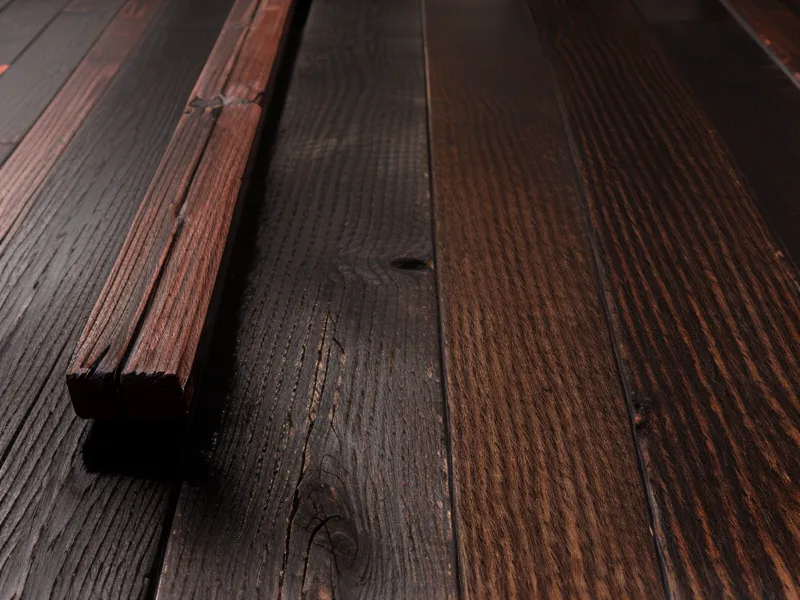
Then she went back down, pressed on the insulation, and it felt like a soaked kitchen sponge. Underneath, the copper had gone green with oxidation, and the floor joist right beside it had turned black with mildew. She'd built a dark, dripping incubator pressed directly against the framing of her own house, which is the single most counterintuitive thing about this whole problem. Insulating a cold pipe without sealing it airtight doesn't stop condensation. It just hides it, and traps it against metal fittings and wood framing where you can't see it happening.
Big-box hardware advice tells you to snap foam tubes over the pipe and walk away, and that's exactly backward if there's any gap for humid air to sneak through. The water still forms right on that cold copper; it just has nowhere to evaporate once it's trapped inside the wrapper, and over one humid summer it'll eat at brass valves, rust steel hangers, and wick straight into a subfloor. If you ever see wide, spreading wood discoloration or suspect a joist has been wet for months, that's a call for a licensed contractor, not a weekend project; a rotted sill plate is not something to mess with on your own.
How to Insulate Well Water Pipes So They Actually Stay Dry
Stopping pipe sweat for good takes two things working together: a pipe covering that's genuinely airtight, so humid air never reaches the cold copper at all, and lower ambient moisture in the room, so condensation has a harder time forming anywhere else. Skip either half and you're just relocating the problem.
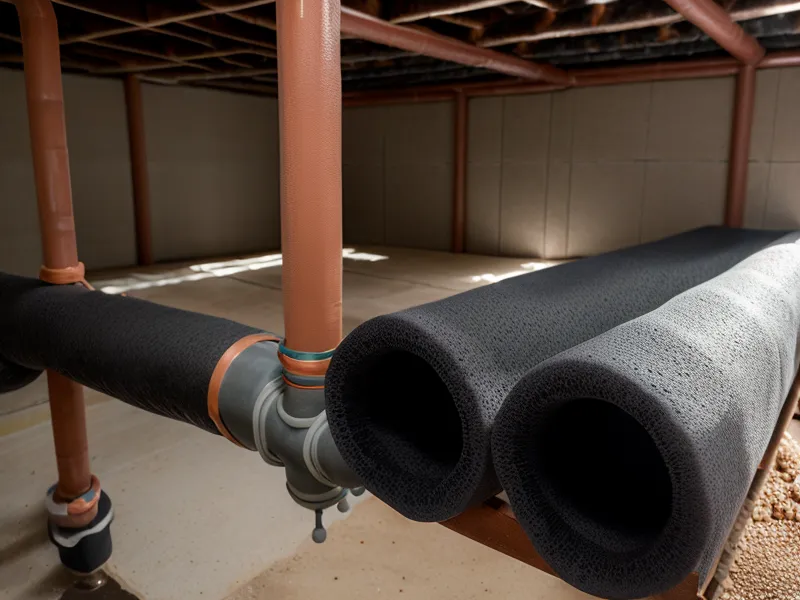
Skip fiberglass and skip the cheap open-cell foam sleeves that feel like sofa cushions too, as both soak up water like a rag. Closed-cell polyethylene tubing or flexible elastomeric rubber sleeves are the only materials that actually work here, because the closed-cell structure itself is an impermeable vapor barrier; water vapor physically cannot pass through those foam cells. I picked up a roll of 3/8-inch wall closed-cell tubing sized for 3/4-inch pipe on a supply run out to Coastal Farm & Ranch in McMinnville, and it's held up for years without a single damp spot.
Most sleeves come pre-slit with a peel-and-stick seam; pull the backing slowly and press the edges together firmly as you go. Plain slit foam without adhesive needs vapor-barrier PVC tape or acrylic insulation tape wrapped over that seam instead; regular silver duct tape dries out, cracks, and peels within about three months in a damp cellar, which is exactly how June found out the hard way. Every elbow, tee, and shutoff valve needs the same care: cut matching angles for clean miter joints at the corners, notch a small wedge for tees so the branch sits flush against the straight run, and wrap every joint with waterproof tape stretched slightly tight so no humid air can creep in at the ends. Don't stop an inch short of the valve body either; wrap brass gate and ball valves right up to the packing nut with self-fusing silicone tape, because a cold valve sweats exactly as fast as a bare pipe does.
Pipe Insulation Alone Won't Fix a Damp Basement
Even a perfect insulation job won't save you if the basement itself sits at 85% humidity all summer; moisture that can't condense on a well-sealed pipe will just go find a cold pressure tank, a filter housing, or a storage box to ruin instead. In older homes with a dirt crawlspace or a partial dirt basement, a heavy 6-mil or 10-mil polyethylene vapor barrier laid flat across the exposed earth does an enormous amount of work on its own. We pinned ours down with smooth river rocks, mostly because the dogs kept dislodging the corners every time they chased a mouse near the hatch.
Active dehumidification does the rest. A continuous-drain dehumidifier set to hold roughly 50% relative humidity, with the drain line run straight out through an old foundation weep hole, keeps the dew point low enough that condensation never really gets a foothold anywhere in the room. That same humidity control is what keeps the rest of a well water setup clean — clear filter housings sweat just as fast as bare copper in a swampy basement, which is part of why a whole house sediment filter is essential for new well owners once you're dealing with well water at all. It's also worth untangling any lingering taste or hardness issues once the air itself stops being the enemy, which is why a reverse osmosis system for well water changed our kitchen life after the cellar finally settled down.
How to Tell the Fix Is Actually Working
These days I'll glance at the pressure gauge some mornings purely out of habit on my way to let the chickens out, and it's sitting exactly where it sat the night before. No slow creep downward, nothing to explain away. Old habits don't let go easy, so I still go check the basement anyway, barefoot, same as always. The floor under the main line stays bone dry. No puddles, no dark spots, no musty smell creeping up the stairs.
That said, not every half-measure holds up, and I'd know; I once decided a single 55-gallon drum sitting in the barn counted as a real backup water plan, which it absolutely did not. Good enough has a funny way of turning out to be not good enough at all, whether that's a water backup or a pipe wrapped in whatever was lying around. The rule that actually holds up here: if humid air can reach cold copper through even one bad seam, one gap at an elbow, or one bare valve body, it will condense there, no matter how much foam you've piled on everywhere else. Seal every inch, pull the humidity out of the room, and the basement goes back to doing what it's supposed to do: storing the winter squash and staying quietly out of your mind.