
A well pump motor demands nearly three times its running wattage just to shudder awake — a fact nobody mentions in the solar generator ads, and one that turned our whole approach to off-grid water and emergency power upside down the night the grid quit on our ridge.
That night the power cut out completely, the chicken waterer was already skimming over with slush, and both dogs paced circles by their empty bowls like the problem was somehow fixable by pacing harder. Ruthanne, our next-door neighbor, leaned over the fence the next morning and said something like, well, your chickens don't care about your amp math, they just want water, which, blunt as it was, turned out to be the only sentence that mattered that whole week.
Before this goes any further, a quick disclosure: this post contains affiliate links, and if you buy through them I earn a small commission at no extra cost to you. I only mention gear and guides we've actually run through real tests out here — you can read the full policy elsewhere on the site.
For years our actual backup plan was a single fifty-five-gallon drum stored in the barn, which we called "resilience" and which did exactly nothing the night it mattered — no pump, no manifold, just a very large, very useless bucket. Meanwhile the three old rain barrels tucked under the porch eave, cobbled together our first spring here, were quietly doing their job the whole time; we just hadn't connected the dots between rain capture and emergency pump power. If you want the short version of what finally worked instead, the Dark Reset framework is the first thing that actually calmed things down around here when every other option looked impossibly complicated.
A Well Pump Motor Does Not Play by Toaster Rules

Growing up running appliances in a Portland apartment, my whole understanding of electricity amounted to this: plug in toaster, toast pops up, done. Motors are not toasters. Electricians call a pump an inductive load, meaning the motor needs a hard jolt just to get spinning from a dead stop, not a steady trickle of current.
Our setup runs a standard half-horsepower submersible pump down in the casing, which pulls around 1050 watts once it's actually running. That number looks perfectly manageable next to a 1500-watt inverter rating — plenty of headroom, right?
Actually, no.
Starting that motor from zero takes a surge, and the going rule of thumb for inductive motor startup is roughly three times the running draw. That means for a split second, our sleepy little submersible is demanding well over 3,000 watts, and if your power station can't deliver that momentary jolt, it just shuts down with an angry beep and leaves your pipes BONE DRY.
There's another wrinkle most compact solar generators don't mention upfront: most deep-well pumps run on 240 volts through a split-phase control box, while the majority of portable power stations only put out standard 120-volt household current. (Fair warning — I am not an electrician or a licensed well contractor, so please get a professional opinion before you go poking around a 240V breaker panel or pressure switch.)
Here's the physical tradeoff nobody puts on the box: more surge capacity means a bigger inverter and a heavier battery, regardless of how little electricity you actually use in a day. You might only need around 500 watt-hours a day to keep your pressure tank filled, but because of that surge, you end up hauling something closer to an eighty-pound anchor across the gravel instead of a tidy little lunchbox battery. That exact headache is part of why we eventually wrote about how we kept our rainwater and livestock lines from freezing without power at all.
Four Backup Strategies, Three Weeks, One Muddy Ridge
Between a late-winter ice storm and the first wave of garden seedlings going into cold ground, we spent about three weeks testing backup power setups and water strategies side by side. We needed something that could survive a hard freeze without frying the gear, and later, hold up through the thirstiest stretch of summer when the garden and the animals are both pulling hard on the system at once. Here's what we actually tried.
SmartWaterBox: Built for Water, Not Just Camping Lights
When what you need is a system engineered around the specific demands of off-grid water rather than just keeping a cooler cold, the SmartWaterBox is hard to ignore. It handled our pump's surge without flinching and felt like it was built for muddy boots, not a living room shelf. The tradeoff is real, though: it's heavy enough that you won't be tossing it in the back of a hatchback with one hand, and pricing on their site tends to shift around depending on stock.
Dark Reset Taught Us to Manage Surge, Not Just Buy Bigger
Without room in the budget for an industrial battery bank, the Dark Reset protocol genuinely changed how we thought about this. Rather than brute-forcing the problem with one massive battery, it lays out a practical way to keep critical loads — water delivery, basic refrigeration — running through extended outages by managing surge and routing power smartly. It's accessible without requiring a second mortgage, though it does ask you to actually sit down and read it; this isn't a plug-in lithium box that shows up on your porch ready to go.
How Atmospheric Generators Can Help with Well Pressure
Late summer is when well levels drop hardest across this part of the Pacific Northwest, and relying on the aquifer alone starts to feel risky. That's part of why we also looked at the Water Freedom System, which focuses on pulling water from the air itself as a supplemental buffer rather than leaning on the pump every single time. It takes some pressure off the well, which ties into our search for a backup water plan that actually works from a while back. The guarantee is generous — sixty days, fully refundable, with instant digital access — but it's worth knowing upfront that it's a guide bundle rather than a physical device, and the printed edition tacks on $9.95 shipping.
Hardening the System With David's Shield
For anyone worried about dirty grid spikes, electromagnetic interference, or a flat-out power collapse, David's Shield digs into contingency planning for protecting the hardware itself. Keeping your generator alive through a voltage spike matters just as much as owning one in the first place. It leans more toward hardware defense and planning than pump-specific plumbing advice, so think of it as the layer that protects everything else on this list.
Staging Water Instead of Oversizing the Battery
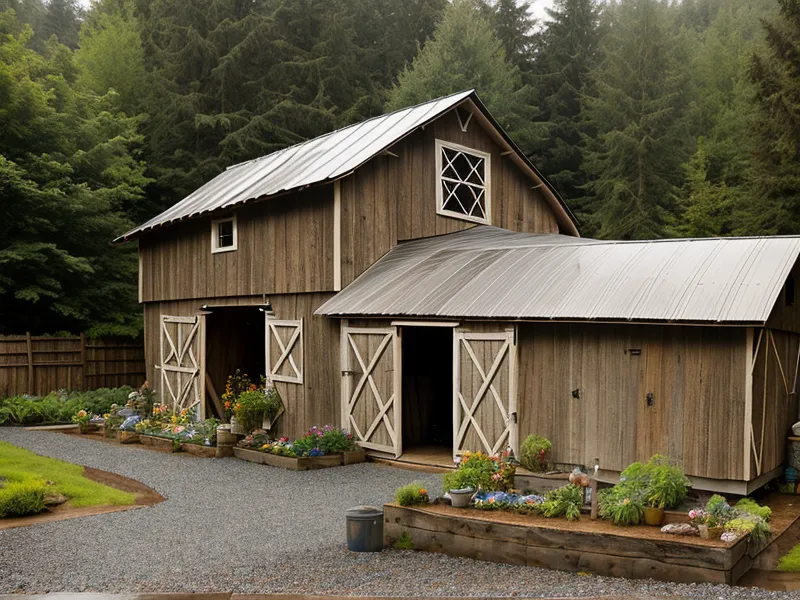
The real breakthrough came down to timing, not horsepower. Hauling the biggest lithium cart on the market across slick clay while keeping it dry in an Oregon downpour is miserable, and we figured out we didn't need to run the big pump constantly if we staged the water instead.
So now the main pump runs once to fill elevated holding tanks, and a small 12-volt RV-style transfer pump — pulling barely 60 watts — handles pressurizing the lines for the dogs and chickens the rest of the day. That little transfer pump came off a dusty shelf at Coastal Farm & Ranch in McMinnville, the kind of store where the guy behind the counter actually knows what amperage means. Pairing that staging approach with the surge planning from Dark Reset saved our budget and our backs, and it connects directly to what we later wrote about preventing well pump overheating during dry summer spells.
June Abernethy, a homesteader I know through our local rural water cooperative, emailed me the exact question I hadn't thought to ask myself: why does a little well pump need such a huge power cushion in the first place? True to her habit, she'd already attached her own well's test numbers before I'd even replied. Switching the whole pump over to solar power — rather than just keeping it alive during outages — is its own separate project with its own math, and the pressure switch that decides when the pump kicks on in the first place is a whole topic by itself too.
By week ten of running things this way, the chicken waterer had gone a full week without me topping it off by hand — the first time that had happened all winter. We still don't have a fancy tank monitor pinging anyone's phone; we just listen for the pump cycling and check the gauge, which used to sit around 38 PSI in the gray hour before sunrise and sag the second the pump clicked off.
Heading Into Winter With an Actual Plan
Looking out at the pasture right now, the drizzle is steady and the sky is gray, but the knot that used to live in my stomach during every outage is gone. The lesson that actually stuck wasn't about any specific product — it was that a bigger battery isn't the same thing as a smarter system, and staging your water demand will get you further than brute-forcing everything through one overloaded inverter.
If winter ice or summer drought is bearing down on your own patch of land, don't wait for the power lines to snap before you've worked out your pump's real surge needs. Run the math honestly, decide whether you're solving a power problem or a water-storage problem, and get a plan in place before your pressure tank goes quiet on you too — the table below breaks down exactly where each option we tested landed.
| Product | Rating | |
|---|---|---|
| SmartWaterBox Top Pick | 9.4 | Read More → |
| Dark Reset | 8.8 | Read More → |
| Water Freedom System | 8.4 | Read More → |
| David's Shield | 8.0 | Read More → |
Dark Reset
Pros
- ▸ Incredibly budget-friendly alternative to massive industrial power setups
- ▸ Clear step-by-step guidance for managing high-surge homestead loads
- ▸ Helps prevent costly inverter burnouts during sudden grid outages
- ▸ Practical and realistic for everyday homesteaders without electrical backgrounds
Cons
- − Requires hands-on setup and planning rather than an unbox-and-plug experience
- − You will still need your own basic solar hardware and battery cells