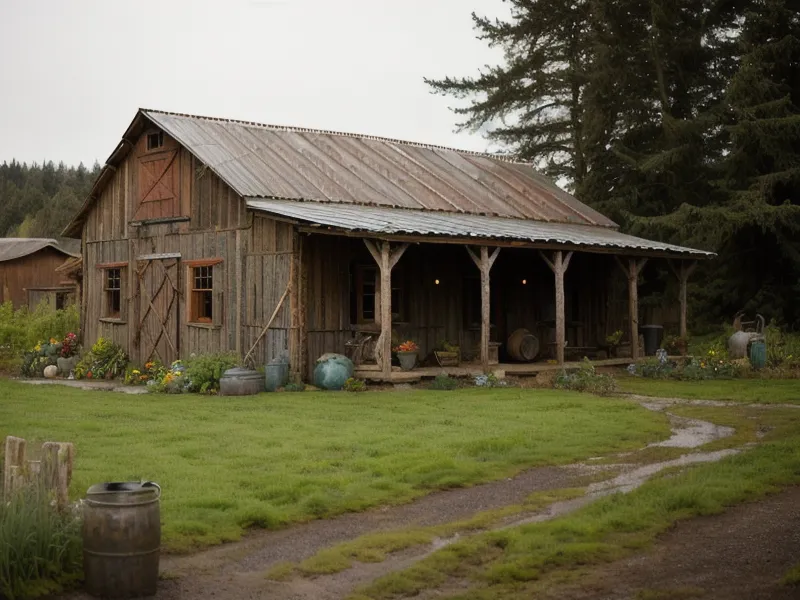
One hundred and twenty gallons: that's the combined capacity of the three blue barrels catching rain under our porch eave, and last August, during the driest stretch of the year, all three sat empty enough to echo when I knocked on the side. That gap between what our well and our rain barrels can produce and what fifty tomato plants and a flock of very opinionated chickens actually drink is the reason we added a DIY atmospheric water generator to our garden irrigation and off-grid water plan this year.
Quick disclosure before we go further: this post contains affiliate links, and buying through them earns me a small commission at no extra cost to you. I only mention gear that's actually been tested on our five acres, usually after a solid amount of trial and error.
When the Rain Barrels Run Dry
Here's the short version, if you only read one paragraph of this: a well has a recovery rate — the pace it refills at — and a long dry stretch out here can outpace that no matter how deep your well runs. We'd already learned how to avoid a well running dry the hard way, from a summer where our pump ran itself dry and nearly cooked the motor, so treating the well as the only source stopped being an option. Rain barrels help until they don't, and an atmospheric generator became a third leg of the stool instead of a replacement for either.
Rainwater harvesting off a metal roof is legal without a permit in Oregon, which is one of the few pieces of good news in all this, and our rainwater harvesting barrel setup has been catching roof runoff since our first winter here. What that setup doesn't do is scale — three forty-gallon barrels are a rounding error against what a garden needs in July, and no amount of clever plumbing turns a fixed storage capacity into more water than fell from the sky in the first place.
How Does Atmospheric Water Generation Actually Work?
Atmospheric water generation sounds like science fiction until you remember it's the same principle as a cold glass of lemonade sweating on a porch table — pull moisture out of humid air and collect the condensation. Commercial units built on that principle can run into the thousands of dollars, which put them well outside a hobby farm budget, so I went looking for something buildable instead.
The version I settled on is a DIY guide called the Water Freedom System, which walks you through assembling your own collection setup from parts most hardware stores carry rather than shipping you a finished machine. It backs the guide with a sixty-day money-back guarantee and instant digital access, and I paid the extra shipping fee for the printed copy anyway, because a laptop does not survive well in a barn.
Building it took patience more than skill: PVC pipe, a collection coil, and enough relative humidity in the air overnight for the system to condense anything worth collecting, which our summer nights provide even when the days are bone dry. The water passes through a basic sediment stage before it goes anywhere useful, and because it started as vapor rather than groundwater, it skips the iron and mineral staining that shows up in a lot of well water around here entirely.
Building the System: What It Actually Takes
Every fitting for the build came from one trip to Coastal Farm & Ranch in McMinnville — tubing, connectors, a spool of food-grade line — and the whole project got tracked from our mudroom, which has quietly turned into water-system mission control, with a pressure gauge taped up at eye level and a hand-drawn map of every pipe and valve tacked over the utility sink. Anything running outside needs to come apart before the first hard frost, since none of it is built to survive freezing the way our buried well line is. Some homesteaders take the independence idea further and swap the pump itself for a solar-powered setup, though that's a bigger project than I've taken on.
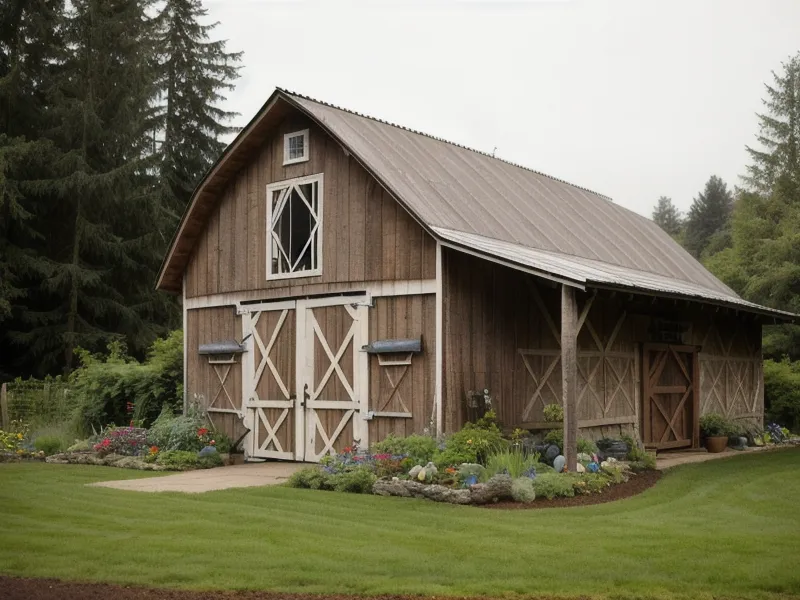
My actual backup plan, before any of this, was a single fifty-five-gallon drum sitting in the barn that I called insurance and never once tested. When I finally needed it, half the water had evaporated out through a lid that never sealed right, and what was left had gone green with algae. That failure is the whole reason I wanted something I could check on and actually trust, not just a barrel I assumed was fine.
Ruthanne Dalby, our next-door neighbor, took one look at the tangle of PVC and zip ties and said it looked like a science fair project that lost, which is fair and probably the most accurate review the system has gotten so far. I'm not a plumber and have no engineering training, so anything that sounds like a real mechanical judgment call — pressure, wiring, structural load — goes to a licensed professional instead of my rubber mallet.
You're Trading One Dependency for Another
Every glowing review of this system talks about total self-reliance, and that framing skips something I noticed halfway through the build: the water only stays drinkable for humans because of specific proprietary filters, which means you've swapped dependence on a city water line for dependence on whoever manufactures those cartridges. For garden use alone, none of that matters much — the tomatoes don't care about filter brand loyalty.
I still run a SmartWaterBox tank monitor as a second check on the whole setup, because I don't trust my own handiwork enough to skip having a backup to the backup. Watching a tank level from a phone app instead of walking out to eyeball it has saved me more than one trip down a muddy path at night.
June Abernethy, a friend from our local rural water co-op meetings, still emails me her well water test results without me ever asking, and that habit alone is smarter than anything I've built with PVC pipe. Some neighbors run a UV disinfection stage on their well line after heavy rain, and others have had to shock a contaminated well with bleach after flooding — neither of those is what this system does, and a full whole-house filtration setup for drinking and bathing water is a completely separate project from a garden-only condenser.
I still remember the afternoon the sulfur smell finally lifted from our well line for good, and I rinsed garden lettuce straight under the kitchen tap without flinching at the smell first — that's the bar I hold any backup water source to now, filtered cartridge or not. Anything that doesn't clear that bar stays in the garden and out of the kitchen.
Where It Fits Alongside a Well and Rain Collection
The collection line now runs on a gravity-fed drop straight to the chicken run and the raised beds, no pump required for that last stretch. One of our Brahmas tried roosting directly on the collection coil the first week and looked deeply offended that her new perch was cold and wet, though she got over it fast enough once she noticed the extra water in her bowl. Anyone who has actually tracked daily water requirements for chickens knows a thirsty flock turns into a loud, grumpy flock fast, and a spare gallon or two from the air most days means fewer trips hauling buckets from the house.
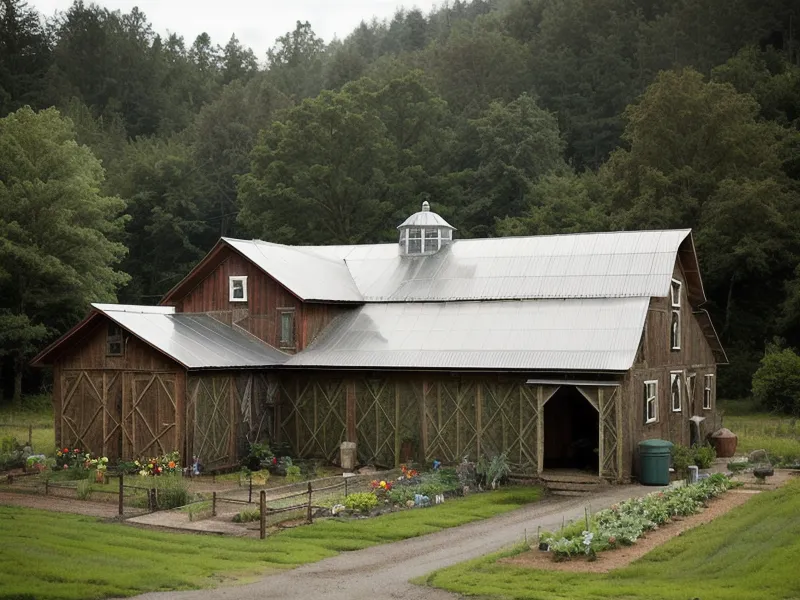
That pressure tank is still what actually protects the well pump from short-cycling itself into an early grave, and I check it more than I probably need to — every November the gravel path down to the well head turns to soup, and I can feel the cold mud working through my bootlaces by the time I reach it. Whether a well is shallow or drilled deep changes how much backup capacity actually makes sense, and ours sits deep enough that a second well was never a cheap or simple answer.
Drilling a second well brings its own headaches too, since siting and setback rules control how close a new well can sit to a septic system or a property line, and that alone ruled out the spot we would have picked. Reusing greywater from the laundry is another supplemental option some homesteaders add to the mix, though we haven't set that up here yet.
Is This Backup Worth Adding to Your Irrigation Plan?
So, is it worth the zip ties and the occasional crying fit over tangled PVC? If your well and rain barrels already cover the house and it's your garden or your livestock that runs dry first during a drought, adding a DIY air-to-water setup earns its keep as a third layer of insurance rather than a hassle. If you're hoping it replaces a well entirely, skip it — the filter dependency and the build time make it a poor fit for anyone looking for one single, total solution.
For us, adding the Water Freedom System to the irrigation plan meant one less thing to panic about every time the forecast showed another dry stretch, and the zucchini has never looked better for it. If you want the fuller rundown of costs and whether it fits your own garden, the detailed breakdown here covers that in more depth than I have room for in one post.