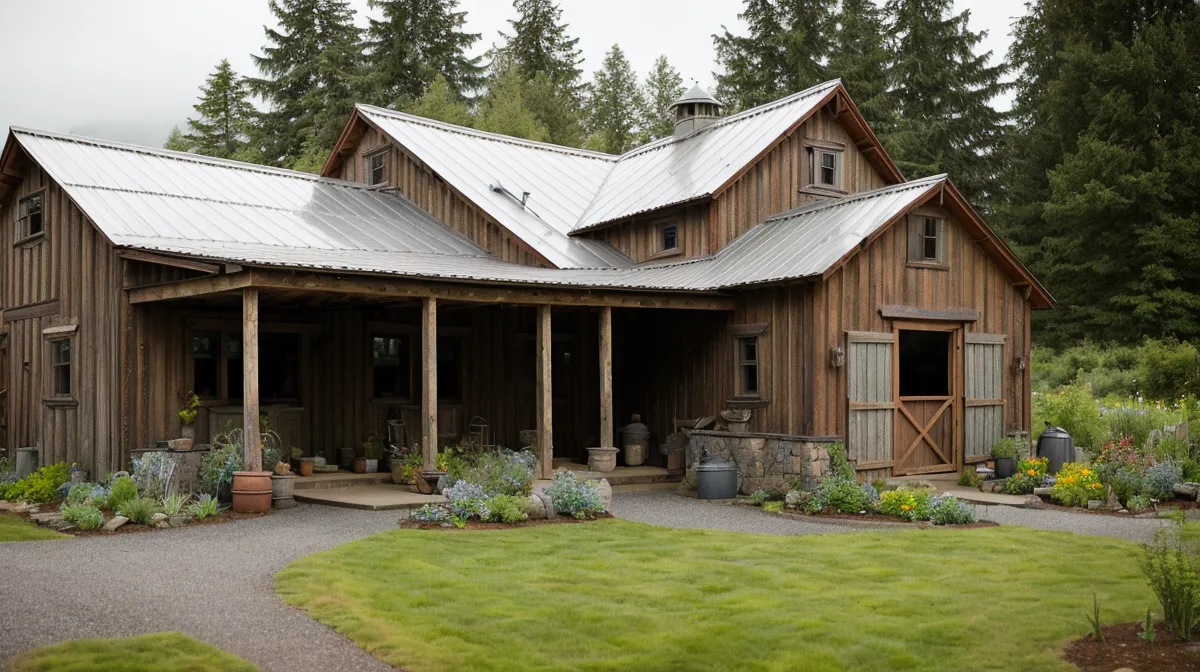
Our garden hose went from water to wheezing air with nothing in between: no sputter, no slow drip, just gone. That's the part of rural water independence nobody mentions when you're apartment-hunting out past the suburbs: wells fail silently, and emergency backup systems only earn their keep if you build them before the day you actually need them. I run a five-acre hobby farm with chickens, a garden, and a well that's taught me more about well water maintenance than any landlord ever did.
Quick disclosure before I get into the comparison I keep coming back to: some of the links below are affiliate links, meaning I earn a small commission if you buy through them, at no extra cost to you. I only mention gear we've actually tried out here on our acreage, including the stuff that flat-out didn't work, which you'll hear about too.
A reader named Corinne emailed me a while back after reading a post about our pump running dry. Her well runs shallow, and her nerves run a little shallower still, which I say with real affection, because she overthinks every decision in a way I've come to find oddly comforting — it means she asks the questions I forgot to ask myself. Her question was simple and also one of the hardest I get: when something finally fails, do you fix it at the source, or build a second source entirely? I didn't know a thing about common well water problems for people moving from the city until that first dry afternoon forced me to learn, and three years in, I still think about her question more than almost any other.
Two Routes to Rural Water Independence
Everyone assumes you have to pick a side, but you don't. Homesteaders tend to fall into one of two camps, and I've watched the argument play out in real time, including between two vendors debating the point at the Eugene Saturday Market while I was buying tomatoes. Camp one says trust the ground: fix the well, the pump, everything downstream of it. Camp two says never trust a single source: build a backup above ground that doesn't care what the aquifer is doing. I used to think you had to choose. Now I think the honest answer is understanding both well enough to know which one is failing you at any given moment.
The Ground Lets You Down Slower Than You'd Think
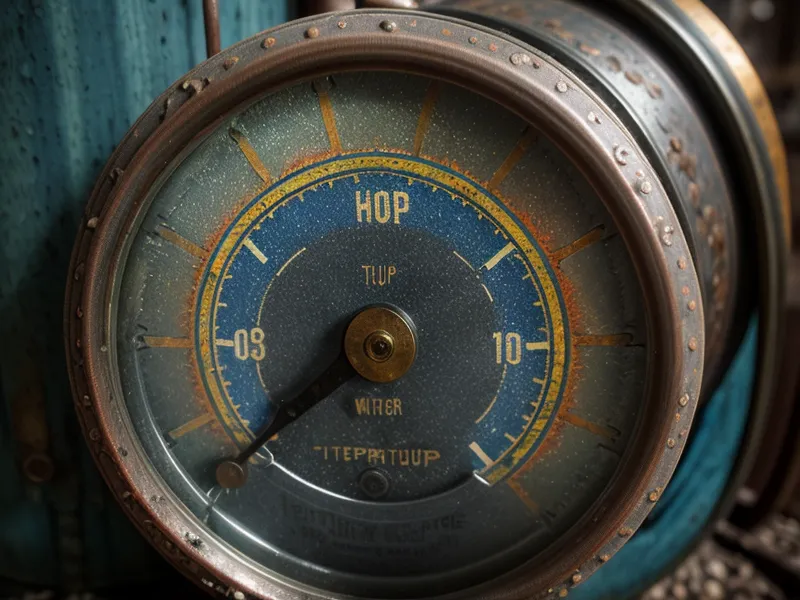
Our well is the "paycheck" version of water: it shows up regularly until the month it doesn't. Ground-side maintenance turned out to be less about one big fix and more about a dozen small habits: knowing roughly how fast our well recovers after a heavy draw, keeping an eye on the pressure switch that tells the pump when to kick on, and learning that a full-sounding tank does NOT mean a healthy one. I learned the hard way that a pump will keep straining against a dry hole if nothing tells it to stop, which turns a slow problem into an expensive one fast. Sediment and iron staining taught me to actually test what comes out of the tap instead of guessing, and after we treated for it, I remember rinsing a head of garden lettuce under the kitchen faucet and realizing, almost by accident, that the sulfur smell that used to hit me first thing in the morning just wasn't there anymore.
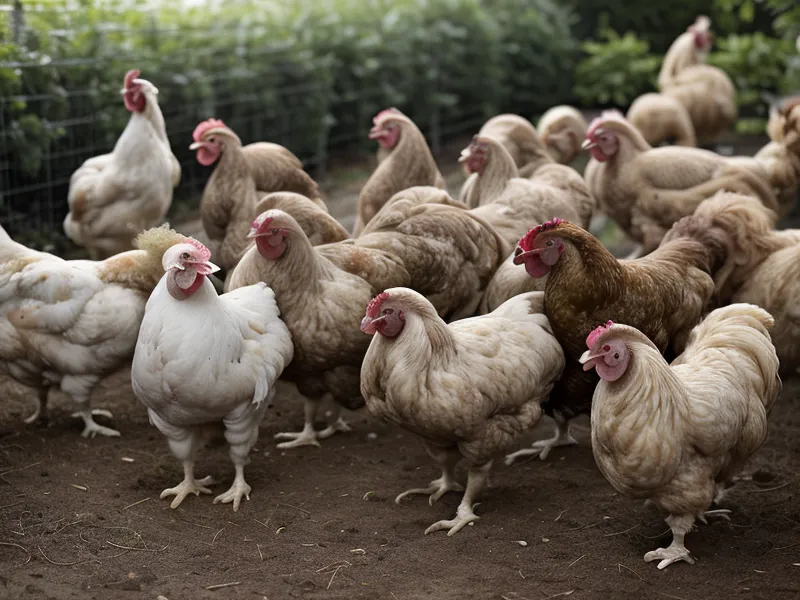
There's more to the ground side than most new owners expect — how deep a well sits, where it was drilled relative to the septic field, whether storm runoff can sneak into the casing and cloud everything up, even how much a flock of chickens actually drinks once you add one thirsty bird up across the whole flock. None of that is dramatic on its own. It adds up to the difference between a well that quietly works for decades and one that quietly fails you at the worst possible time.
What Happens When You Look to the Sky Instead?
The sky side is the "savings account" version — slower to fill, but it doesn't care what the water table is doing. Rain collection was our first attempt, and it works beautifully right up until the one season you need it most, because Oregon rain and Oregon drought tend to show up exactly when you'd expect them not to. Gravity moves the water from tank to garden without a pump, which felt like magic the first time I didn't have to flip a switch for it. Storage capacity matters more than people think — a tank that looks huge empty looks tiny once a dry month hits.
That gap is what pushed me toward something that didn't depend on rain falling at all. I started looking at SmartWaterBox as a way to pull usable water out of the air itself, independent of both the well and the weather. I'm still not an engineer, my one attempt at fixing a leak with duct tape and good intentions proved that pretty conclusively, but a plug-in system that makes water instead of just storing it felt like a genuinely different category of backup, not just a bigger bucket. I'd written about a smaller version of the same idea for the garden in a post about why I built a water freedom system for my greenhouse plants, and that experiment is what made me take the house-sized version seriously.
Not every backup plan survives its first winter, for what it's worth. I once wrapped the exposed feed pipes running to our storage tanks in old bath towels instead of buying actual foam pipe insulation, telling myself fabric was fabric. It froze solid during the first real cold snap anyway, split a fitting, and cost me an afternoon I didn't have to spare. A UV unit on the storage side, a little monitoring on the tank level, and real pipe insulation instead of my towel experiment are the unglamorous parts of the sky option that actually make it reliable instead of just hopeful.
Choosing Between the Two When It Actually Matters
My friend Priscilla, who I met at a seminar back when neither of us owned an acre yet, panics first and researches second — her instinct in any water scare is to buy every gadget she sees before she's figured out which problem she actually has. I love her for it, but it's the wrong order. If your well recovers quickly and your pressure tank isn't the first thing to complain when two faucets run at once, the ground option probably just needs better monitoring, not a second system bolted onto it. If your well runs shallow, if you've already had one dry-pump scare, or if a single point of failure keeps you up at night the way it used to keep me up, the sky option earns its cost faster than you'd expect. For us, the honest answer ended up being both: the well for daily life, and something like the SmartWaterBox or the Water Freedom System sitting in reserve for the week the ground lets us down. Dogs don't care about any of this analysis, for the record. Mine just stand at an empty hose looking personally betrayed, like I did it on purpose.
A Note on What I'm Not Qualified to Tell You
I still mix up which way the shut-off valve turns more often than I'd like to admit, and I am not a well technician, a plumber, or anyone's idea of an engineer. If your pressure tank, your pump, or anything wired near your well starts acting strange, please get a licensed well professional involved before troubleshooting electrical components yourself — water and electricity are a genuinely bad mix. Pricing on any of the tools mentioned here shifts around the way Oregon weather does, so check the current numbers on the vendor page rather than trusting whatever I remember.
Somewhere behind me right now, a chicken is almost certainly drinking out of the dogs' water bowl again. Go check your pressure gauge, friends, and build the backup before the day you actually need it.