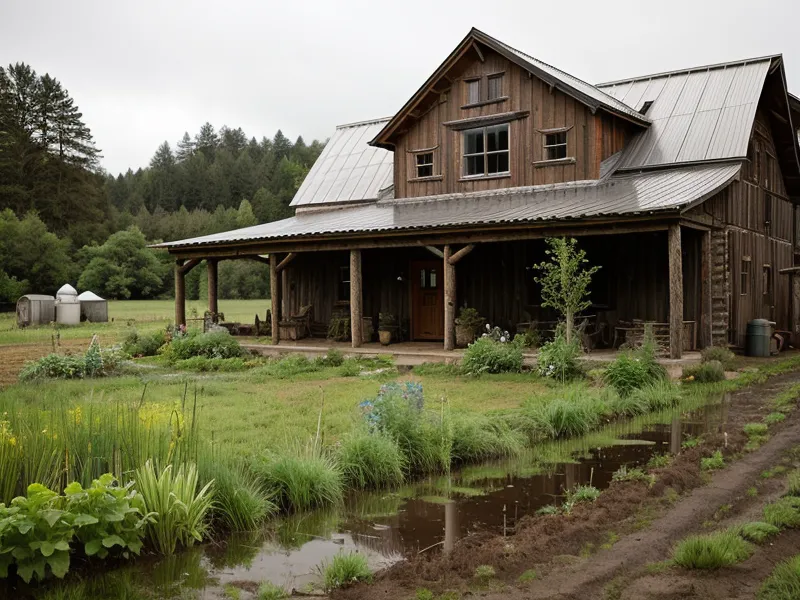
My greenhouse wanted water. My well wanted to be left alone. For two summers those two facts fought it out on our five acres, and the well kept winning, which is really just a nicer way of saying my pepper plants kept losing. This is the story of the greenhouse irrigation setup that finally ended the fight — a scrappy water-independence project built out of stubbornness, a lot of googling, and the kind of DIY homesteading logic you only develop after you've lived through a dry well on an off-grid property.
Quick disclosure before we go further: some of the links below are affiliate links. If you buy through them, I get a small commission at no extra cost to you, and I only point people toward gear that's actually earned a spot on this farm, mistakes included. The rest of my disclosure policy lives elsewhere on the site, if you want the fine print.
My Well Already Knew What Panic Felt Like
We moved here from a one-bedroom apartment in Portland with exactly zero practical water knowledge between the two of us. Three months into owning this place, we ran the well dry — no showers, no toilets, and a repair bill that still makes my stomach drop when I think about it. Ever since, the second real summer heat shows up, I get a nervous twitch near the well pressure tank, like it's going to tattle on me.
Before the greenhouse ever became the problem, I'd already tried solving our well-water worries the cheap way, a countertop pitcher filter from the hardware store, the kind you fill at the sink and mostly forget about. I convinced myself that was plenty for well water. It wasn't, and figuring out why took longer than I'd like to admit. If you want the long, humbling version of how I ended up back in that quiet-well nightmare again, I've written about it before.
275 Gallons Sounded Like Plenty — Until It Wasn't
This year I thought I'd finally outsmarted summer. We had a standard IBC tote — one of those big white cubes in a metal cage — holding 275 gallons, parked right outside the greenhouse door. I did the math on paper and felt very proud of myself: a vegetable garden needs roughly half an inch of water a week, so 275 gallons should carry my tomato and pepper starts through practically anything. Except a greenhouse isn't a garden. It's an oven with a roof, and once the Willamette Valley sun gets through those panels, that number might as well be cut in half.
Our original backup plan for the greenhouse had always been rain collection — three forty-gallon barrels stacked under the porch eave, left over from our very first winter here. They're still out there, still working, and I'm fond of them the way you're fond of a car that starts most mornings. But rainwater harvesting has a flaw nobody mentions in the pretty blog posts: in a high-evaporation environment like a greenhouse, the water you worked so hard to collect over a wet Oregon winter is often gone long before the plants need it in August. By the time the real heat came, those barrels were air.
Greenhouse Irrigation on Thin Air
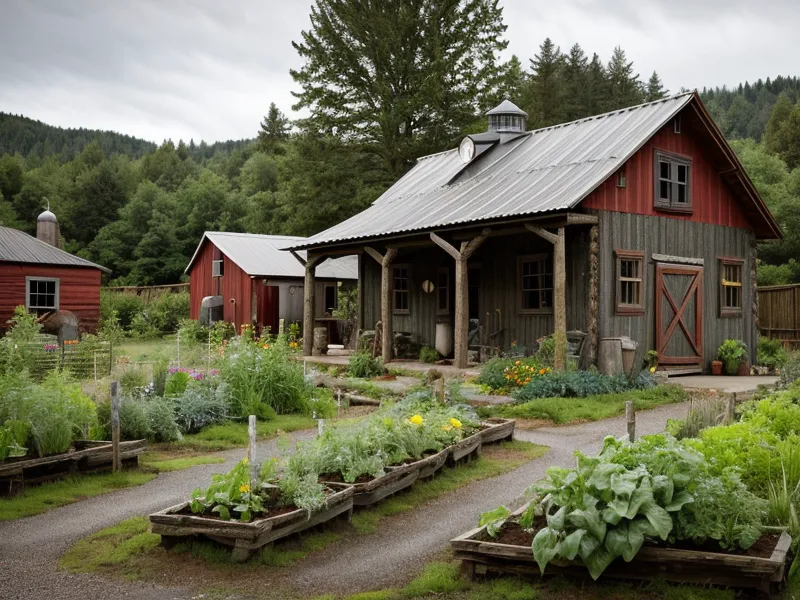
The real breaking point hit during the first week we touched 100 degrees. My dogs were flattened in whatever shade they could find, panting like they'd run a marathon, and I was standing there with a watering can trying to keep a greenhouse alive one cupful at a time. Pulling more from the well wasn't an option I was willing to live with again. So I went looking into atmospheric water generation, which sounds like science fiction but is really just a fancy phrase for condensing the humidity already sitting in the air around my plants.
That's how I landed on the Water Freedom System guide. I was skeptical going in, because the internet is absolutely lousy with miracle water gadgets, and I've fallen for enough of those to be suspicious on principle. What got me was the idea of a closed-loop setup pulling moisture straight out of greenhouse air instead of asking the well for another drop — plus the fact that the guide comes with a 60-day money-back guarantee, which was honestly the only reason I let myself spend money on it at all.
Building It Wrong Before I Built It Right
Putting it together was its own small disaster. One sticky morning in the greenhouse, surrounded by fittings and a printed guide going soft in the humidity, I tried rigging the intake line with an old shop-vac hose instead of buying the right part. It collapsed under its own suction about four minutes after I turned the system on, which is a very specific kind of embarrassing when your neighbor is standing right there watching.
Ruthanne from next door happened to be walking over with something from her garden right when the hose gave out and soaked both of us. She didn't even blink. Just looked at the puddle, looked at me, and said something about how newcomers always think a hose clamp is optional, right up until it isn't. She wasn't wrong, exactly. I went back to the Water Freedom System guide, actually read the instructions this time instead of skimming them, and did the intake line properly with the fittings that came in the kit.
When the fix finally held, the hose bib breathed out that faint metallic-sweet tang well water gets the second a pump kicks on. A smell I used to dread, except this time it didn't bother me one bit, because I knew it wasn't costing the well anything. The system was actually running. It just WORKED, finally, after all that. I was pulling usable water out of thin, hot Oregon air, which still sounds made up even though I watched it happen.
Here's the part most greenhouse advice skips entirely: evaporation inside a greenhouse is brutal no matter how many gallons you've got stored. The dew point and humidity swinging around inside those panels are the real enemy, not a shortage of rain — which is exactly why a closed-loop system beat stacking more rain barrels under our porch eave.
The Quiet Kitchen Faucet Test
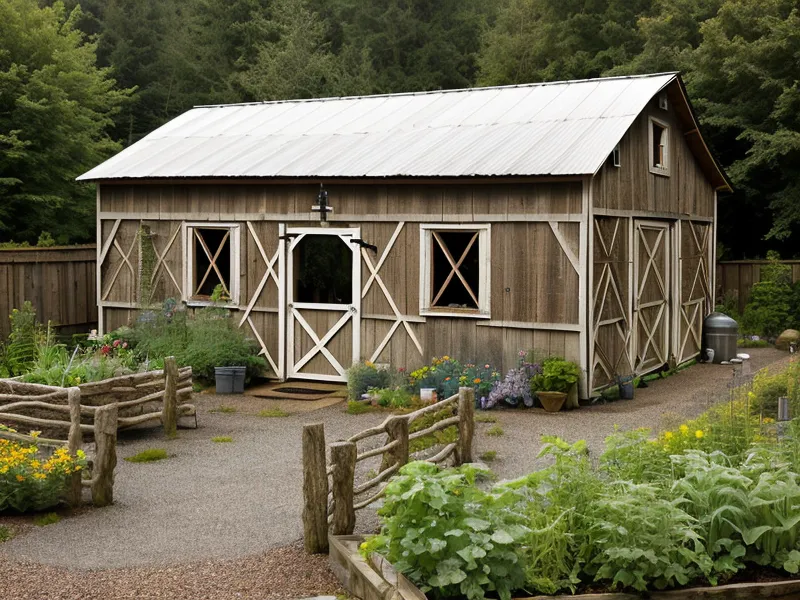
By the time the mid-September harvest came around, my greenhouse was embarrassingly green while half the neighborhood's gardens looked like straw. The chickens figured out that the greenhouse door doesn't latch quite right once the humidity swells the wood, and I caught two of them standing in there like they owned the place, pecking at dropped tomato leaves. Worth it, honestly, even with the cleanup.
Around six weeks into running the system full-time, I walked into the kitchen at six in the morning, turned the tap on out of habit, and just stood there a second. The water ran clear and cold, with no rust ring starting in the sink the way it sometimes used to after a hard pumping week. I still tape pressure numbers where I'll actually see them, by the mudroom door, more out of old habit than real worry these days, and I didn't need to walk the gravel path down to the well head that morning just to check. Ruthanne would probably call that the well's recovery rate finally catching up now that nothing's dragging on it all summer, and she's probably right. Who knew a quiet tap could feel like a reward?
June, a fellow homesteader I know from a rural water co-op meeting, heard about the setup and sent over her own well test results without me even asking — that's just how she operates. Her question was the right one: did this actually take pressure off the well, or did it just feel that way? Six weeks of a steady, quiet pressure gauge is the closest thing I have to proof. The lesson I keep coming back to isn't really about greenhouses at all. The biggest water win on a homestead usually isn't finding more water, it's finding one thing you can stop asking the well for.
If you're still nervous about your well, or just tired of feeling one dry week away from a crisis, building some kind of backup is worth the hassle, whatever form fits your setup. I also keep an eye on the SmartWaterBox as a plug-and-play option for general water security. It's not what I used for the greenhouse, but it's a solid, simpler route if you don't want to build anything yourself, and you can read more about in my review here.
For the greenhouse specifically, this is still the project I'm proudest of since we moved out here. You can find the same guide I used for the Water Freedom System here — it's not a substitute for a licensed professional looking at your well or your home's main plumbing, so talk to someone qualified before you touch either of those, but for a greenhouse running on its own water supply, it's held up through a whole summer without a single call to the well.
Now if I could just train the chickens to stay out of the kale, I'd really have this homestead figured out. One battle at a time.