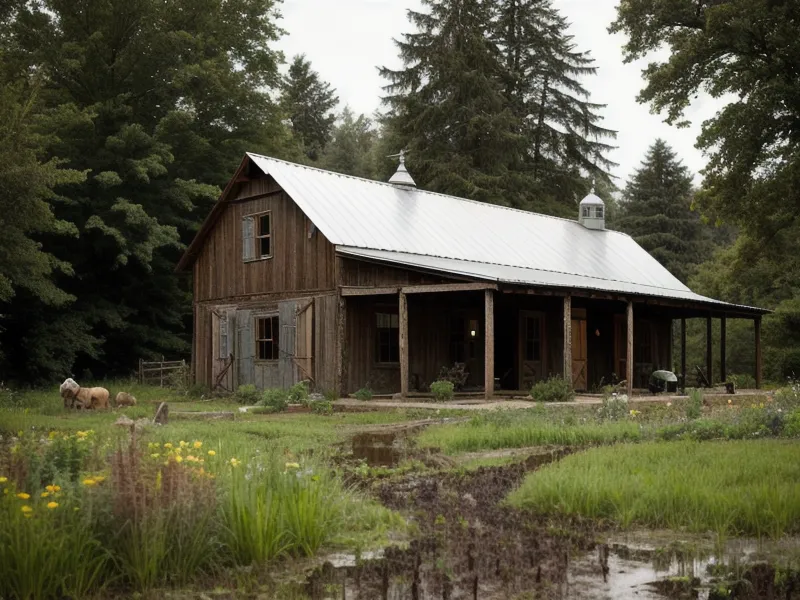
A well that's merely tired behaves nothing like a well that's actually empty, and mixing up the two is how half the rural transplants I know end up standing in a mud puddle with a garden hose and no plan. Well management out here isn't about pipes and pumps so much as learning to read a system you can't see. Water security on five acres comes down to boring questions asked early, not dramatic fixes asked late, and that's the whole of homestead infrastructure, really.
Quick note before we get into it. Some of the links below are affiliate ones, meaning I get a small cut if you buy through them, at no extra cost to you. I only mention gear that's actually lived on our five acres long enough to earn an opinion, good or bad. I'm not a hydrologist or a licensed well contractor, just someone who broke her own water system enough times to have real questions and real answers.
Is the Well Actually Dry, or Is Something Else Going On?
Most people assume a slow trickle means the well is going dry, but that's not always true. A struggling pressure tank or a clogged line can fake the exact same symptom. I wasted a full afternoon assuming the worst before I'd even ruled out the simple stuff, the first time our flow died mid-hose. If you're newly rural and none of this is intuitive yet, I wrote a longer breakdown of common well water problems for people moving from the city that covers the basics I wish someone had handed me on day one. And before you spiral about contamination or depth, get the water itself tested by a lab instead of guessing from taste or smell. That's its own whole process I won't try to cram in here.
Recovery Rate, Pressure Tanks, and the Numbers Nobody Explained to Me
Two terms took me embarrassingly long to understand: recovery rate, which is how fast a well refills itself once you stop pulling from it, and the pressure tank, which is the part cycling your pump long before the well itself is actually struggling. I've written about both in more depth elsewhere, so I'll leave the mechanics there. Just know they're not the same problem, and confusing one for the other means you might replace a part that was never broken. What actually calmed me down was writing through why I stopped panicking every time the garden hose ran low, because most rural water stress is just not knowing what's actually normal.

Winter Breaks What Summer Never Touched
Summer nearly broke us with scarcity, but winter broke actual pipes, a different problem entirely, and one that caught me completely off guard. A frozen line split open behind the pump house one January morning, and the water loss had nothing to do with how much was underground. Gravity-fed systems get recommended everywhere for backup water, and I get why. No pump, no power needed, water just moves downhill. But gravity-fed distribution has its own failure points in a cold snap, and I'm not the right person to walk you through the engineering of it since that's not something I've tested thoroughly enough to teach. What I can tell you is that I spent that morning driving the McKenzie River Valley backroads at a crawl, looking for a hardware store open early enough to sell me a pipe fitting, while the dogs sat in the truck fogging up the windows and clearly judging my life choices.
What About Rainwater, Filters, and Shocking the Well?
People ask me constantly whether rainwater harvesting can just replace well dependence entirely, and the honest answer is: not fully, not here, though it helps more than you'd think for anything that doesn't need to be potable. Sediment filtration is a separate question again, that's about protecting appliances from grit, not about making questionable water safe to drink, and UV disinfection is its own layer on top of that for after-storm cloudiness, which I'm not going to pretend to teach in a few sentences. I did try a countertop pitcher filter early on, fully convinced it would handle whatever was in our well water, and it did NEXT TO NOTHING. Those things are built for city tap water with chlorine and the occasional off taste, not for whatever our well was actually carrying. Well shock chlorination is the other term people throw around after a flood or a contamination scare, and it's serious enough that I'd rather point you toward someone who's actually walked through it start to finish than half-explain it here.
Do You Actually Need Water Security Data, or Just a Better Guess?
Here's the real question underneath all of this: do you actually know what's happening underground, or are you just hoping? For most of our early stretch out here we were purely hoping, which is a stressful way to run a household. We eventually put in the SmartWaterBox to get real numbers instead of vibes, and having tank-level monitoring in place is directly tied to the one failure it would have caught, the summer the pump ran dry with nobody watching the levels at all. That's not a small thing. A monitor doesn't prevent a drought, but it tells you trouble is coming before your hose turns to mud.
June Abernethy, a fellow homesteader I know through our local rural water co-op, is the person whose setup I look to when I want to see a water system running well a few years in, she's the one who talks me through my own numbers when I second-guess myself. These days when I rinse garden lettuce under the kitchen tap, there's no sulfur smell hanging in the water the way there used to be, and that alone tells me more than any gauge does. If you want a broader rundown of the monitoring options out there beyond just the one we picked, I put together keeping the pump humming with different monitoring tools that goes through more of them.
The One Change That Actually Stopped the Guessing
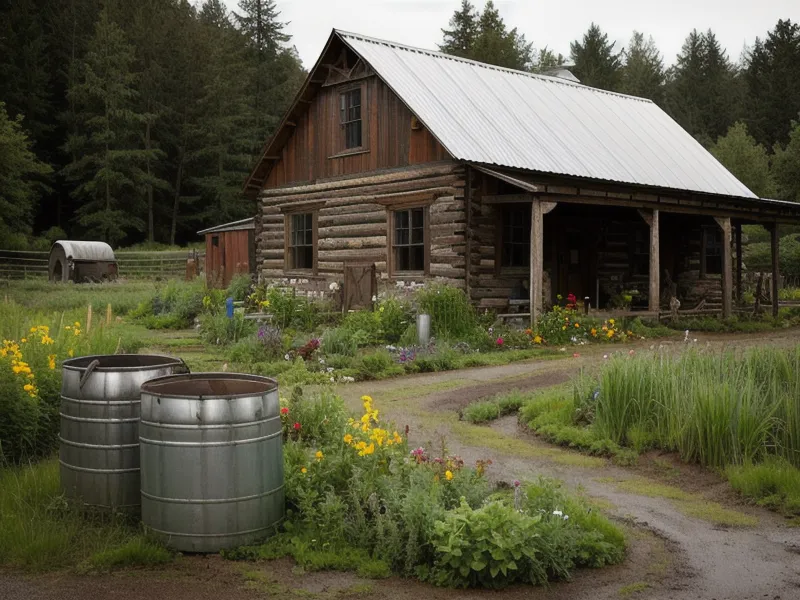
We're not hauling water in a panic anymore, and the dread I used to feel walking past the pump house is mostly gone. We still use the SmartWaterBox to keep an eye on where we actually stand instead of guessing, and for us that peace of mind has been worth it. My neighbor Ruthanne is usually the first call when something smells off in the water or the air out here, and even she admitted our setup finally looks like it knows what it's doing instead of limping along on zip ties.
Rural living rewards the boring, unglamorous habit of paying attention far more than it rewards any single gadget you buy, the gadget just makes the paying-attention part easier. Ask the annoying questions early: get your water tested, understand what your pressure tank is actually doing, know your well's recovery rate before you need to know it. Do that, and the silence from the pump house stops being something you dread and starts being just another sound on the property.