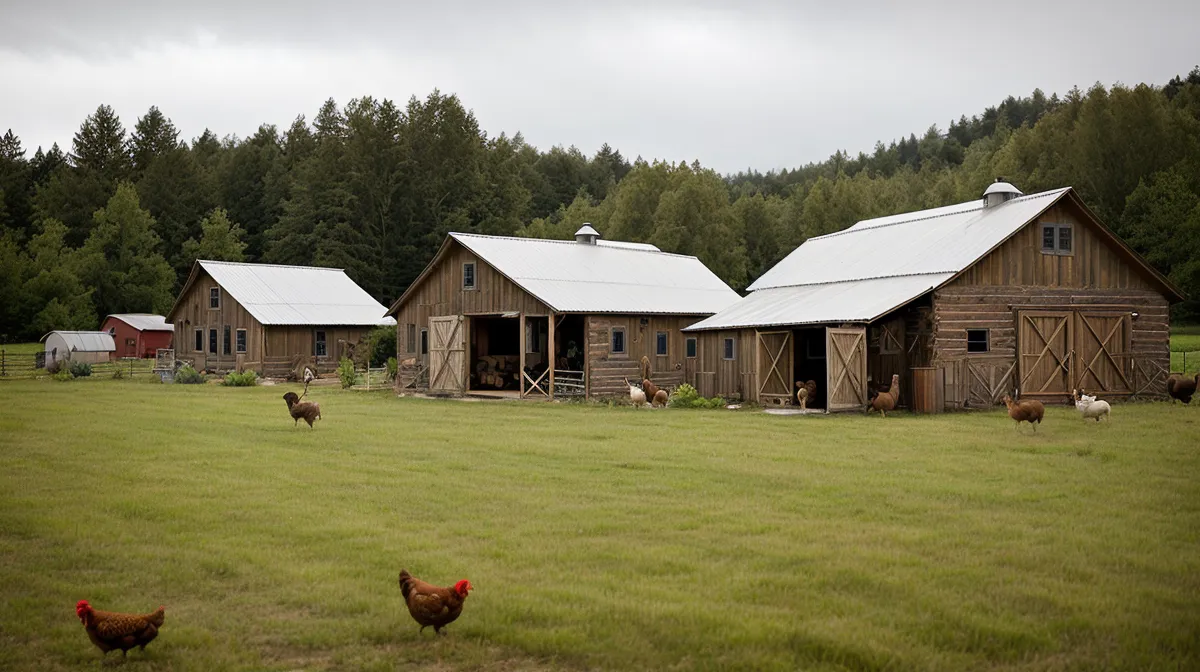
The pump cuts out mid-fill, right as I'm topping off the stock tank, and the hose goes slack while I wait to see if it kicks back on. It does, a few seconds later, with that faint iron-sweet whiff drifting off the hose bib the way it always does when the pump restarts — normally nothing, except we're deep into a dry stretch, and that little shudder before it catches is the exact feeling that sends homesteaders down a rabbit hole of drought backup plans for off-grid homestead water systems.
Quick disclosure before we get into it: there are affiliate links in this post, including one for the product we're about to pick apart. If you click through and buy something, I earn a small commission at no extra cost to you — but I only write about gear and guides we've actually tested or seriously considered here on our own five acres.
Water From Thin Air: What the Water Freedom System Actually Claims

That dry stretch is what pushed me toward the Water Freedom System, a DIY guide that promises to teach you how to build a machine that pulls drinking water straight out of humid air. Here's the short version, since you came here for an answer and not a cliffhanger: it's a real, teachable skill, but it is not a drought solution for a working homestead, and treating it as your main backup is how you end up disappointed come August. The long version is worth knowing too, because the reasoning behind that verdict matters more than the verdict itself.
Strip away the marketing and the idea comes down to basic physics you've probably seen without naming it — a cold glass sweating on a humid porch in July. The guide walks you through rigging a cooled condensation coil, usually built from a scavenged dehumidifier or small refrigeration unit, so moist air passes over it, drops its moisture, and that water gets filtered into something drinkable. It ships as an instant digital download backed by a 60-day money-back guarantee, with a printed version available too if you don't mind the extra shipping charge tacked on. None of that is smoke and mirrors — if you're reasonably comfortable wiring a simple circuit and don't mind tinkering in the barn with scavenged parts, the steps are detailed enough to actually follow.
Let me be straight about my own credentials here, which is to say I don't have any. Not an engineer, not a licensed well technician, and definitely not the person you want diagnosing a dying pump. If your well is running dry or your pump sounds like it's grinding gravel, call an actual professional before you improvise anything. Everything here comes from a homesteader who learns by taking things apart and reading manuals with a flashlight clenched between her teeth.
Does Pulling Water Out of the Air Even Work During a Drought?
Here's the catch most sales pages skip entirely: condensation rigs need actual moisture in the air to pull from. As a rough baseline, these coils need somewhere around 30% relative humidity just to produce a trickle, and that threshold is exactly what disappears during a hard summer drought across most of the dry rural West. You cannot wring water out of air that has nothing left to give — which means the one scenario where you'd most want this system working is often the one scenario where it barely functions at all.
There's a second problem layered on top of the humidity issue, and it matters even more if you're off-grid: these machines run on fans and small refrigeration compressors, and both want continuous electricity. On a property powered by solar panels and battery banks, running a miniature cooling cycle all day is a real load — exactly the kind of load you don't want competing with your well pump, your fridge, and your lights during the one stretch when everything is already stressed.
Energy Is the Real Cost, Not Just the Water
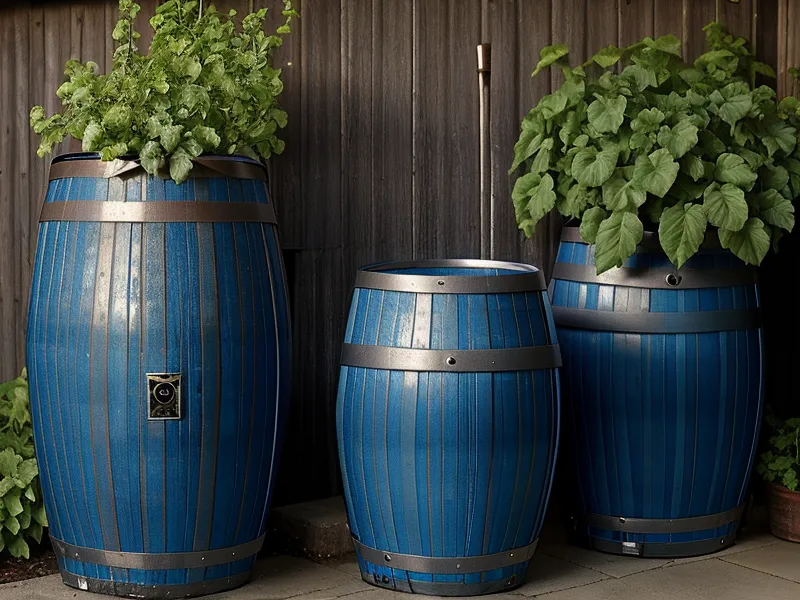
Compare that to a passive setup. A standard rain barrel holds around 55 gallons, and a bank of them linked off your gutters fills itself during a wet Oregon winter without drawing a single watt. Once that water is sitting in a barrel or a cistern, moving it to where you need it is mostly gravity, not a compressor working overtime. Spend your battery reserves on a condenser during the exact week your solar input is also down, and you've traded one shortage for a second one.
That lesson came home hard one stretch when a neighbor a couple of properties over ran his shallow well dry without noticing and burned out the submersible pump trying to force water that wasn't there. Pulling drop-pipe in blistering heat while hauling jugs from town is a special kind of miserable — I lived through a version of it myself during my first real summer of off-grid water security, and it reorganized how I think about every piece of equipment on this property. It's also around the time I panicked over a weird smell and poured bleach straight into the well casing without testing the water first, which did nothing but turn an already unpleasant tank of water into one that also smelled like a swimming pool for a week. Testing first isn't optional — it's the step that actually tells you what you're treating, instead of just guessing and hoping.
Ranking Your Real Defenses Before You Buy Anything
If I had to rank defenses for a dry spell, protecting your primary water source comes first, every time, because burning out a well pump turns a temporary dry stretch into a genuinely expensive repair, and no amount of emergency drinking water fixes that. A dry-run monitor like SmartWaterBox watches for cavitation and shuts the pump down before it destroys itself, which is the whole reason I went into detail about why I use SmartWaterBox for well pump dry run protection on its own. Passive bulk storage comes second: barrels or a cistern filled during the wet months that just sit there, ready, costing nothing in power to maintain. Emergency production, the category the Water Freedom System actually belongs in, comes third. It's a real skill worth having, just not the thing you lean on first.
Seen through that ranking, the Water Freedom System makes a lot more sense. It was never built to replace a well or a cistern network, and it will NOT irrigate a garden or keep livestock watered through a heatwave — nobody honest would claim it does. What it teaches is a genuine fallback skill for producing small amounts of drinking water if your main systems fail, and that's worth something even if it isn't everything. It's a guide bundle, not a plug-and-play appliance, and pricing on the digital download versus the printed edition shifts with whatever promotion is running, so check the vendor's page directly instead of trusting a number you read somewhere else.
The Bar I Actually Judge Our Water System By
These days the real test for me isn't a gadget spec sheet. It's whether the kitchen faucet runs clear and cold first thing, with no rust ring creeping into the sink. That's the plain, unglamorous bar a water system actually has to clear, and it has nothing to do with how clever the backup technology sounds on a sales page.
A dozen chickens kicking dirt into their waterer every few minutes will teach you fast that a laying hen needs roughly a pint of clean water a day just to stay functional in summer heat, and the dogs flattened out in the shade under the porch couldn't care less how your backup water gets made, only that it exists. So — is the Water Freedom System the best solution for an off-grid drought? No single weekend project is, and anyone telling you otherwise is selling harder than they're teaching. If you want to build out a real layered plan, read through the guide at the Water Freedom System official page and decide honestly whether your region's humidity and your own patience for tinkering make it worth the time, then make sure your well pump is protected before you spend another afternoon on anything else.