
The chicken founts were still bone dry in my hands when I heard that frantic, hollow rattle from the pumphouse, the sound that means the well is sucking air instead of water. Six months ago that sound would've sent me sprinting for the breaker panel with my heart in my throat. This time I just glanced toward the mudroom, waited a beat, and let the SmartWaterBox handle the well pump protection that keeps this whole rural living experiment from falling apart.
City water never prepared me for any of this. Growing up with a decade of apartment living in Portland, I thought water was just a thing that happened when you turned a brass handle — if it stopped, you called the building manager and complained. Out here, running five acres with two dogs and thirty opinionated hens is a different kind of rural living entirely, part geology, part electrical wiring, part gut instinct, and nothing like the tidy homestead water management checklists you find online.
The Summer I Fried Our First Well Pump

Our very first summer out here taught me things no apartment ever could, and it nearly broke us before July was even over. Back then I assumed the breaker staying on meant the well would just keep delivering water forever — no sense of static levels, no sense of how slowly an aquifer recharges when half the county is watering pasture at the same time. One afternoon I left the garden sprinkler running through two loads of laundry and a hose-down of the chicken run, and by the time I reached for the outdoor spigot, I got nothing but a sputtering hiss of air.
We won't relive the whole ugly afternoon. Just know it ended with a scorched smell clinging to my work gloves, a mechanic's bill I didn't want to add up out loud, and more than one carload of water jugs hauled back from town before the pump finally got replaced.
Why a Pitcher Filter Was Never Going to Fix This
Months before any of that, back when we'd first signed the papers on this place, I walked into the hardware store and bought a countertop pitcher filter, the kind with charcoal cartridges you swap out every so often. I told myself that would handle whatever came out of the ground, because in my head, well water problems meant taste and smell, not the supply running out entirely.
That filter did exactly nothing about the real risk. Nobody mentions dry-run protection when you're buying a pitcher filter for a sulfur smell, and it took the pump disaster to teach me that taste and supply are two completely different fights. For months afterward, we tried to work out how to measure well water depth manually with a weighted line, just to guess how much reserve we actually had left underground.
A Cutoff Switch Alone Never Solved the Restart Problem
Everyone we asked had the same answer: install a basic low-pressure cutoff switch and call it done. If pressure drops because the well's gone dry, the switch pops the circuit — simple, cheap, done. Except it wasn't done, not even close.
Here's the part that advice always skips: the danger isn't running dry once, it's the rapid-fire restart cycle right after. What are the odds a stressed aquifer refills itself in under a minute? Pretty much zero, but a basic switch doesn't know that — it lets the pump kick back on the second a few gallons pool up, drain that thin reserve, shut off, cool for a second, and try again before the water table's had any real chance to recover. It's a lot like opening the fridge every few minutes hoping the groceries somehow restocked themselves.
Installing the SmartWaterBox in Our Pumphouse
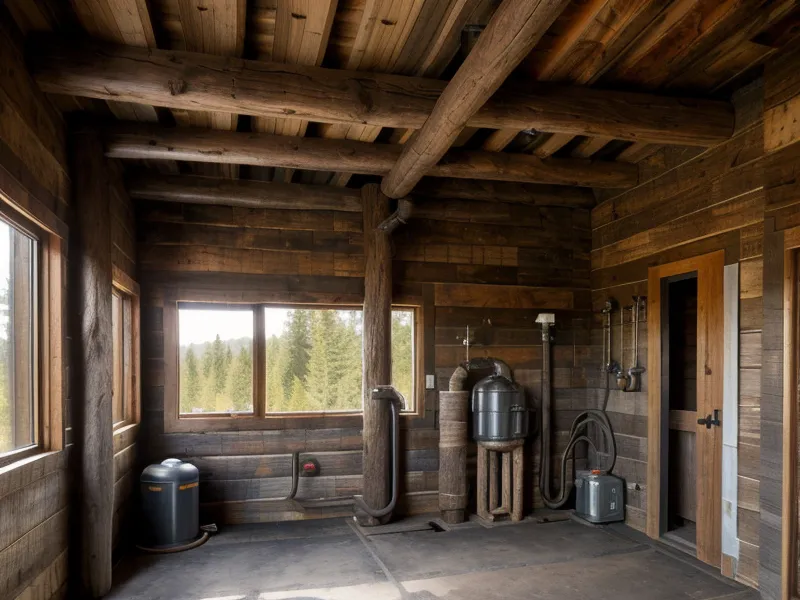
What I needed was something that caught the dry-run condition without snaking fragile sensors three hundred feet down the casing, and that also forced a real rest period before the pump could spin again. That search is what led me to the SmartWaterBox this past spring.
I'm not an electrician and have zero plumbing credentials, so anyone touching 230-volt pump wiring should call a licensed contractor rather than take tips from a homesteading blog. What sold me on this particular box was that it watches the pump's electrical draw right there on the wall instead of needing anything down the well itself, and treats a sudden change in that draw as the dry-run alarm.
Mounting it took an afternoon and a lot of swearing at the hand-drawn pipe map I'd taped above the utility sink years ago, the one with arrows showing which valve does what because neither of us could keep it straight otherwise. Ruthanne, our next-door neighbor, leaned over the fence halfway through to ask what the blinking light meant, then informed me — unprompted — that she'd been saying for years our fence posts were sinking, which had NOTHING to do with anything I was doing but she said it anyway.
Ruthanne, June, and the July Afternoon the Box Earned Its Keep
June Abernethy, a homesteader I know from the rural water co-op meetings about twenty miles south, texted me that same week asking whether this thing needed batteries, because she doesn't trust anything that needs batteries to keep working. It doesn't — it runs off the same circuit as the pump — but I love that she asks the hard question every single time I mention a new gadget.
The real test came on a scorching afternoon in July. My partner and I had to run into town for feed and fencing wire, a quick trip that was supposed to take two hours, and we'd made it halfway down the highway before I remembered I'd left the drip line running in the squash patch. On a normal day that line draws a steady trickle. During a heatwave, with recharge already crawling, it's a death sentence for a pump that isn't protected.
We raced back up the driveway bracing for the worst — a dead silent pumphouse, a melted motor, the whole nightmare. If you've ever walked out to a silent pumphouse and wondered why your well pump is clicking on and off constantly instead of running normally, you already know that specific flavor of dread.
Instead, the SmartWaterBox was sitting there with a calm amber light, already locked into its rest cycle. It had caught the dry-run the second the well dropped below the intake, cut power before anything heated up, and started a timer that wouldn't let the pump try again until the water table had a real chance to catch up — kind of like refusing to touch a budget again until payday actually arrives instead of just hoping for the best. An hour later it cleared itself and the house had pressure again, no drama, no four a.m. panic.
What Twelve Weeks of This Thing Taught Me
Twelve weeks into running the box now, and the lockout timer has tripped a handful of times, always during the driest stretches, always clearing itself before I even had to think about it. Somewhere in there I rinsed a handful of garden lettuce under the kitchen tap without thinking twice — no flinch, no rotten-egg smell cutting through the dirt smell, just water doing what it's supposed to do.
What stuck with me most isn't the gadget itself, it's the lesson underneath it: the fix that actually works is rarely the first cheap thing you try, and it's almost never about stopping a disaster after it's already started — it's about building in the pause that keeps a small problem from turning into a four-figure one. I've written before about when the well goes quiet and rural water security, and that pause is the part I keep coming back to, more than any single piece of hardware we own.