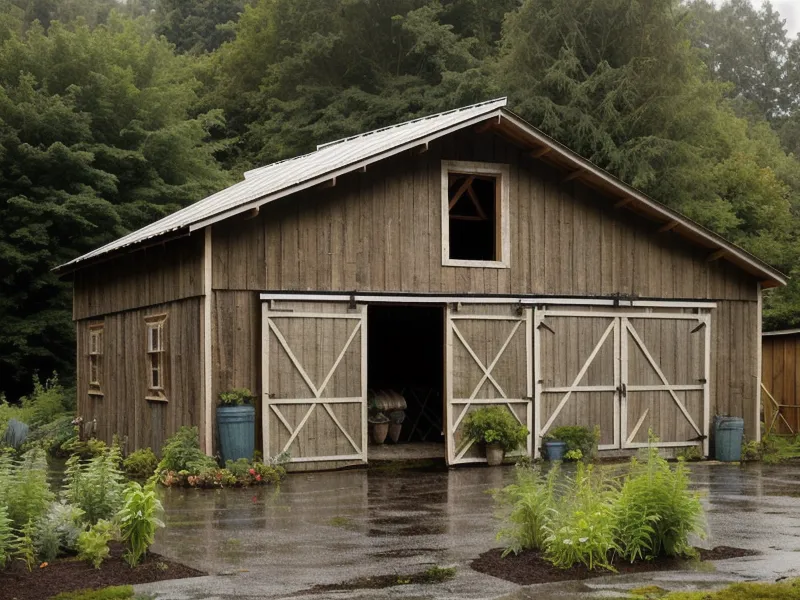
Three times a day, for most of one July, I set a phone alarm just so I'd walk out to the shed and read our well's pressure gauge by hand — an oddly specific ritual for somebody who left a Portland apartment three years ago knowing nothing about wells, water tables, or what a pressure tank even does. That's what water security looks like on a real Oregon homestead: not a calm philosophy, just checking a gauge until your thumb goes numb from worry. This is the plain version of how a DIY water system called the Water Freedom System changed that particular habit of mine — zip ties and all.
Quick disclosure before we go further: this post has affiliate links, and if you buy through one I earn a small commission at no extra cost to you. I only ever mention products we've actually put through their paces on our five acres, and I am still not a professional of any kind — just a hobby farmer who ran out of patience for hauling buckets.
Why an Oregon Drought Turns Into a Water Security Problem Fast
Once a drought gets officially declared here, domestic well use on acreage gets capped at a half-acre of non-commercial garden or lawn, which sounds generous until you remember we're sitting on five acres with a vegetable patch, a coop, and two dogs who all drink like it's a competition. The summer we ran our well pump dry chasing a lawn that had no business being green in July taught me that lesson the hard way, and I still flinch a little at any long silence from the kitchen tap. Ever wonder what that transition from city life to well ownership actually feels like on the inside? I covered the specific chaos of it in common well water problems for people moving from the city, and it walks through the panic phase better than I can summarize here.
That cap is exactly why so many of my neighbors keep a stock tank or two topped off well before June arrives — water storage capacity ends up mattering more than pump horsepower once the state starts counting your gallons. For us, the missing piece wasn't more storage, it was a second source that didn't touch the aquifer at all.
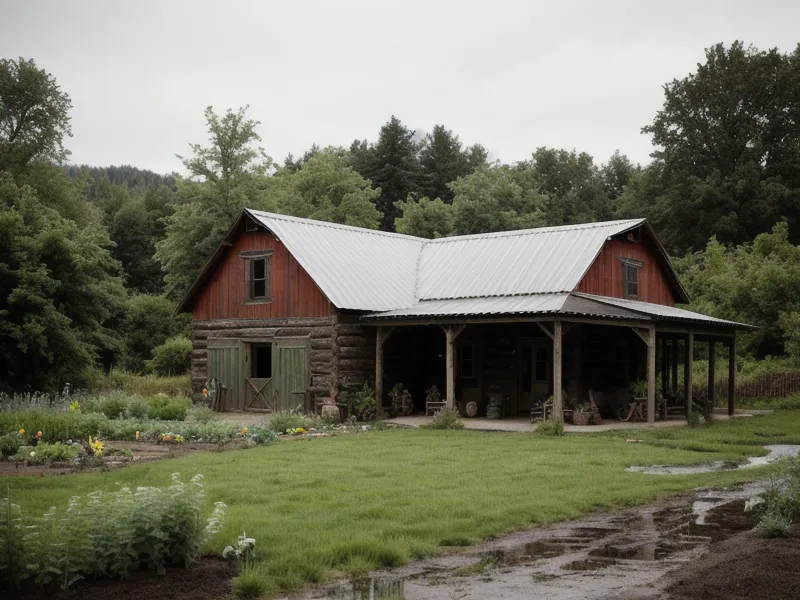
Building a Water Collector Out of Thin Air
Picture the sweat that beads up on a cold glass of tea on a hot afternoon. That's essentially the trick behind atmospheric water generation, just built on purpose instead of happening by accident. The Water Freedom System is a guide that walks you through building a device that does exactly that, cooling air below its dew point so the moisture floating in it has nowhere left to go but liquid, and it appealed to me specifically because I'm not an engineer, not particularly handy, and my rain barrels are held together with zip ties and stubbornness rather than any real skill.
Buying it felt lower-risk than most homestead gear, mostly because of what came attached — instant digital access plus a 60-day money-back guarantee, which matters when you've already bought plenty of gadgets that turned out useless within a season. I did spring for the printed edition, which added roughly $9.95 in shipping, but having an actual paper copy to reference in the shed while my hands are covered in grease beats squinting at a phone screen every single time.
Where This System Actually Struggles
Low humidity is the part that trips people up, and Oregon summers get drier than folks expect once you're east of the Coast Range or deep into a heat wave. Less moisture in the air means the unit has to run longer and harder to pull the same amount of water, and that shows up as a higher power draw if you're not paying attention to how you're running it. Nobody selling a solution likes to lead with the part where it works hardest for the least return, but that's exactly when you need it most, so it's worth going in with the honest expectation instead of the shiny one.
The water that comes out is also essentially distilled, meaning it's stripped of minerals the same way any distilled water is. Drink it as your only source long enough and you'll want to supplement those minerals back in some other way — a detail worth knowing up front rather than discovering it the hard way months later.
Do You Still Have to Check the Tank by Hand?
Not the way I used to. Before any of this, my routine was that phone alarm three times a day, reminding me to physically walk out and read the tank gauge, just so I wouldn't get blindsided again. It didn't add a single drop of water anywhere. It just turned my anxiety into a schedule instead of a random ambush, which felt like progress even though NOTHING about the actual supply had changed.
Gadgets exist for exactly this problem — remote tank-level monitoring is its own rabbit hole I won't try to cover here, and if you want something closer to plug-and-play for well security, people speak highly of the SmartWaterBox. For my particular budget and my particular stubborn streak, the manual build won out, alarms and all, at least until I trust myself enough to stop checking.
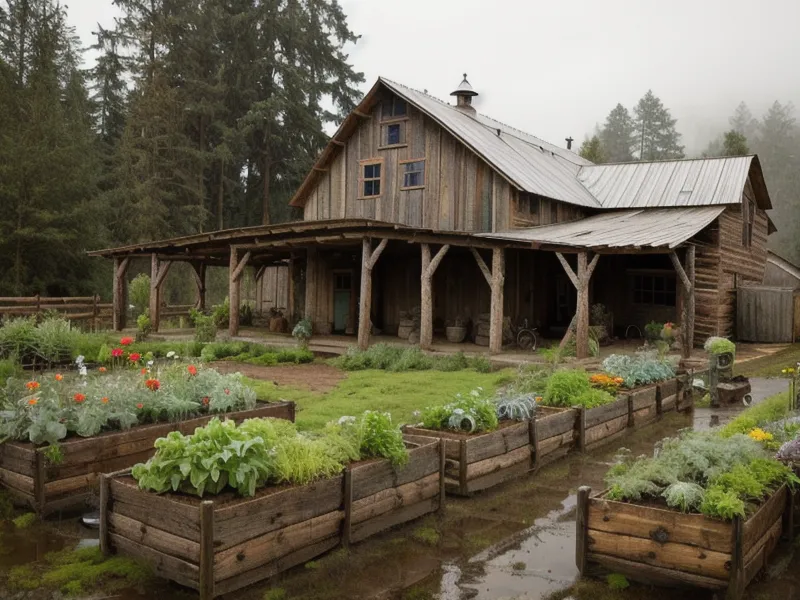
The Ordinary Morning That Actually Convinced Me
Proof showed up on an unremarkable morning, not a dramatic one. I'd just come in from checking the collection barrel, work gloves still wet, and they hit the edge of the sink with that flat, damp slap that means the chores aren't finished yet. Then I turned on the kitchen faucet at six a.m. and the water ran clear and cold with no trace of the rusty tint that used to warn me the pressure was dropping. Nothing about that moment looked impressive from the outside, which is sort of the point. The whole goal of a backup system is for ordinary mornings to stay ordinary, even mid-drought.
Our hens — a rowdy little flock of Barred Rocks who act like they own the place — do not care where the water comes from, only that it shows up, and the self-appointed boss of the coop once tried to climb straight into the collection bucket while I was filling their waterer. A friend of mine who trains for trail marathons on the Ridgeline Trail above Eugene asked me once why I don't just haul jugs the way she carries water on a long run. The difference is scale: a marathon needs a few bottles, while a coop and a vegetable garden need a steady supply for months, and that's a job for a system, not a backpack.
I still test the water itself rather than trust my eyes alone — I drove a sample to the Yamhill County OSU Extension Office that same season, since clear and cold isn't automatically the same thing as verified safe.
If you've ever run a well dry, you already know the specific dread of a pump laboring — that hollow thrum through the floor that means trouble is coming. Not hearing that sound anymore, even in the driest week of the year, is worth more to me than almost anything else this setup does. I wrote about the full trauma of that particular season in the sound of silence: managing our well after the summer we ran it dry, if you want the ugly, unedited version.
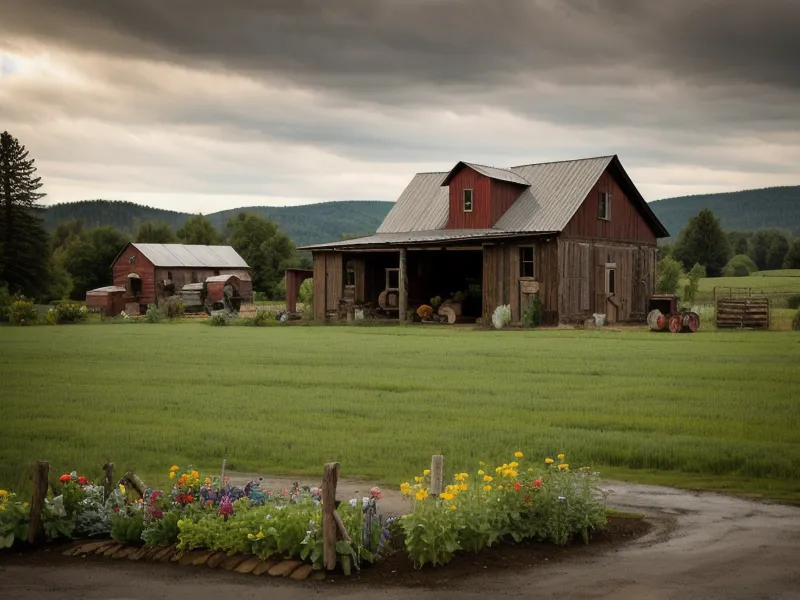
Is It Actually Worth Building?
For the garden and the birds, this is a clear yes — building it took real pressure off our well and gave me a plan B for the exact weeks when the state's cap and the dry ground line up against each other. It is not flawless, and I hit my share of frustrating build moments where nothing lined up right the first time, but a hobby-farm project doesn't need to be flawless, it just needs to work more often than it fails. I'm still not a licensed professional of any kind, so if you're planning a serious water system overhaul, loop in an actual well specialist or plumber before you commit real time and money to it.
The Water Freedom System gave me, more than the gallons themselves, a way to stop treating every dry week like an emergency — the tomatoes keep going, the chickens keep drinking, and the well finally gets a break it wouldn't otherwise get.
Check out the Water Freedom System here and start building your own drought backup.