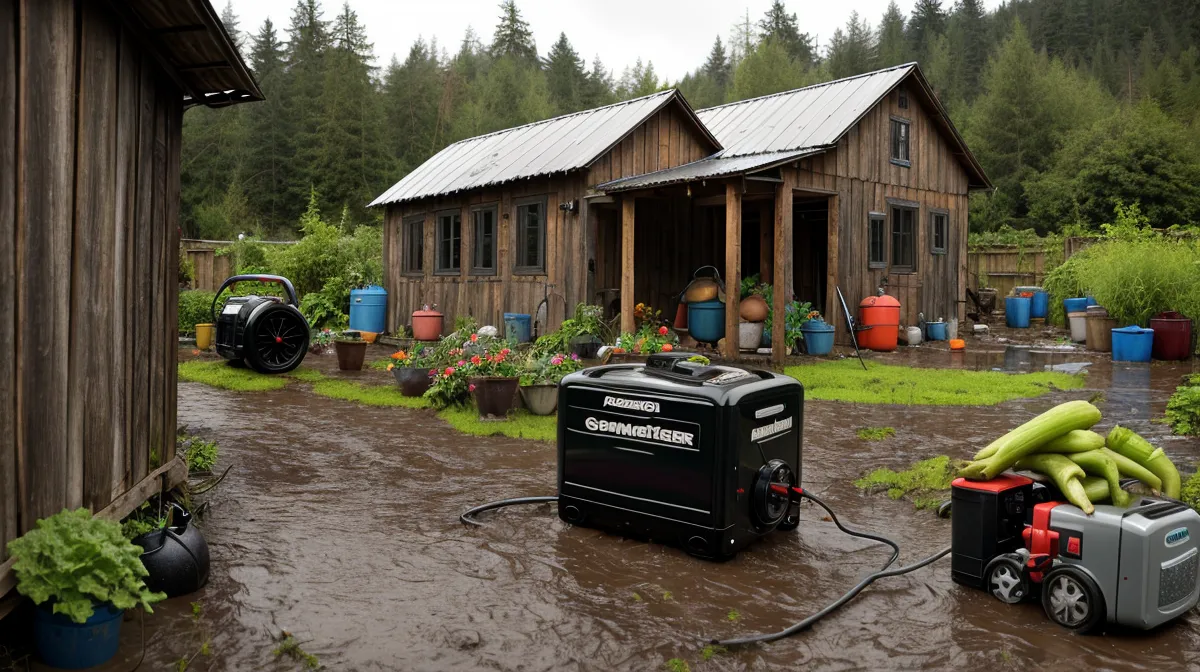
A dead grid does not care that a well pump needs 240 volts just to think about starting. That mismatch is the first thing nobody explains about emergency power on a homestead: you can own every gas can in the county and still be stuck if your generator only puts out 120. Well pump backup power isn't really about buying a generator; it's about matching amperage, startup surge, and outlet type to a motor that lives underground and doesn't forgive guesswork. This is the part of homestead water management nobody covers until they're standing in the mud with a headlamp, doing math they should have done months earlier.
I found this out the same week an ice storm dropped our power for four days straight. My chickens didn't care about volts or amps. They just wanted their waterer refilled, and they gave me that particular judgmental chicken look when it stayed empty past breakfast. That's usually where the animal problem starts before the human one does: the humans can ration, the livestock can't.
How Much Power Does a Well Pump Actually Need to Restart?
Most deep-well pumps run on 240 volts, not the 120-volt outlets that power a shop light or a phone charger. A submersible pump motor also needs a hard shove to get going, roughly three times its running wattage just for that first second of startup, before it settles down to normal draw. A generator that can technically hit 240 volts but can't deliver that surge will trip its own breaker the instant the pump tries to engage. You'll spend a very cold morning assuming the generator itself is broken when it's really just undersized.
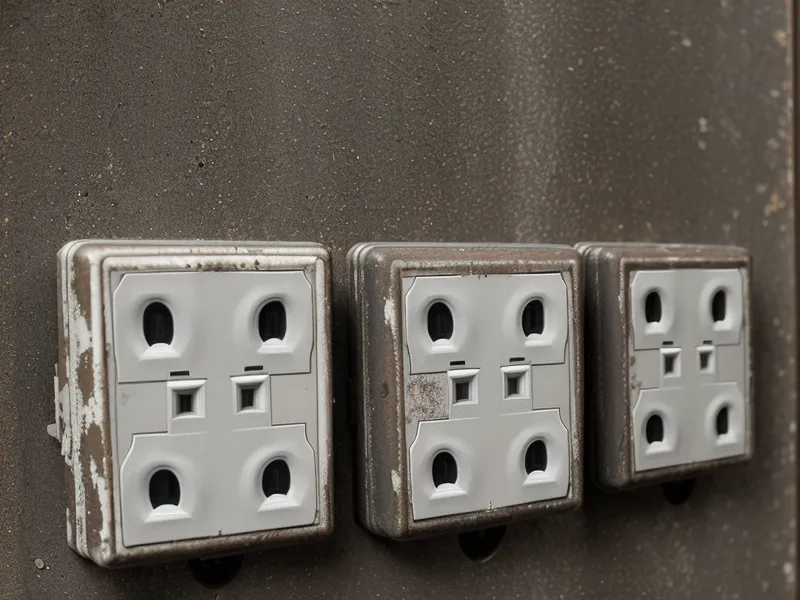
Sizing this out on paper is the boring part, but skipping it is how you end up like I did that first winter. I was proud of a portable generator bought on a good sale, only to discover in the dark that my heavy-duty extension cord didn't even fit the outlet the pump needed. Enthusiasm doesn't substitute for the right plug.
What Happens to the Water Already in the Pipes and Tank?
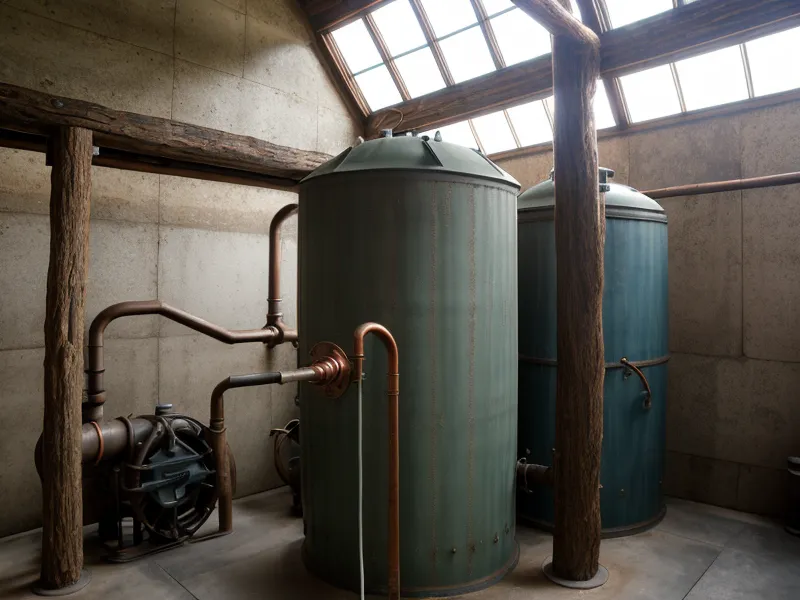
The pressure tank in your pump house isn't a reservoir full to the brim. Most of what's inside is compressed air, with only a fraction of that volume being usable water before the pump has to cycle back on. I won't get into the exact math here, since that's its own topic I've broken down elsewhere. The short version is that whatever's sitting in your pipes when the power drops is close to all you'll have until the pump runs again. I wrote more about tracking that number in why I use a reliable well water level monitoring system now, and it changed how nervous I get during a long outage.
That first morning after the outage finally ended was the real test. I turned on the kitchen tap half expecting rust or a sputter of air, and instead got water that ran clear and cold, like nothing had happened at all. That's the actual goal of all this backup power planning: not some elaborate system, just a boring, ordinary glass of water when you turn the handle.
Extension Cords Don't Cut It: Why a Transfer Switch Matters
A manual transfer switch is a dedicated sub-panel that lets you switch the well pump, and maybe the fridge and a few lights, from grid power to generator power without anything touching both at once. Skipping this step isn't just inconvenient, it's dangerous. A generator wired straight into your house wiring without a transfer switch can "backfeed" power out onto the utility lines, which can seriously injure a line worker trying to restore service during the same storm that knocked your power out in the first place.
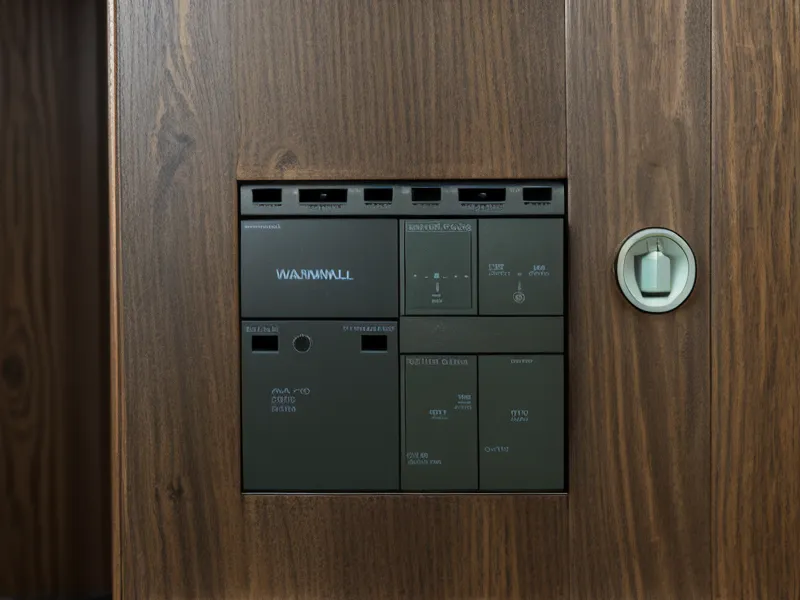
Ours uses a 30-amp outlet that matches the big twist-lock cord on a mid-sized portable generator. Getting it installed meant no more cords threaded through a cracked window, just one heavy cable connecting the generator straight to the panel. Backup power for a well pump isn't glamorous work, and I'll say this plainly: hire a licensed electrician for this part. A breaker box is not the place to improvise.
The Backup Plan That Wasn't: My 55-Gallon Drum Mistake
Before I understood any of the electrical side, I thought I'd solved emergency power the cheap way. I stashed a single 55-gallon drum of water in the barn and called it a backup plan. It sat there through more than one winter feeling like insurance. Then the ice storm hit, the power stayed out for days, and I realized a locked, undated barrel sitting in the corner isn't resilience; it's just a container. It didn't refill itself, it didn't treat itself, and once it was gone I was right back to hauling melted snow to the toilets. A single static drum isn't a system; it's a countdown with extra steps.
That same week, the generator decided to be difficult too. The carburetor was gummed up from sitting too long, and I was too tired and too cold to diagnose it myself. My neighbor Ruthanne can pick out a stuck carburetor by smell before she's even crossed the yard, and within a few minutes of her poking around, we had it running again. Some backup systems aren't mechanical at all. Sometimes it's just knowing someone who's dealt with rural equipment longer than you have.
Building Real Homestead Water Management Redundancy
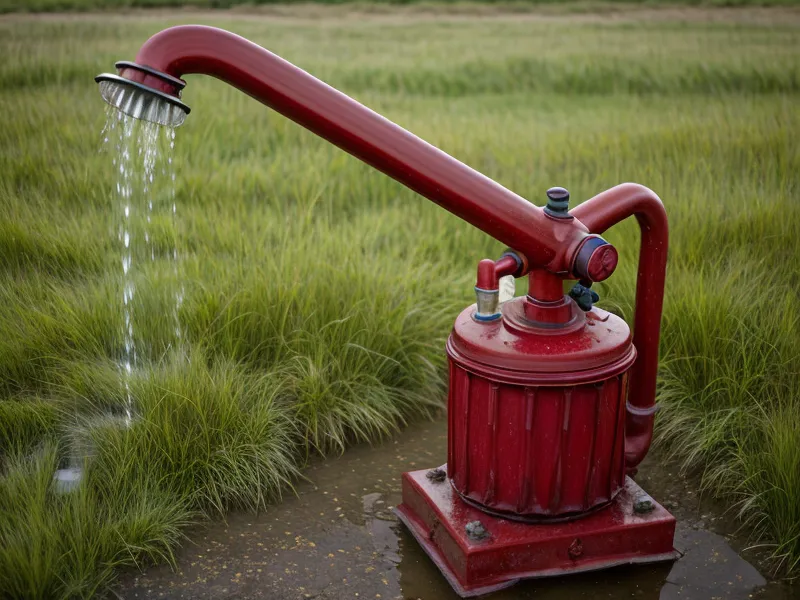
Once the generator was sorted, I still didn't love having exactly one point of failure between me and running water. So we installed a second, manual hand pump right alongside the electric one in the same well casing. It's slow, it's a workout, and it does not care about voltage, startup surge, or whether the grid exists at all. You just work the handle and water comes up. Ours came from a fairly ordinary trip to Coastal Farm & Ranch in McMinnville, not some specialty off-grid catalog, which honestly surprised me at the time.
Some homesteaders solve the power-independence question differently, with solar-charged battery banks that run the pump without a generator at all. That's a whole separate project I haven't tackled here. Cold weather adds its own tax regardless of which route you pick: anything exposed between the well and the house needs real freeze protection, not just good intentions, or you'll be troubleshooting two problems at once. If you're worried about the animals specifically rather than just the house, I covered that separately in watering the menagerie and keeping farm animals hydrated during exactly this kind of outage.
Which Emergency Power Setup Should You Actually Build?
My friend June, whose water setup I still study when I want to see what doing this right for years actually looks like, asked me straight out after her own outage: generator, hand pump, or both? My honest answer is both, in that order of urgency. Get the generator and transfer switch sized correctly first, because that solves the vast majority of outages without you ever lifting a hand pump handle. Then add the manual pump as the version that works even when the generator won't start, the gas runs out, or the carburetor gums up at the worst possible time.
If you take one thing from all this, check your pump's voltage before you buy anything. If it's 240 volts, your generator and your plan need to match that, with surge capacity to spare. Keep a backup to the backup that doesn't need a spark at all, too, because the day the power finally comes back on, you want the story to be boring. Just a chicken waterer that never went empty, and a tap that ran clear.