
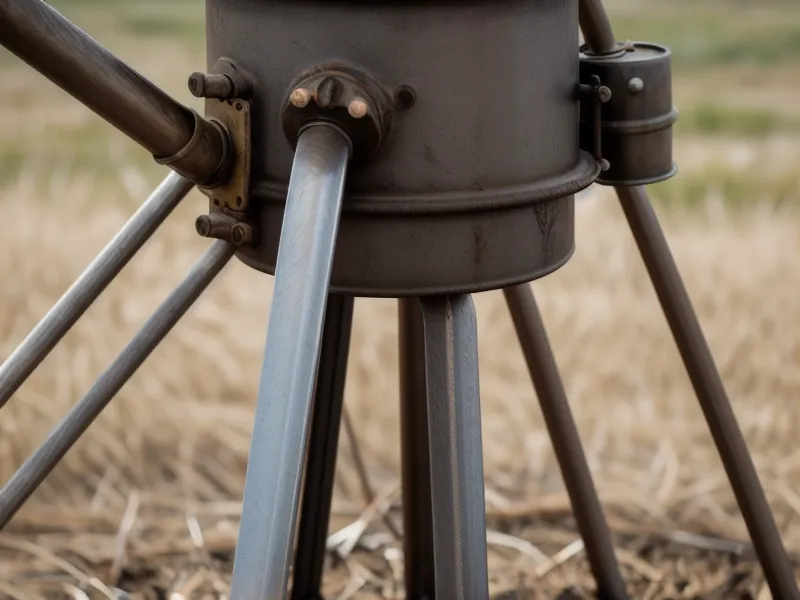
Our well casing is six inches of gray steel behind the barn, and staring at it has never told me one useful thing. That took an embarrassingly long time to sink in. For most of my time on this five-acre hobby farm in the Douglas County foothills, well water management meant guesswork and dread — a shaky foundation for water security before off-grid monitoring was even on my radar. This is the comparison I wish someone had handed me before that summer: watching a well by gut feeling against watching it with real data, and exactly what changes once you stop doing the first one.
Quick disclosure before I go any further: a couple of links below are affiliate links, including the well monitor I'm about to compare against the old guesswork method. Buy through them and I earn a small commission at no cost to you — I only mention gear that's earned a permanent spot near the pump house, which around here is rare.
What the Six-Inch Casing Won't Tell You
For two years my only real system was walking out to that casing and hoping it looked different. It never did. Steel doesn't change color when the aquifer underneath it is having a bad week. A trip to the Yamhill County OSU Extension Office for a water-testing workshop finally connected me with our property's well log, and it turns out the state has been keeping these records since 1955. Reading it felt like finding an old photograph of the land — interesting, occasionally useful, and completely unable to tell me what was happening under my boots this year.
Rain barrels get pitched online as the low-effort backup, but out here, between aggressive evaporation and stretches that can run sixty days without rain, a passive barrel setup is often empty exactly when you need it. If you want real water security, you have to treat your well like a bank account instead of a rain gauge.
Setting the Alarms vs. Setting the Sensor
My first real attempt at fixing this wasn't glamorous. For about a year, my monitoring system was three phone alarms a day, each one a reminder to walk out and check the tank level by hand. It worked exactly as well as you'd expect from a system that depends on me being awake, home, and not elbow-deep in chicken feed when the alarm goes off. I missed checks constantly, and worse, hand-checks only ever gave me one data point at a time — never a trend, never a warning that something was heading in the wrong direction before it arrived.
Eventually I gave in and installed the SmartWaterBox, mostly out of exhaustion with my own alarm system. Setting it up meant a lot of standing near the well head with a wiring diagram in hand, more nervous than the job actually called for. It doesn't require an engineering degree, which was a relief, and once it was running I could see a level reading on my phone instead of guessing between alarms. For anyone comparing options before committing to one, there's a rundown of other reliable well water level monitoring system choices worth a look, since the sensor route isn't the only one and it won't fit every setup.
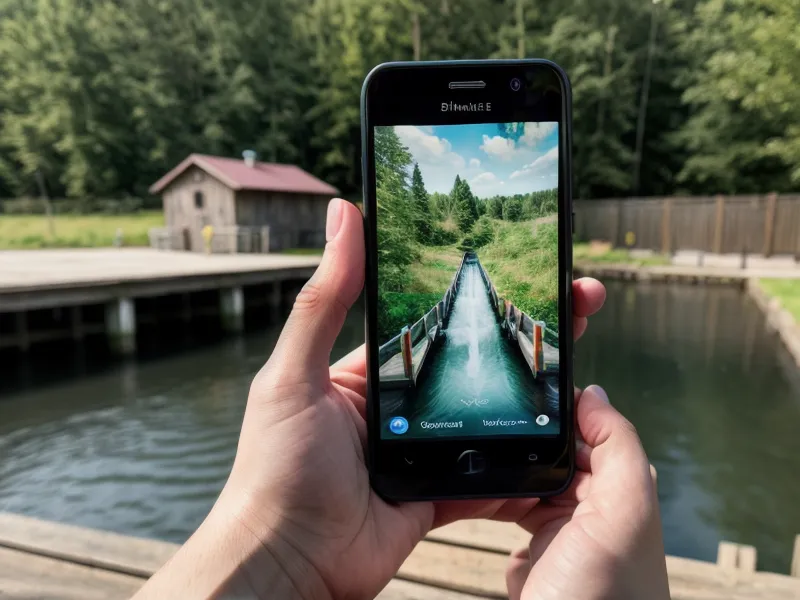
None of this replaces understanding how your pressure tank fits into the system, and it won't hand you an exact well recovery rate the way a driller's test would. What it gives you instead is a trend line — proof, day over day, of whether your well is keeping up or falling behind, which is a very different kind of information than a single reading ever could be.
Which One Catches Trouble First?
The clearest test came during a stretch of hundred-degree days, when the garden was thirsty, the dogs wouldn't leave the shade of the tractor, and the chickens were drinking like they were training for something. The sensor showed the water level dipping deeper each time the pump ran, well before the tap would have given me any warning. Hand-checks would have caught that eventually — probably after the pump started gasping, which is NOT when you want to find out. Splitting the irrigation into two shorter runs, one before sunrise and one after dusk, gave the well room to recover between cycles, and I only knew to try it because I could actually see the pattern instead of guessing at it.

Heat waves also taught me that the daily water requirements for my chickens aren't as small as I assumed, and on the worst days they pulled more from our system than the vegetable beds did. A friend of mine, who trains for trail marathons on the Ridgeline Trail above Eugene, thinks checking a water app before coffee is a strange way to start a morning — she's probably right, but she's also never had a flock stage a mutiny over an empty waterer.
Choosing Real Water Security Over Guesswork
Manual checks aren't worthless. If your household use is small, your well is shallow, and losing a little sleep over the occasional surprise doesn't bother you, walking out to the casing now and then might genuinely be enough. But irrigation, livestock, or a well whose behavior you don't fully trust changes the math fast — at that point, a real monitor stops being a gadget and starts being the thing standing between you and an actual emergency.
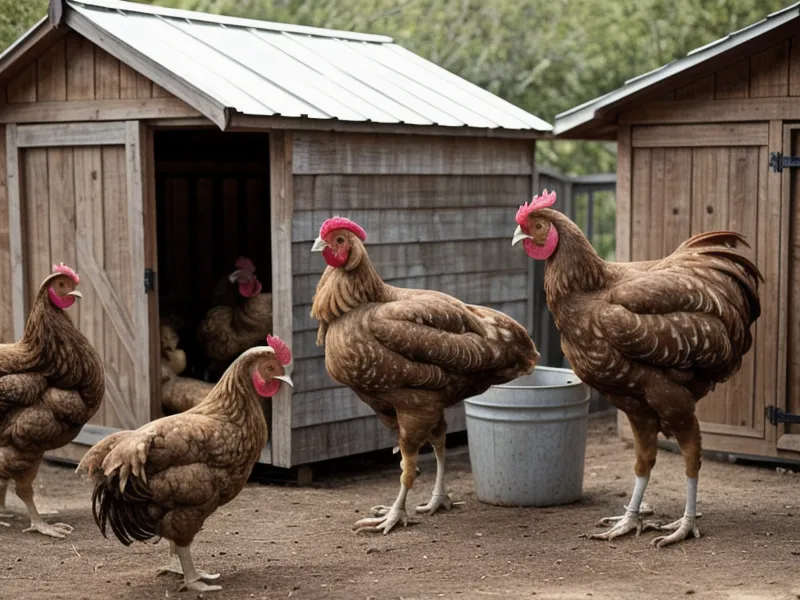
Proof of that showed up on one of the colder stretches this past winter, mud pulling at my boot laces the whole walk down to the well head, when the chicken waterer stayed full the whole day without me hauling a bucket out to top it off by hand — the first time that had happened since the cold set in. Winter brings its own separate puzzle, since keeping lines from freezing has nothing to do with tank monitoring and everything to do with insulation and timing. The same goes for how much water you can actually store, or whether your pump depends on the grid staying up — real questions, but different ones, with their own fixes.
If you're the type who wants to stop guessing before a bad week forces the issue, the SmartWaterBox is what moved me off the alarm system and onto something closer to actual knowledge. It's not the only option out there, and it won't fix your pressure tank or your pipes, but for the specific job of knowing what your well is doing before your tap tells you the hard way, checking out the SmartWaterBox is a reasonable place to start.
The tomatoes are still getting raided by the same three hens every single evening, so I haven't solved everything about rural living around here. But the water side finally feels less like a gamble and more like something I actually manage, which is most of what water security ever really meant in the first place.