
One hundred and forty feet is the exact distance between our back door and the well head, down a gravel path that turns to soup every November, and it is precisely how far I sprinted in soaked wool socks the night every pipe on this Oregon property decided to turn into a popsicle.
No water came out of the bathroom tap. No gurgle, no hiss, nothing — just the faint metallic clack-clack of the pressure switch out in the crawlspace, trying its hardest to push water through a line that had frozen solid overnight.
Winterizing a well-water homestead sounds simple until you've lived through a failure like that one. When we first left our apartment in Portland for this patch of Douglas County mud, I assumed cold weather meant buying insulated boots and tossing extra straw at the chickens. That assumption cost us a whole day of hauling snow inside just to flush the toilets.
The Winterizing Myth That Cost Us a Whole Day of Hauling Snow
Here's the myth nearly every new rural transplant believes: winterizing your water system is basically the same as winterizing yourself, so bundle up and you're fine. It isn't close to true. Frost lines in our part of Oregon typically sit twelve to eighteen inches deep, and anything shallower than that is fair game for a hard freeze. Nobody told me that my first winter, so I duct-taped a pool noodle to the pump house and called it protection.
Ruthanne from next door took one look at that sagging, gravel-frozen pool noodle and said something so blunt I can't repeat it on a homesteading blog. She wasn't wrong. That failure is what forced me to build what I now call my Lazy Winterizing Checklist — not fancy, not engineered, held together mostly by zip ties and a refusal to pay for another emergency plumber. None of this replaces a licensed professional for actual electrical or plumbing work; I'm just someone who has thawed a pressure tank with a hair dryer more times than I'd like to admit.
Plumbing Costs: When You Can Handle It Yourself
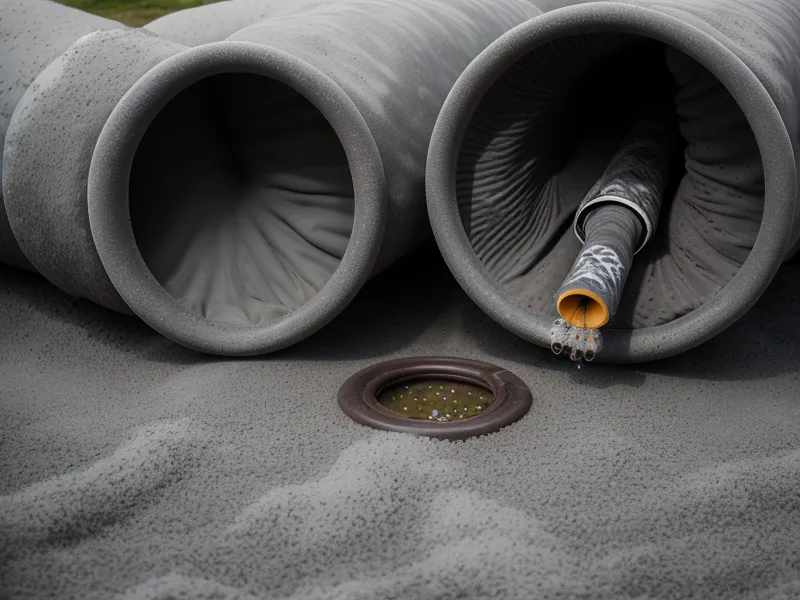
Short answer: usually not. A few seasons back I did the math on the forty-five feet of pipe most exposed on our property — the section at the well head, the run under the crawlspace, and the line to the coop. Grey foam pipe sleeves from the local farm store run about four dollars for a six-foot section, and eight sections came to thirty-two dollars total.
Compare that to the three-hundred-fifty-dollar emergency call-out fee most plumbers around here charge on a holiday or a sideways-snowing afternoon, and the math does itself. Zip ties hold those sleeves in place better than duct tape ever did, since duct tape loses its grip the second it gets wet and cold. Heat tape goes on the main riser too, though I'm paranoid about it — a neighbor warned me early on that overlapping heat tape on itself is a real fire hazard, so I wrap it like a candy cane instead, even and non-overlapping.
In the bathroom farthest from the well, a pencil-thin drip runs all winter, because moving water resists freezing far better than still water sitting in a pipe. It nudges the septic tank a little, sure, but that's a small price next to a burst line — water expands roughly nine percent as it turns to ice, and that's more than enough pressure to split copper like glass. None of this is glamorous. All of it works.
Stop Disconnecting the Coop Line Every Time It Frosts
Chickens get blamed for a lot of things around here, but freezing pipes usually isn't their fault, even though I used to treat the coop line like fragile china the second the forecast dipped below twenty-five degrees. My old habit was disconnecting that line completely and hauling water out by hand, bucket after cold bucket, dogs trailing behind me like confused, furry supervisors.
This year the line stayed hooked up, wrapped and sleeved the same way as everything else, and something small but enormous happened: the hens drank straight from the waterer all day, every single day, without one hand-filled bucket — the first time that's happened in a full winter since we moved out here. Turns out the myth that every exposed animal line MUST be shut off during a freeze only holds if the line isn't protected properly in the first place. Do the sleeve-and-tape work once, and you get your mornings back.
I've written more about keeping chicken water from freezing without babysitting the coop all day, if thirsty hens are your particular circle of homestead hell.
When More Insulation Can Backfire
Every Pinterest homestead account will tell you to wrap outdoor pipes in as much insulation as you can find. That advice is backwards, and it's the biggest myth on this entire list. Insulation doesn't create heat — it only slows down heat that's already there, and the ground under our feet stays close to fifty degrees through most freezes because of the geothermal gradient.
Wrap a pipe coming out of that ground in three inches of thick fiberglass, and you can end up blocking the very warmth that was protecting it, while cold air finds its way in from the top anyway. The fix that's actually worked for us is thin foam sleeves in the crawlspace, letting a little of the house's own warmth reach the pipe instead of sealing it away from every heat source at once. The rule, if you want one: sleeve lightly near the ground, and save the heavy wrapping for pipe that's fully exposed to open air.
The Night the Sleeping Bag Saved the Pressure Tank
An ice storm earlier this year turned our driveway into a skating rink and started flickering the power, which is the exact combination that keeps me up at night. Losing power means losing the heat tape, and our uninsulated pump house turns the pressure tank into a sitting target. Grabbing an old camping sleeping bag, I draped the whole tank in it and cinched it down with more zip ties.
Standing there in freezing rain hugging a propane-tank-shaped mummy bag, I watched the pressure gauge needle tremble at thirty-eight pounds per square inch before it dipped right at sunrise, and for a second I thought we'd lost the fight. We hadn't. Six hours without power, and the tank held. The dogs refused to set a single paw past the porch until the ice had shrunk back to ordinary puddles, which honestly felt like the smartest decision made on this property all week.
I still don't own one of those fancy tank monitors that pings your phone the second a level drops. Instead, I was out there with a flashlight, reading a gauge by hand like it's 1995. And I've learned the hard way that our well's recovery rate isn't fast enough to shrug off long outages, which is a big part of why that tank needed the sleeping bag treatment in the first place.
What a Frozen Pipe Does to Your Well Water After It Thaws
Nobody warns you about the part that happens after the ice melts. A freeze-thaw cycle can knock loose years of mineral buildup and sediment sitting in the pipe, especially with hard water like ours. A couple of months after a minor freeze, our kitchen faucet was barely trickling even though the pump ran fine, and the aerator turned out to be packed with tiny brown grit.
Years ago I bought a countertop pitcher filter and convinced myself it would handle whatever the well decided to throw at us. It did not, not even close, once the sediment started moving after that freeze. Filters like that are built for treated city tap water, not for a well line that just got rattled loose from the inside.
My friend June, a fellow homesteader I know through our local water co-op, never lets me forget to check mine — she'll text me her own test results before I've even asked how her place fared. If you notice weird pressure or an odd taste after a cold snap, it's worth testing your well water without hiring a professional lab, just to rule out anything that got stirred up in the casing.
The sediment side of things turned into its own project because our washing machine kept struggling after every freeze-thaw cycle, which is what pushed me toward learning about the best sediment filter for well water to protect a washing machine. We still run the UV unit after heavy rain to handle bacteria, though that's a separate fight from grit and scale entirely. I haven't had to shock the well with bleach this year, which is its own small relief, since that's a job I don't take lightly.
The Real Lazy Winterizing Rule
By the time the January thaw rolled through, none of this felt like panic anymore. That clack-clack from the pressure switch wasn't a distress signal this time, it was just the system doing its job. Even the three blue rain barrels stacked under the porch eave, my very first rainwater-collection project, made it through the ice fine, since gravity-fed lines don't care about power outages the way a pump does.
You don't need a five-thousand-dollar heated enclosure to get through an Oregon winter with your well intact. Start with cheap foam sleeves, a bag of zip ties, and an old sleeping bag for emergencies. Homesteading DIY was never about having the perfect setup — it's about being the person who solves the problem when there's no landlord left to call. Stay warm, keep something dripping, and remember that lazy and effective aren't opposites.