
Our well pump makes one very specific sound right before a homestead water system starts losing the fight with a dry aquifer: a thin, rising whine that never shows up during a normal cycle.
Before anything else: some of the links below are affiliate links, and if you buy through one I earn a small commission at no extra cost to you. I only write about gear and guides we've actually hauled, cursed at, and used ourselves out here — that part never changes.
That whine means one thing on a homestead water setup: the aquifer isn't recharging fast enough to cover a dry stretch. Late-summer drought in western Oregon catches a lot of transplants off guard. The rain shuts off for months, the pasture goes from green to straw, and every gallon has to be accounted for. Off-grid living sounds romantic right up until a well starts rationing itself, and a DIY water backup stops being a hobby project and becomes the thing standing between your garden and a total loss.
Why Having the Right to Water Doesn't Mean You Have It
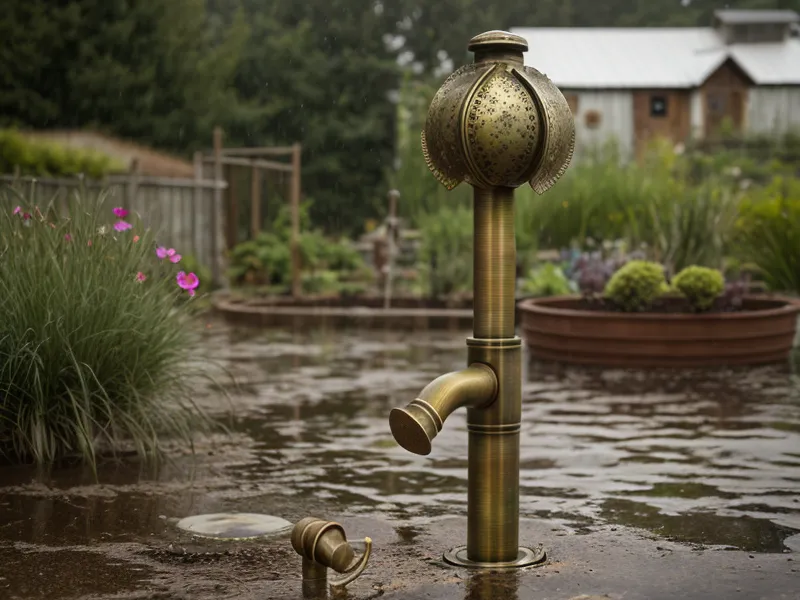
Oregon's exempt-well rules let us water a modest garden without filing extra paperwork — which sounds like a win until you remember that having the legal right to water something means nothing if the ground underneath can't back it up.
Twenty laying hens and two big dogs drink a lot more once the heat climbs, and that adds up fast against a well that's already stretched thin. A friend of mine who trains for trail marathons on the Ridgeline Trail above Eugene mentioned the creek crossings she normally splashes through were bone dry by midsummer. It wasn't just our five acres feeling it.
If you've been following along, I wrote before about Best Ways to Prevent Well Pump Overheating During a Dry Summer, and about the scramble that followed in When the Well Runs Low: My Search for Backup Water Solutions After Three Years in Rural Oregon. This time around, I wanted something that didn't depend on cloudbursts or whatever mood the aquifer was in that week.
Why Dew Nets and Fog Catchers Don't Work in a Rain-Shadow Pocket
Standard advice for off-grid water independence points you toward condensation mesh or a basic dew collector, and that's decent advice if you live somewhere with heavy coastal fog rolling in every morning.
Our part of rural Oregon doesn't get that kind of humidity. Daytime air can drop into the teens during a heatwave, and a passive net just can't hold onto moisture long enough to matter.
That's what sent me looking at the Water Freedom System — a blueprint for a small atmospheric generator built from hardware-store parts, using active airflow and a cold surface instead of hoping the night air cooperates.
Building a DIY Atmospheric Rig Without an Engineering Degree
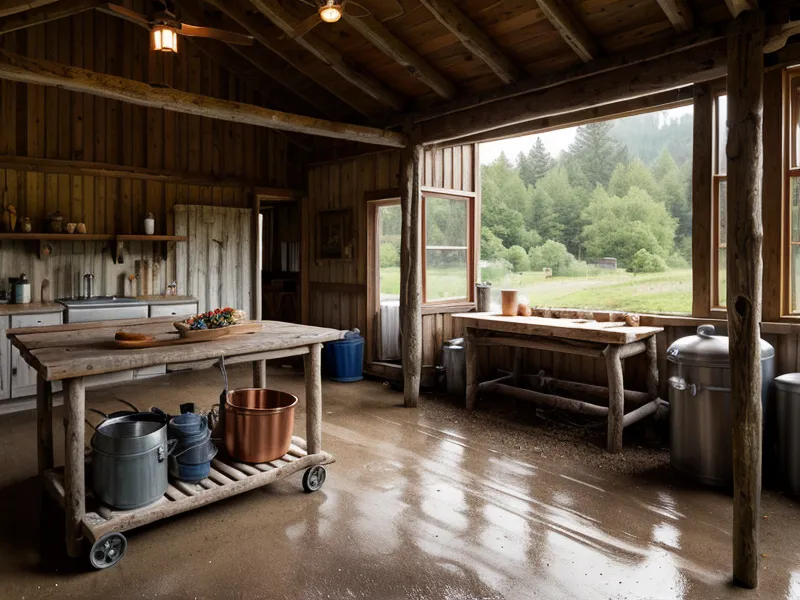
Nobody needs an engineering background for the actual build. Pull air across a chilled surface, catch what condenses, run it through a filter stage, and you've got water without putting extra strain on the well pump.
The guide itself ships as a digital instructional bundle rather than a plug-and-play machine in a crate — the printed edition adds $9.95 shipping if you want paper in hand, though the instant download was what I needed with a garden actively dying in the yard. The parts list is ordinary: small fan assemblies, copper tubing, condenser components, and basic plumbing couplings, most of it available at any farm supply or hardware store.
Before we built any of this, my actual plan was dumber: set three phone alarms a day and walk down to physically check the tank level myself. That held up for about two weeks. Mornings got busy, hens needed letting out, and twice I just plain forgot until the gauge told its own story anyway. Checking manually only tells you what already happened to the water — it does nothing to fix the supply itself.
Testing the Rig Through a Mid-August Drought Heatwave
The real test came during a brutal mid-August stretch, with temperatures spiking past ninety degrees for four days straight and the grass across our five acres going from dull gold to crunching brown underfoot. Neighbors up the ridge were hauling tote after tote in truck beds because their shallow wells had gone quiet.
Meanwhile, the atmospheric rig kept humming along behind the toolshed the whole time, producing a steady few gallons of clean water every single day. Not enough to run a sprinkler over open pasture, but enough to cover drinking water for the hens, keep the dogs hydrated without touching the household tap, and give the tomato roots a deep drink when they needed it most.
The clearest proof it was working wasn't a number on a gauge at all. It was watching the dogs drink straight from their bowl without that hesitant sniff-and-step-back they usually do whenever our well water gets that faint mineral edge to it.
You start to recognize your own system by sound after enough dry summers. The click-and-thud of the pressure tank's check valve seating back down after a long pull is the sign that the well finally got a break instead of grinding through another cycle. We didn't burn out the pump, we didn't call a water-hauling truck, and we didn't lose the harvest.
The Honest Pros, Cons, and the Filtration Catch
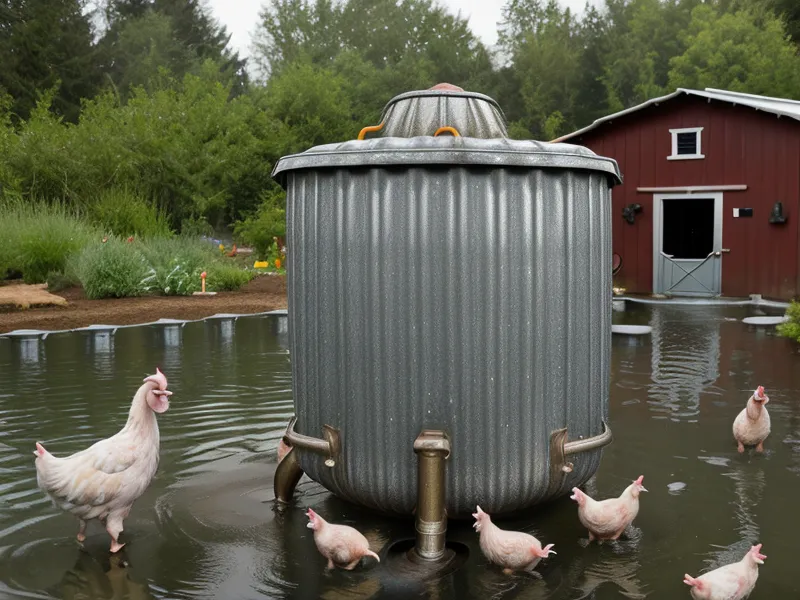
If you're sizing up your own atmospheric backup using the Water Freedom System blueprints, here's the honest rundown after running one through a full scorching season.
It kills the well-recharge anxiety, because having a water source that isn't tied to the aquifer removes that tight feeling in your chest during drought weeks. It's also backed by a 60-day money-back guarantee with instant digital access, so there's time to look over the plans before committing a weekend to copper tubing.
One real catch: this is a construction manual, not an appliance you unbox and plug in. You source your own parts, cut your own pipe, and troubleshoot your own fittings — get sloppy with a seal and you'll be mopping up gray runoff instead of collecting anything useful. Pricing and bundle options shift on the vendor's page from time to time, so it's worth checking current terms directly instead of trusting an old screenshot.
Condensed atmospheric water starts out close to distilled, but pulling air through an intake fan drags in dust, pollen, and whatever spores happen to be floating around that week, so it has to run through a sediment and carbon filter stage before anyone drinks it — the same logic behind running our kitchen water through Why a Reverse Osmosis System for Well Water Changed Our Kitchen Life. When I wanted an actual read on what was coming out of the collection pan, I drove out to the Yamhill County OSU Extension Office, since they can point you toward real water-testing options instead of guessing based on how a glass looks in the light.
None of this makes me a hydrologist, a licensed well contractor, or anything close. I'm just someone with dirty boots and a stubborn streak. If you suspect your own well or water quality is actually compromised, a licensed well technician or your local environmental health office is who you call, not a homesteading blog.
Do You Still Need This If You Already Have a Well?
Having a well doesn't mean you're covered — recharge rates swing with the season, and a dry stretch exposes that fast, which is the whole argument for a second, unrelated water source instead of one single point of failure. Some people solve the monitoring piece with a remote tank sensor so they're not constantly walking out to check a gauge by hand; we solved it with a rig that doesn't depend on the well at all.
Rural life strips away a lot of city assumptions fast. In an apartment, water belongs to the utility company; on five acres, it belongs entirely to you, and nobody is coming to fix the faucet when it starts spitting sand. If your rain barrels sit empty every dry season and you want a backup water plan you can actually build with your own hands, the Water Freedom System is worth a look. It cost some sweat, a bruised ego, and a few wasted fittings, but having water that didn't depend on the aquifer made the difference when the heat really bore down on this patch of Oregon.